Seasonal City Overview
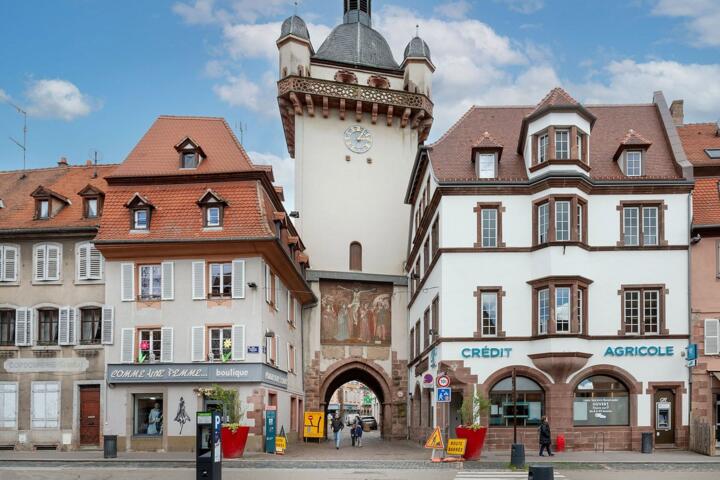
Seasonal variation refers to the visual and environmental changes cities undergo due to differing weather and climate conditions throughout the year. These differences can shift the urban scenery from snow-white winters to lush green summers, impacting aesthetics, tourism, and local culture.
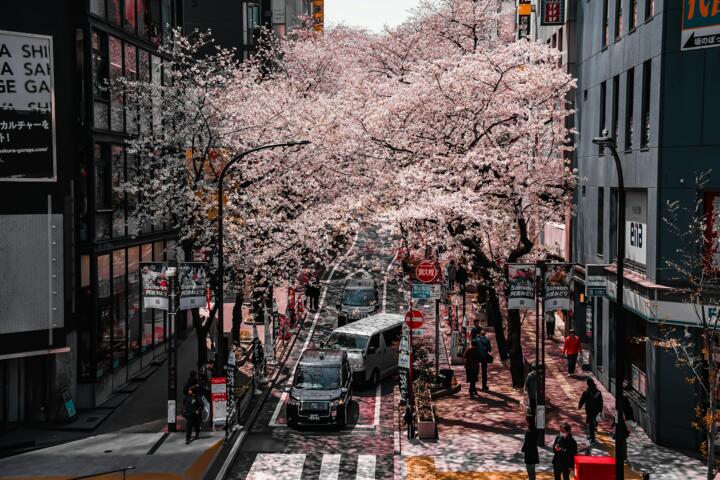
For example, Kyoto, Japan, renowned for its cherry blossoms in spring, transforms into a fiery palette of red and orange leaves in autumn. Similarly, Quebec City, Canada, showcases a winter wonderland with extensive snowfall contrasting sharply with vibrant summer festivals and green spaces.
According to the World Tourism Organization, destinations with significant seasonal variation can see up to a 30% increase in tourism during peak seasonal events like cherry blossom periods or winter festivals.
City Management Issues
Overplanning for Single-Season Appeal
Many cities overly focus on attractions tied to one season, such as ski resorts in winter or beach tourism in summer. This narrow focus causes missed opportunities to diversify and maintain tourist inflows year-round.
Infrastructure Strain and Maintenance
Severe conditions like heavy snow or intense rainfall challenge transportation and public services. For example, New York City spends over $360 million annually on snow removal and winter infrastructure upkeep, underscoring the high costs and logistics involved.
Erosion of Local Economy in Off-Peak Seasons
Businesses often face a sharp drop in customers outside peak seasons, causing job losses and reduced economic activity. This seasonal rhythm creates instability for service providers and employees reliant on tourism.
Environmental Impacts
Frequent seasonal shifts strain urban ecosystems. Trees shedding leaves or sudden snowfall influence urban wildlife and can contribute to pollution spikes due to increased heating emissions or road salt usage.
Adaptation Strategies
Diversified Seasonal Programming
Cities should invest in year-round cultural and recreational events. For example, Portland, Oregon, hosts extensive fall foliage festivals but supplements this with winter craft fairs and summer food cart gatherings, balancing tourist appeal throughout the year.
Why It Works: Diverse events attract a broader visitor base and stabilize local economies.
Implementation: Collaboration with local businesses to create event calendars supported by city marketing offices.
Resilient Infrastructure Investment
Using adaptive technologies such as heated sidewalks in Minneapolis or enhanced drainage systems in London improves public safety and usability in variable seasons.
Why It Works: Minimizes service disruptions and reduces long-term maintenance costs.
In Practice: The Minneapolis skyway system allows pedestrian movement even in the harshest winter months, enhancing urban mobility.
Smart Tourism Marketing
Employing data-driven campaigns tailored to each season using platforms such as Google Ads and social media analytics helps target the right audiences at the right times.
Why It Works: Optimizes marketing spend and maximizes seasonal visitor numbers.
Case in point: Seoul Tourism Organization promotes cherry blossom season with dedicated hashtags and video content, boosting visitor engagement by 25% during spring months.
Environmental Sustainability Practices
Promoting green infrastructure like urban forestry and eco-friendly heating solutions limits the ecological footprint of seasonal transitions.
Example: Vancouver’s investment in green roofs and community gardens supports urban biodiversity year-round.
Case Studies
Quebec City Winter Tourism Revitalization
Company: Tourism Quebec
Problem: Sharp visitor drop during winter shoulder months preceding peak ski season.
Action Taken: Developed winter carnivals featuring ice sculptures, snow sports demos, and cultural shows.
Results: Winter tourism grew by 18% over three years, increasing hotel occupancy rates by 12% during traditionally slow months.
Kyoto Seasonal Branding Strategy
Organization: Kyoto City Tourism Department
Problem: Overreliance on cherry blossom peak season causing crowding and off-season depletion.
Action Taken: Expanded promotion of autumn koyo (leaf-viewing) and local crafts markets.
Results: Off-peak visitor numbers rose 22%, lessening congestion and distributing economic benefits across the year.
Adaptation Tools
| Tool / Method | Primary Use | Benefits | Example City |
|---|---|---|---|
| Heated Pavements | Winter infrastructure | Safety, lower costs | Minneapolis |
| Event Diversification | Tourism & economy | Stability, attraction | Portland |
| Digital Marketing | Tourism promotion | High ROI, engagement | Seoul |
| Urban Forestry | Sustainability | Air quality, nature | Vancouver |
Common Mistakes
1. Ignoring Off-Season Potential
Failing to develop attractions beyond peak seasons leads to economic downturns. Avoid by planning diverse seasonal events and promotions.
2. Underestimating Climate Impact
Neglecting infrastructure adaptations can cause costly disruptions. Proactively invest in climate-resilient designs suited to local seasonal extremes.
3. Poor Marketing Segmentation
Generic campaigns waste budget and fail to engage. Utilize data analytics to tailor marketing by season-specific interests and demographics.
4. Environmental Neglect
Disregarding ecological impacts damages city sustainability long-term. Incorporate green infrastructure and sustainable practices.
FAQ
What cities are most known for dramatic seasonal changes?
Cities like Kyoto, Quebec City, Minneapolis, and Vancouver are famous for distinct seasonal transformations, from vibrant autumn foliage to snow-filled winters.
How do seasonal changes affect urban tourism?
Seasons influence visitor patterns significantly. Peak seasons attract large crowds while off-peak times risk economic slowdowns; smart planning helps balance this.
What infrastructure adaptations help cities manage winter?
Heated sidewalks, enclosed walkways, and advanced snow removal systems prevent accidents and maintain mobility during harsh winters.
Why is event diversification important for seasonal cities?
Diversifying events keeps local economies active year-round, prevents overcrowding, and enriches cultural offerings for residents and tourists alike.
How can technology improve seasonal city marketing?
Utilizing digital tools like targeted social media ads and search engine marketing helps attract the right audience at appropriate seasons, maximizing ROI.
Author's Insight
After years consulting on urban tourism strategies, I've seen firsthand how cities that embrace their seasonal uniqueness can build resilient economies and vibrant communities. It’s vital to think beyond single-season attractions and invest in diverse, season-appropriate marketing and infrastructure. Practical steps, like Minneapolis’ heated sidewalks or Kyoto’s autumn promotions, prove that thoughtful planning yields measurable results. I recommend city planners collaborate closely with local businesses to maximize the full potential of each season, ensuring sustainable, year-round appeal.
Summary
Seasonal transformations offer cities a powerful tool to boost tourism and enrich local culture when managed skillfully. Key actions include diversifying events across all seasons, investing in resilient infrastructure, leveraging data-driven marketing, and committing to sustainable practices. Applying these strategies based on proven case studies can help cities not only survive but thrive through seasonal shifts, delivering benefits to residents, visitors, and businesses alike.