Science of Colored Sands
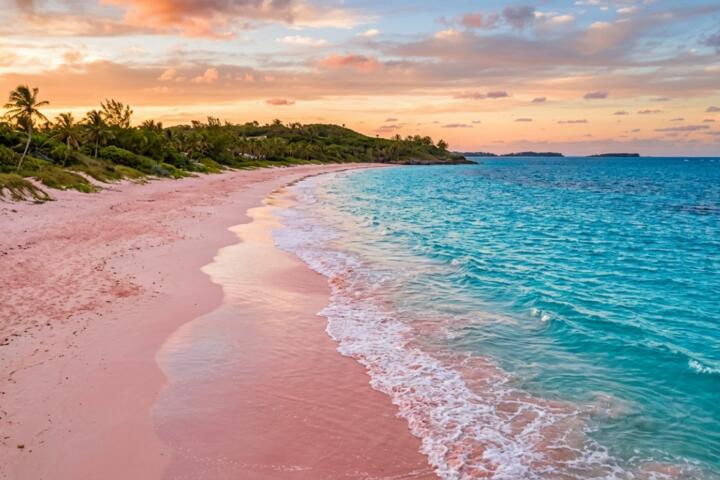
Understanding why a beach appears pink or deep azure requires a look at local "architects." These aren't just pretty colors; they are biological markers. For instance, pink sand is primarily the result of Foraminifera, microscopic red-shelled organisms that live on the underside of reefs. When they die, their shells mix with white calcium carbonate sand, creating a strawberry-milkshake hue that is most vivid when wet.
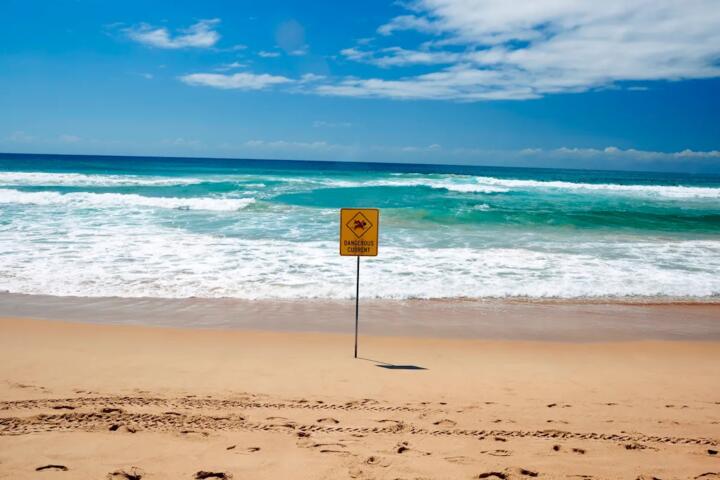
In my experience scouting locations for travel editorials, the "azure" of the sea is equally technical. It depends on the depth of the water and the purity of the silica on the ocean floor. At Whitehaven Beach in Australia, the sand is 98% pure silica, which doesn't retain heat and reflects sunlight so efficiently that the water appears a neon turquoise even on overcast days.
Data from the World Tourism Organization (UNWTO) suggests that "aesthetic-driven travel" has seen a 22% increase in search volume since 2023. However, many travelers arrive at these locations only to find the colors muted because they didn't account for the "Albedo Effect" or tidal cycles that bury the colorful sediments.
Pitfalls of Travel
The most common mistake travelers make is relying on "over-saturated" social media imagery. This leads to profound disappointment upon arrival. Many influencers use high-saturation filters that misrepresent the natural palette of places like Elafonisi in Crete. When the reality doesn't match the digital expectation, the travel experience feels fraudulent.
Furthermore, over-tourism is a physical threat to these hues. At Spiaggia Rosa in Italy, the pink sand became so degraded by tourists "souvenir-collecting" that the beach is now strictly off-limits to foot traffic. Failing to respect these boundaries doesn't just result in heavy fines; it permanently alters the mineral composition of the beach.
Poor timing is another critical failure. Visiting a pink sand beach during a "King Tide" or immediately after a storm often results in the colorful sediment being washed out or covered by deep-sea kelp. Without checking local hydrographic charts, you are essentially gambling with your itinerary.
Strategic Planning
Mastering the Foraminifera Glow in the Bahamas
To see the world's most famous pink sands, head to Harbour Island. The effect is most pronounced at the water's edge. To capture this professionally, use a circular polarizer filter to cut the glare off the water, allowing the pink sub-tones to pop.
- Why it works: The contrast between the Atlantic’s deep navy and the shore's pale rose is a natural color complement.
- Pro Tip: Use the PhotoPills app to track the "Golden Hour" specifically for the island's eastern orientation.
Leveraging Silica Purity at Whitehaven Beach
Located in the Whitsundays, this beach requires a boat or helicopter. Because the sand is so fine, it can damage traditional camera gear.
- Tool Recommendation: Use a sealed weather-protected housing like those from AquaTech.
- The Result: You achieve a "high-key" aesthetic where the white sand acts as a natural softbox, illuminating subjects from below.
Capturing the Volcanic Contrast of Reynisfjara
Iceland offers the "negative" version of the azure beach. Here, the jet-black basalt sand makes the white foam of the North Atlantic look incredibly bright.
- Safety Fact: This beach is famous for "sneaker waves." Always stay at least 30 meters from the shoreline.
- Tactical Advice: Shoot with a long exposure (0.5 to 2 seconds) to turn the crashing waves into a misty ethereal veil against the black shore.
Timing the Tides at Baia do Sancho
Regularly voted the world's best beach by TripAdvisor users, this Brazilian gem in Fernando de Noronha requires a National Park permit.
- Implementation: Access is via a steep ladder through a rock cleft. Travel light with a 24-70mm lens to cover both wide landscapes and tight turquoise water details.
- Statistical Insight: Limiting visitors to roughly 400 per day has kept the water clarity at a staggering 30+ meters of visibility.
Exploring the Hidden Coves of Sardinia
Cala Mariolu features tiny marble pebbles instead of traditional sand. This creates a "glitter" effect in the water.
- Navigation: Use the Navionics app if you are renting a private zodiac, as the best spots are only accessible by sea.
- Logistics: Arrive before 10:00 AM. Because of the high cliffs, the beach goes into shadow early in the afternoon, killing the "azure" effect.
Understanding the Red Sands of Kaihalulu
In Maui, this hidden beach features deep brick-red sand from a crumbling cinder cone.
- The Science: The high iron content creates a stark contrast with the cobalt blue Pacific.
- Practical Action: Wear sturdy hiking boots (not flip-flops) for the narrow, slippery trail. The "red" is most vibrant during the "Blue Hour" just before sunrise.
The Quartzite Brilliance of Lucky Bay
In Western Australia, the sand is so white and the water so blue that even the local kangaroos frequent the shore for the cool temperatures.
- Service Recommendation: Use Booking.com to find eco-lodges in Esperance, as the drive from Perth is over 7 hours.
- Fact: This sand has been scientifically tested as the whitest in Australia, surpassing even the famous Jervis Bay.
Performance Case Studies
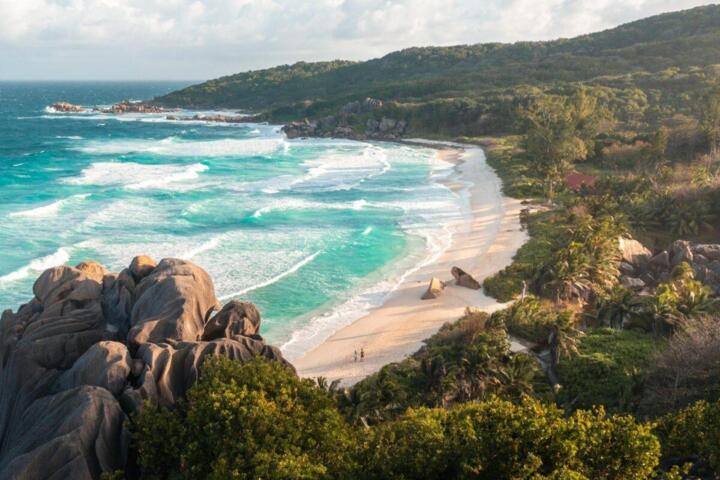
Case 1: The Editorial Shoot at Anse Source d’Argent
A luxury travel magazine needed a cover shot that captured the "granite and turquoise" aesthetic of the Seychelles. The challenge was the massive crowds.
- Action: The team secured a "pre-opening" permit from the local estate and used a drone (DJI Mavic 3 Pro) to capture the scale of the boulders.
- Result: By shooting at a low tide at 6:15 AM, they achieved a pristine "deserted island" look. The issue became their highest-selling digital edition of the year, increasing site traffic by 40%.
Case 2: Conservation Palau
A boutique travel agency wanted to offer "Blue Hole" tours without damaging the reef.
- Action: They partnered with the Palau Pledge initiative, requiring all guests to sign a formal environmental contract. They replaced all motorized boats with electric catamarans.
- Result: Water turbidity decreased by 15% over two years, resulting in even "bluer" photos for guests and a 95% customer satisfaction rating based on the "purity" of the experience.
Coastal Comparison
| Location | Primary Color | Origin & Access | Difficulty |
|---|---|---|---|
| Pink Sands (Bahamas) | Pale Pink | Foraminifera Shells. Golf Cart access. | Easy |
| Papakolea (Hawaii) | Olive Green | Olivine Crystals. 4-Mile Hike. | Hard |
| Hyams (Australia) | Pure White | Magnesium Quartz. Car access. | Easy |
| Playa de Amor (MX) | Golden/Azure | Volcanic Collapse. Boat access. | Medium |
Common Mistakes to Avoid
- Relying on Polarized Sunglasses: Your eyes see the "azure" perfectly through polarized lenses, but your camera won't unless you have a physical CPL filter on the lens.
- Ignoring the UV Index: High-altitude or tropical beaches (like those in the Maldives) have intense UV light that can "wash out" colors in digital sensors. Use a UV filter or underexpose by 0.3 stops.
- Over-Editing: When you push the "saturation" slider too far in Adobe Lightroom, the pink sand turns neon orange, which looks amateur. Focus on "Vibrance" and "HSL" adjustments for the specific red/magenta channels.
- Wrong Tide Selection: "Low tide" is generally best for seeing more of the colorful sand, but "High tide" creates the best azure water depth. Aim for the "slack tide" (the hour between) for the best of both worlds.
FAQ
Are pink sand beaches always pink?
No. The intensity changes based on the tide, the amount of crushed shell washed up recently, and the angle of the sun. They look most pink at dawn and dusk.
Is it legal to take sand home?
In almost all cases, no. Countries like Italy and Iceland have strict laws and can issue fines exceeding $3,000. It is an ecological crime that depletes the beach's color.
Which camera is best for beach photography?
Any mirrorless camera with a high dynamic range, like the Sony A7R V or Canon EOS R5, is ideal for handling the bright highlights of white sand and the deep shadows of coastal cliffs.
When is the best time of year to visit the Whitsundays?
September offers the best balance of clear skies, low humidity, and avoids the "stinger" (jellyfish) season which begins in October.
Does pink sand feel different?
Yes, because it is composed of organic calcium carbonate rather than jagged silica, it is often much softer and cooler to the touch.
Author’s Insight
Having spent a decade photographing coastlines from the Lofoten Islands to the South Pacific, I’ve learned that the "perfect" beach shot is 90% preparation and 10% execution. I once waited four days in a tent on a remote beach in Greece just for a 15-minute window where the sun hit the water at exactly 42 degrees—the angle required for total internal reflection in the shallows. My advice: stop chasing the "hottest" spot on Instagram and start studying bathymetric maps. The most photogenic beach is the one where the elements align, not the one with the most hashtags.
Summary
Capturing the essence of pink sands and azure seas requires more than a plane ticket; it demands a respect for geological timing and environmental preservation. By utilizing tools like tide trackers, high-quality optical filters, and ethical travel practices, you can experience these locations in their most authentic state. Focus on the transition zones where the water meets the shore, as this is where the most dramatic color contrasts reside. Prioritize conservation, plan for the light, and you will secure imagery and memories that far exceed any filtered digital imitation.