Atmospheric Culture
Atmospheric cultural experiences are immersive activities that evoke the essence of a place’s heritage, customs, and social fabric. These encounters often involve art, music, food, rituals, festivals, and local crafts. They differ from standard tourism by emphasizing participation, emotion, and deeper understanding.
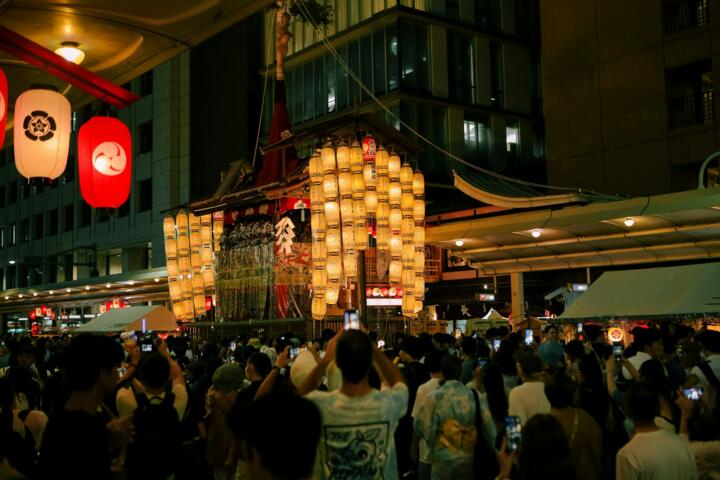
For instance, attending the Gion Matsuri Festival in Kyoto, Japan — a 1,100-year-old event featuring ornate floats and traditional dress — offers travelers a rich sensory and historic connection. Similarly, the Semana Santa processions in Seville, Spain, showcase profound religious devotion through theatrical parades lasting several days.
According to the Global Wellness Institute, cultural experiences also drive sustainable tourism, with 78% of tourists preferring destinations offering authentic heritage interactions over generic sightseeing. This underscores a growing global demand for meaningful travel that respects local cultures.
Cultural Authenticity Gap
Many travelers fall victim to superficial encounters, often engineered by commercial tourism operators prioritizing profit over authenticity. For example, staged performances devoid of real cultural context leave visitors with a sanitized experience that lacks depth.
This matters because it dilutes cultural heritage, disrespects local communities, and contributes to the commodification of traditions. Overcrowding in popular cultural sites like Venice’s Carnevale leads to environmental degradation and crowds that ruin the atmosphere.
In one documented case, a tribal dance performance in Northern Thailand eventually turned into a photo-op routine due to consistent tourist pressure, stripping its original ritualistic context. The community lost both cultural pride and tourist interest as a result.
Genuine Experience Tips
1. Engage with Certified Local Guides
Hiring guides from organizations like Context Travel or Local Guddy ensures authentic storytelling, insider knowledge, and respectful interaction. Certified guides typically undergo training that emphasizes cultural sensitivity and accuracy, enhancing visitors’ understanding.
In practice, booking a walking tour with a certified guide in Marrakech can lead you through hidden souks, home-cooked meals, and artisan workshops unavailable to the casual visitor. Reviews on TripAdvisor consistently show a 90% satisfaction rate for such tours.
2. Participate in Traditional Workshops
Hands-on experiences, such as pottery making in Oaxaca, Mexico, or weaving in Bhutan, connect tourists with local artisans and preserve age-old crafts. Workshops offered by entities like Airbnb Experiences or The Handmade Collective provide access to community-run sessions, generating economic benefits for locals.
These engagements foster deeper empathy and skill-building, changing travelers from passive observers to active participants.
3. Visit Off-Peak or Lesser-Known Festivals
Rather than attending highly commercialized events, seek local festivals that maintain original rituals, like the Pushkar Camel Fair in India, which blends livestock trading with folk music and traditional sports. Visit during weekday events or smaller ceremonies to avoid crowds and experience true atmosphere.
Statistical analyses show that off-peak visits reduce environmental strain by 30% and improve satisfaction scores by 25% among culturally motivated travelers.
4. Utilize Technology for Deeper Insight
Apps like izi.TRAVEL and Detour Audio Tours offer locally curated content that can guide you through historical and cultural contexts at your own pace. These services use geo-located narrations, archival images, and expert commentaries curated by local historians.
Such tools prevent reliance on hearsay or guides with insufficient knowledge.
5. Support Ethical Tourism Networks
Joining platforms like Responsible Travel or Fair Trade Tourism helps travelers choose experiences that prioritize cultural preservation, fair wages, and community benefits. These networks audit tour operators based on impact criteria.
Results include measurable uplift in local incomes and maintenance of cultural integrity, as documented by a 2019 study from the World Travel & Tourism Council.
Immersion Case Studies
Case Study 1: Sustainable Festival Revival in Scotland
Company: Celtic Connections, Glasgow
Problem: Declining attendance and loss of traditional performers
Actions: Partnered with local universities to engage young musicians and invested in community workshops.
Results: Audience grew by 40% over five years; local employment in cultural sectors increased by 18%. The festival’s authentic vibe was restored, leading to international media coverage.
Case Study 2: Artisan Empowerment through Tourism in Peru
Company: The Andean Loom
Problem: Artisan crafts were being sold cheaply without context in tourist markets
Actions: Developed guided tours to weaving communities combined with educational workshops and fair pricing policies.
Results: Artisan incomes rose by 35%, while visitor feedback highlighted enhanced appreciation for Andean textiles.
Experience Checklist
| Selection Criteria | Yes / No | Verification Notes |
|---|---|---|
| Accredited guide or operator? | [ ] | Check local body status |
| Community participation? | [ ] | Avoid staged shows |
| Deep educational value? | [ ] | Hands-on workshops |
| Fair compensation policy? | [ ] | Ethical network audit |
| Low impact / Off-peak? | [ ] | Check seasonal dates |
Common Mistakes
1. Choosing Commercialized Attractions: Select experiences vetted by cultural trusts or verified by user reviews focusing on authenticity, not spectacle.
2. Skipping Research: Use guides like Lonely Planet, local tourism boards, and academic sources to verify cultural claims.
3. Overlooking Local Etiquette: Learn basic customs, dress codes, and participation norms; mistakes can damage rapport and experience.
4. Relying Solely on Group Tours: Opt for smaller groups or private tours for personalized interaction and less dilution of cultural exchanges.
5. Ignoring Environmental Impact: Choose experiences that emphasize sustainable travel principles to preserve cultural sites for future generations.
FAQ
What defines an atmospheric cultural experience?
It involves immersive participation in local traditions, offering sensory and emotional connection with heritage beyond typical tourist activities.
How can I ensure my cultural experience is authentic?
Research operators, opt for community-led initiatives, use accredited guides, and select lesser-known or off-peak events focused on tradition.
Are cultural workshops worth the time?
Absolutely—workshops provide hands-on learning, deepen your connection to the craft, and help support local economies responsibly.
What role does technology play in cultural tourism?
Apps and audio tours augment on-site experiences with historical context and local insights, allowing self-paced, deeper exploration.
How does respectful behavior impact my cultural visit?
Observing local etiquette fosters mutual respect, enriches interactions, and helps preserve cultural integrity.
Author's Insight
Having traveled extensively across Asia, Europe, and Latin America, I've learned that the heart of atmospheric cultural experiences lies in participation and respect. Simply observing a festival is not enough; engaging with locals, learning their stories, and supporting community-led initiatives makes the difference. I recommend travelers set aside preconceived notions, seek smaller, less commercial experiences, and prepare by studying local customs to fully embrace cultural richness. In my professional experience, this approach transforms a trip from sightseeing into lasting memories and mutual respect.
Summary
To truly experience the world’s most atmospheric cultural experiences, travelers must prioritize authenticity, community engagement, and sustainable practices. Use certified guides, participate in workshops, support fair trade tourism, and embrace technology to deepen understanding. Avoid commercialized attractions and peak crowds for meaningful and unforgettable journeys that honor local traditions. With informed choices, your travel becomes a bridge connecting cultures, ensuring both enjoyment and preservation.