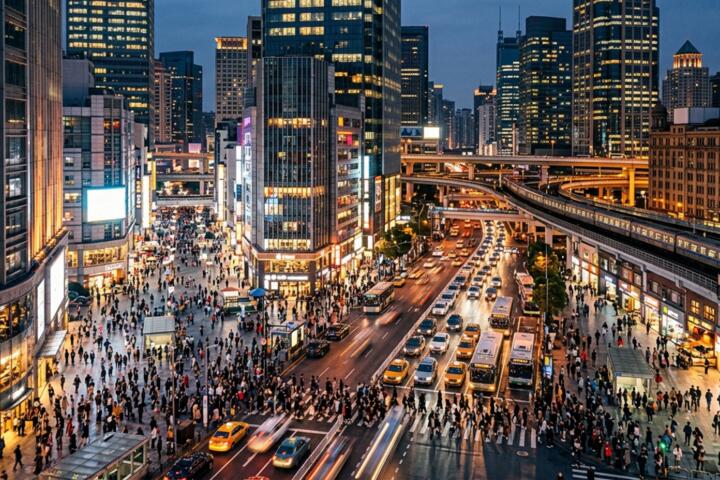
Modern Global Hub DNA
A vibrant metropolitan hub is no longer defined just by its skyline or historical monuments. In 2026, urban energy is measured by "velocity of interaction"—how quickly ideas, people, and capital move within the city's ecosystem. These are high-density environments where traditional industry intersects with the creator economy and decentralized finance.
From a practical perspective, this means looking at cities that have invested heavily in "15-minute city" urban planning. For example, Seoul’s Songdo IBD serves as a benchmark for smart city integration, where IoT connectivity reduces commute times by an average of 18%, allowing for more social and professional engagement.
Data from the Global Liveability Index and recent Mastercard Global Destination Cities reports suggest that the most successful hubs currently prioritize sustainable transit and high-speed digital infrastructure. A city’s vibrancy is now directly proportional to its fiber-optic penetration and the accessibility of its third spaces—cafes, co-working studios like WeWork or Industrious, and public parks.
Navigating Urban Pitfalls
The most common mistake modern travelers make is "destination lag"—relying on travel guides that are 24 months out of date. In rapidly evolving hubs like Riyadh or Mexico City, a neighborhood that was a creative epicenter last year may already be over-commercialized today.
Failure to understand the "micro-logistics" of a city often leads to burnout. For instance, tourists in London frequently underestimate the impact of the "Ulez" (Ultra Low Emission Zone) or the complexity of peak-hour pricing on the Tube, leading to unnecessary expenses.
Ignoring the shift toward "cashless-only" or "mobile-first" economies can also be a major pain point. In cities like Stockholm or Hangzhou, not having a localized digital payment method—be it Klarna, Swish, or Alipay—can literally prevent you from buying a bottle of water or accessing public restrooms. This digital exclusion creates a barrier between the visitor and the city's authentic rhythm.
High-Impact Travel Framework
To maximize the value of a metropolitan visit, you must approach the city as an ecosystem to be integrated into, rather than a museum to be observed.
Leveraging the Power of Hyper-Local Communities
Instead of staying in hotel districts, utilize platforms like Kindred or Sabbatical to find residences in "creative clusters." In Tokyo, this means looking beyond Shibuya toward Shimokitazawa, where the density of independent retailers and vintage tech shops creates a unique social fabric. This approach works because it places you in the path of "serendipitous encounters"—the primary currency of vibrant cities.
Optimizing Mobility with Multi-Modal Integration
Stop relying on a single mode of transport. The most efficient urbanites use aggregators like Citymapper or Google Maps to toggle between e-bikes, light rail, and ride-hailing services like Grab or Uber. In Paris, using the Velib' bike-sharing system instead of the Metro can save up to 15 minutes per 3-kilometer trip during peak hours, while providing a far more intimate view of the architecture.
Curating a "Deep Work" and "Deep Play" Schedule
The best hubs offer a balance of high-octane productivity and cultural immersion. In Singapore, use the morning for high-speed networking at The Working Capitol, then transition to the Jewel Changi or the Gardens by the Bay for sensory reset. Research shows that "biophilic" urban design—integrating nature into the city—increases cognitive function by nearly 20%, making these spaces essential for the modern professional.
Accessing Secret Menus of Culture
Use AI-driven discovery tools like Dine or Resident Advisor to find events that aren't on the general tourist radar. In Berlin, the best experiences aren't at the Brandenburg Gate; they are at the pop-up art galleries in Neukölln. This ensures your travel data points are unique, which is essential for personal branding and authentic storytelling in the digital age.
Prioritizing Wellness in High-Density Zones
Metropolitan life can be draining. Successful travelers integrate "urban wellness" by booking hotels with advanced filtration systems, like those found in Equinox Hotels or Six Senses Urban properties. These brands utilize medical-grade air purification and circadian lighting to mitigate the physiological stress of city noise and pollution.
Urban Success Stories
Consider the transformation of Lisbon, Portugal. In 2018, it was a budget-friendly getaway; by 2026, it has become Europe’s premier tech hub. A mid-sized fintech firm recently moved its satellite office there, citing the "quality of life to cost" ratio. By utilizing the Web Summit ecosystem and local hubs like Factory Lisbon, they increased employee retention by 30% compared to their London headquarters.
In another instance, a freelance creative director shifted her base to Mexico City (CDMX) for three months. By focusing on the Roma Norte and Condesa districts, she tapped into a network of international designers using the Selina co-working model. The result was a 40% increase in billable projects sourced through local networking, proving that geographical vibrancy translates directly to economic opportunity.
Strategic City Comparison
The following checklist helps evaluate if a metropolitan hub meets the criteria for a high-value visit this year.
| Metric | High-Vibrancy Indicator | Low-Vibrancy Warning |
|---|---|---|
| Digital Connectivity | Average 5G speeds > 150 Mbps | Spotty 4G; paid hotel Wi-Fi |
| Transit Accessibility | Contactless payment on all transit | Cash-only tickets; limited lines |
| "Third Space" Density | Co-working spaces every 500m | Only fast-food chains available |
| Cultural Fluidity | Weekly pop-up events and markets | Static museums and tourist traps |
| Economic Growth | Visible construction and tech startups | High retail vacancy rates |
Navigating Travel Blunders
One of the biggest errors is "schedule packing." In a vibrant city, the best opportunities often arise from unplanned conversations. If your calendar is booked 100% with tours, you miss the 2:00 PM gallery opening or the spontaneous networking lunch.
Another mistake is ignoring "neighborhood fatigue." Staying in the dead center of a tourist district (like Times Square in NYC or Leicester Square in London) leads to a distorted view of the city’s actual energy. Always stay at least two subway stops away from the "Ground Zero" of tourism to find where the locals actually spend their money.
Finally, don't ignore local apps. If you are in Dubai and not using Careem, or in Southeast Asia and not using Grab, you are overpaying and losing time. Technology is the primary interface for any modern hub; failing to adopt the local stack is a recipe for friction.
FAQ
Which city is currently the best for digital nomads in 2026?
Bangkok continues to lead due to its new "Destination Thailand Visa" (DTV), which allows for long-term stays. The combination of low cost of living, world-class dining, and high-speed internet makes it unbeatable for value.
How do I stay safe in high-density metropolitan areas?
Use "urban tech" like the Noonlight app or wearable safety devices. Always check the Citizen app in US cities for real-time safety alerts. Generally, staying in well-lit, high-foot-traffic areas is the best defense.
Are these vibrant hubs becoming too expensive?
While "A-list" cities like New York and Singapore are pricey, "B-list" hubs like Warsaw, Poland, or Ho Chi Minh City, Vietnam, offer similar levels of energy and infrastructure at a fraction of the cost.
What is the best way to meet locals in a new city?
Join "interest-based" communities rather than "traveler" communities. Use Meetup for tech or hobby groups, or join a local run club (like Midnight Runners which operates in multiple global hubs).
How can I minimize my environmental impact in these cities?
Prioritize public transit, use apps like Too Good To Go to reduce food waste by buying surplus from local cafes, and choose "Green Key" certified hotels.
Author’s Insight
Having lived out of a carry-on across four continents over the last decade, I’ve realized that a city’s "vibe" is actually a measurable byproduct of its infrastructure. When I spent a month in Tokyo, I realized that the lack of friction—the fact that everything from the trains to the vending machines worked perfectly—freed up "mental bandwidth" for me to be more creative. My advice: don't just go where it's pretty; go where the systems work so well that you can focus on your own growth. If you find yourself spending more than 20 minutes a day worrying about logistics, you’re in the wrong city.
Summary
The most vibrant metropolitan hubs of this year are those that seamlessly blend technological efficiency with raw cultural energy. By avoiding the pitfalls of over-tourism, leveraging hyper-local digital tools like Citymapper and Kindred, and choosing neighborhoods that foster serendipity, you can transform a standard trip into a high-leverage growth experience. Focus on cities that invest in their residents, as those are the environments where visitors will also find the most value. Plan your next move based on connectivity and community density, and you will find yourself at the center of the world's most exciting developments.