Defining Legacy Travel
Legacy travel is the shift from "entertainment-based" trips to "experience-based" journeys. It involves selecting environments that challenge a child’s worldview and encourage neuroplasticity through novel sensory input. Instead of a standard resort where every day looks the same, these trips focus on cultural immersion, environmental stewardship, and shared physical accomplishments.
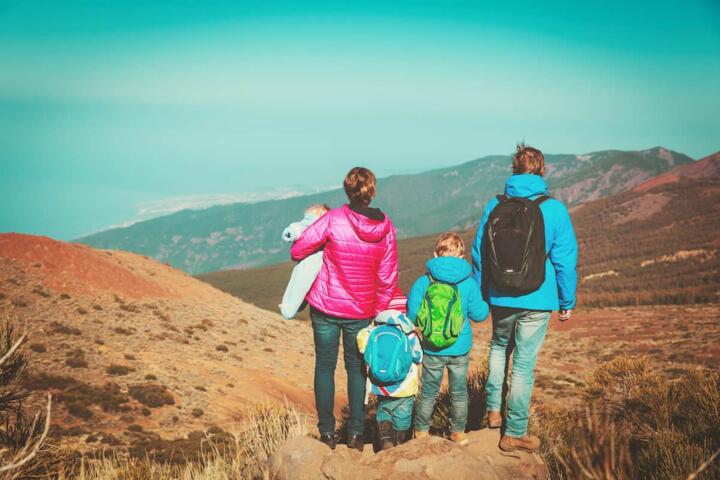
In practice, this looks like choosing a multi-day trek in the Peruvian Andes over a theme park visit. While the theme park provides immediate dopamine hits, the trek builds resilience and provides a narrative of triumph. According to a study by the Family Travel Association, 74% of parents report that travel significantly increased their children’s self-confidence and desire to learn about the world.
Psychologically, "reminiscence bumps" occur when children encounter radical shifts in their environment. A survey of 2,000 adults found that 49% of their most vivid childhood memories were linked to family holidays, specifically those involving "first-time" experiences, such as seeing the Northern Lights or navigating a foreign market using a local language.
The Common Pitfalls
The biggest mistake parents make is "over-scheduling" and "sanitizing" the experience. When every minute is planned and every discomfort is avoided, children lose the opportunity to problem-solve. We often see families staying in Western-style hotels that look identical to their homes, effectively insulating the child from the very culture they traveled thousands of miles to see.
This insulation leads to "vacation amnesia," where trips blend together into a blur of hotel buffets and tablet screens. If a child doesn't engage with the local community or face a minor challenge—like a missed train or a sudden rainstorm—the brain doesn't flag the event as significant. The result is a high financial investment with a low emotional ROI.
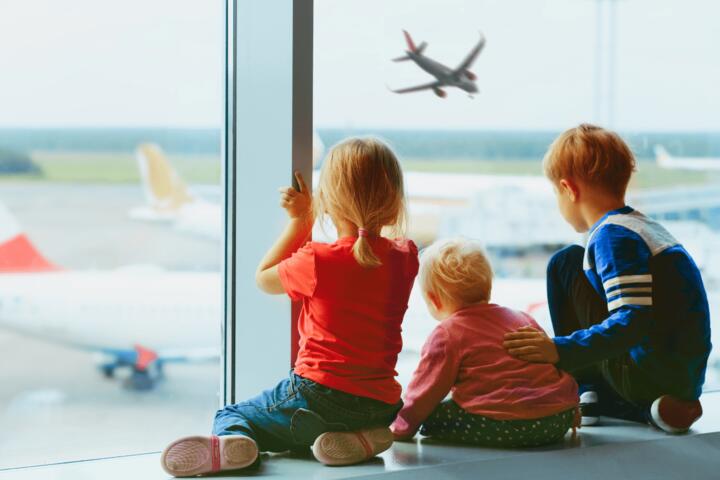
Furthermore, many parents ignore the "Peak-End Rule." This psychological heuristic states that people judge an experience largely based on how they felt at its peak and at its end. Ending a trip with a stressful 6-hour airport layover often taints the memory of the entire preceding week, regardless of how enjoyable it was.
Strategic Solutions
Prioritize Shared Adversity
Shared adversity, in a controlled environment, creates the strongest family bonds. Activities like learning to surf in Sayulita, Mexico, or navigating the Tokyo subway system require teamwork. When a family solves a problem together, the child’s brain releases oxytocin, anchoring the memory of the "win" to the family unit. Use platforms like 500px to research visually stimulating locations that offer these challenges.
Utilize Niche Education
Incorporate "edutainment" that feels organic. Instead of a history museum, book a private archeology workshop in Rome through a service like Context Travel. When a child physically handles tools or touches ancient stone, they move from abstract learning to concrete experience. Statistics show that experiential learning can increase retention rates by up to 75% compared to passive observation.
Engage with Conservation
Trips focused on wildlife and environmental impact leave a lasting moral imprint. Booking a stay at a lodge like Giraffe Manor in Kenya or participating in a turtle conservation project in Costa Rica via G Adventures connects the child to global issues. These experiences teach empathy and responsibility, traits that persist long after the tan fades.
Slow Travel Movement
Spend at least seven days in one location. Rapidly moving between cities creates "destination fatigue." Renting a local villa via Airbnb or Vrbo in a non-tourist neighborhood allows children to recognize the "bread man" or the local park, fostering a sense of belonging. This stability allows the brain to record deeper, more nuanced memories of the local atmosphere.
Leverage Professional Gear
Provide the child with their own high-quality gear. A GoPro Hero 12 or a pair of Nikon Prostaff binoculars transforms them from a passenger to an active documentarian or observer. When a child is responsible for "capturing the trip," they pay closer attention to their surroundings, looking for details they would otherwise ignore.
Real-World Mini-Cases
A family of four from London felt their teenagers were becoming disconnected. They traded a Mediterranean cruise for a 10-day immersive language and cooking program in Oaxaca, Mexico. By working with local chefs sourced through Airbnb Experiences and staying in a traditional Zapotec village, the family had to rely on each other’s limited Spanish. The result: the teenagers continued Spanish lessons back home, and the family reported a 40% decrease in "screen time" conflicts during the trip.
Another case involved a New York family who traveled to Finnish Lapland in January. Using the travel agency 50 Degrees North, they stayed in a glass igloo and participated in a husky sledding expedition. The "peak" was seeing the Aurora Borealis, but the "bonding moment" was surviving -25 degree temperatures together. The child, aged 8, later used this experience as the subject of a school essay on resilience, demonstrating the long-term cognitive impact.
Travel Planning Matrix
| Factor | Passive Travel | Active / Immersive | Memory Impact |
|---|---|---|---|
| Accommodations | Large Resorts | Local Villas / Boutique | High: Awareness |
| Dining | Hotel Buffets | Markets / Classes | High: Sensory |
| Activity Level | Bus Tours / Observers | Hiking / Local Interaction | Extreme: Physical |
| Technology | Unrestricted Tablets | Navigation / Photo | High: Presence |
Avoiding Common Mistakes
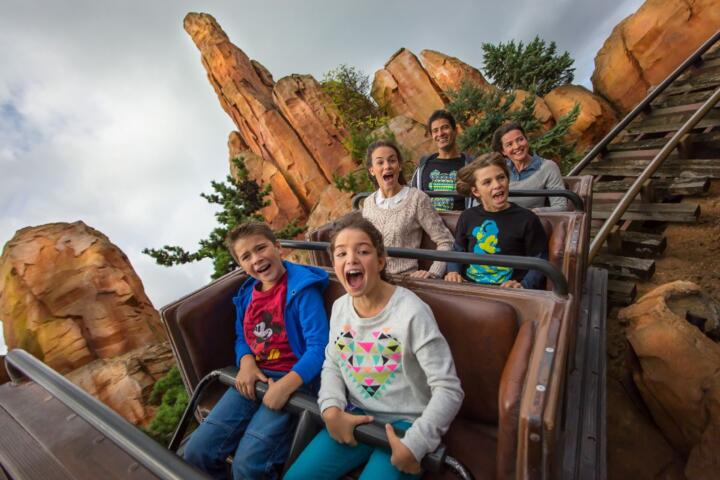
Avoid the "Disney Trap"—the belief that a trip must be perfectly curated and artificial to be fun. Genuine joy often comes from the unplanned. If you find a local festival in a small French village, skip the museum and join the parade. These spontaneous moments are "flashbulb memories" that the brain prioritizes.
Don't ignore the logistics of "Rest Days." Every three days of high activity requires one day of "zero plans." Over-exhaustion leads to emotional meltdowns, which the brain records as negative peaks. Use apps like TripIt to keep logistics organized so the parents aren't stressed, as children mirror parental cortisol levels.
Lastly, stop taking all the photos yourself. When parents are behind the lens, they aren't in the memory. Use a tripod or ask a passerby. The child needs to see you in the frame to anchor the memory of "us," not just "this place."
FAQ
What is the best age for a "forever" trip?
While memories start forming early, ages 8 to 12 are the "sweet spot." Children at this age have the physical stamina for adventure and the cognitive capacity to understand cultural nuances, yet they still value time with parents.
How do I manage the high cost of immersive travel?
Focus on "Value over Luxury." A local homestay is often cheaper than a hotel and offers 10x the cultural value. Use points from cards like Chase Sapphire Reserve to offset flight costs, allowing you to spend the budget on local expert guides.
What if my child is a picky eater or hates walking?
Involve them in the planning. Let them choose one activity or one restaurant per day. Use the "gamification" method—give them a map and make them the "navigator" to turn walking into a mission rather than a chore.
Are "educational" trips actually fun for kids?
Yes, if they are hands-on. Learning to make pasta in Italy or a samurai workshop in Japan is education disguised as play. Avoid lectures; prioritize "doing."
How do I handle safety in "off-the-beaten-path" areas?
Research using the U.S. State Department advisories and invest in comprehensive travel insurance like World Nomads. Hiring a local, vetted guide through platforms like ToursByLocals provides both safety and authentic access.
Author’s Insight
In my two decades of exploring over 60 countries with my own children, I have found that the most expensive trips were rarely the most memorable. The moments my kids talk about today are the times we got lost in a monsoon in Thailand or when we spent a night in a Bedouin camp in Wadi Rum. My advice: look for "frictional" experiences—places where things aren't too easy. Comfort is the enemy of memory. Invest in the "difficult" adventure; the payoff in family cohesion is immeasurable.
Summary
To ensure your family trips are remembered forever, you must prioritize active participation over passive consumption. Choose destinations that offer cultural contrast, physical challenge, and opportunities for shared problem-solving. Use tools like specialized gear and local guides to deepen the connection to the environment. The most valuable souvenir isn't a physical object, but a shared story of adventure that defines your family’s identity for generations. Start by auditing your next itinerary: if it doesn't include a "first time" for everyone, change it.