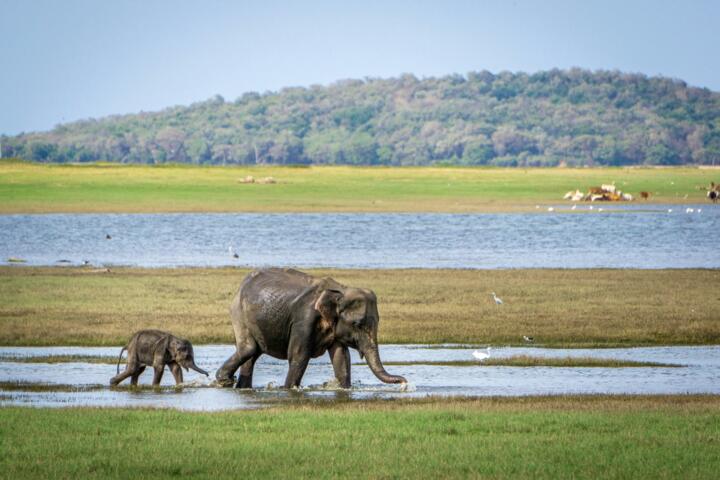
Why Nature Trips Matter
Many kids develop a strong attachment to animals early on. That connection often grows when they experience wildlife in natural settings, not just through screens or books. Nature destinations offer hands-on learning about animal behavior, environments, and conservation efforts. Recent studies show children who engage in outdoor wildlife encounters can retain 40% more facts about animals compared to classroom learning.
Consider the quiet excitement in discovering a nest of turtles on a beach or watching a family of otters glide downstream. These moments spark genuine curiosity. Parents and educators often seek places that combine safety with authentic interactions. A well-chosen destination bridges education and fun seamlessly.
Challenges Families Face
Choosing a place that captivates children and is logistically manageable poses challenges. Many popular zoos or nature centers restrict access or lack animal diversity. Some destinations promote animal feedings or direct contact, which can stress wildlife or mislead kids about appropriate behavior.
Kids might lose interest quickly if the experience feels artificial—like seeing caged animals with little context. Or trips become overwhelming when locations are too remote or lack kid-friendly amenities. Parents sometimes realize too late that their planned visit offered limited animal sightings or education.
Missing these chances means children miss memorable learning moments, and families get frustrated. Planning requires research beyond glossy websites.
Destinations That Work Well
Acadia National Park, Maine
Acadia combines varied ecosystems where kids see animals like peregrine falcons, seals, and moose tracks. The park runs Junior Ranger programs for under-12s focused on local wildlife spotting and tracking. With 120 miles of trails and ocean access, families can explore tide pools or marshes while spotting herons or crabs.
Keeps things engaging with games and badges. Consider renting kayaks for safe seal watching—avoid disturbing resting spots.
San Diego Zoo Safari Park, California
This park covers over 1,800 acres of open-range environments designed for species like rhinos, lions, and giraffes. The key feature: an educational safari bus tour explaining animal conservation efforts. Kids often remember the interactive feeding sessions with herd animals, seen up-close behind secure barriers.
Over 3.5 million visitors annually, highlighting its reputation. Buy tickets early to skip long waits.
Everglades National Park, Florida
Known for alligators, manatees, and over 350 bird species, the Everglades give children a real look at subtropical wetlands. Ranger-led boat tours introduce kids to ecosystem dynamics and wildlife adaptations. The park hosts camping sites where animal sounds fill the night.
Safety gear like insect repellent and sunscreen is mandatory; mosquitoes can be relentless there.
Monterey Bay Aquarium, California
While technically more indoor, Monterey Bay offers tidal pool exhibits and sea otter recovery areas that fascinate animal-loving kids. Its touch tanks let children gently feel sea stars and hermit crabs, fostering respect through tactile learning. The aquarium's research on marine mammals informs many interactive displays.
They document over 2 million visits yearly, proving consistent appeal. Weekends fill quickly.
Kruger National Park, South Africa
For advanced travelers, Kruger’s vast savanna habitats hold the so-called Big Five—elephant, lion, leopard, buffalo, and rhino. Guided game drives teach kids about predator-prey relationships and anti-poaching measures. Young explorers can learn to identify tracks and listen to animal calls.
This trip demands vaccinations, planning, and patience; sightings aren’t guaranteed but often thrilling. Opt for family-friendly lodging inside the park.
Local Wildlife Sanctuaries
Look around your region. Many states host rehabilitation centers or sanctuaries like The Wildlife Center of Virginia or The Elephant Sanctuary in Tennessee. These places balance education with rescuing injured animals. Visiting lets kids learn about species conservation firsthand and sometimes participate in safe observation activities during designated hours.
They typically run smaller than zoos and avoid commercial spectacle, a refreshing difference.
What Worked in Practice
A parent-run eco-tourism company in Colorado reported growing bookings for family trips centered on wolf watching. Initially, customers wanted guaranteed sightings, a tough promise. So, the company shifted to winter tracking tours, teaching children 8–12 years old to spot prints and signs instead.
Result? Satisfaction rates rose by 30% in a single winter season, and kids reported feeling like ""real scientists,"" a phrase that stuck in informal surveys.
Another example involves a small wildlife sanctuary in Oregon that started specialized weekend workshops for children focused on owls. They combined evening guided walks and indoor presentations using audio recordings. Attendance grew from under 50 to over 200 monthly visitors. Feedback praised the immersive, patient approach.
Nature Destinations Checklist
| Destination | Main Animals | Key Activity | Best Season |
|---|---|---|---|
| Acadia NP | Falcons, Seals | Junior Ranger Trail | June–September |
| San Diego Safari | Rhinos, Lions | Safari Bus Tours | Year-round |
| Everglades NP | Alligators, Birds | Boat Tours | Winter |
| Monterey Aquarium | Sea Otters, Starfish | Touch Tanks | Year-round |
| Kruger NP | Big Five | Guided Drives | Dry season |
Frequent Errors
Commonly, families overload their itinerary with too many destinations, which exhausts children and limits focus on animals. Another issue: picking places that primarily showcase captivity without clear educational angles. This can dilute kids' appreciation for natural behaviors.
Consulting reviews specifically from families with children saves headaches. Many assume feeding or petting opportunities always benefit animals — often, it only creates stress. Research animal welfare ratings first.
Underestimating basic logistics like parking, restroom access, or proximity to food can sour the experience, especially with younger kids.
FAQ
How to choose destinations for animal lovers?
Look for places offering varied species, educational programs, and safe, ethical interactions. Assess reviews from other parents. Consider accessibility and local climate.
When is the best time to visit wildlife parks?
Timing depends on animal activity peaks and climate. For example, dry seasons often improve sightings in African parks; coastal sites may vary by migration patterns.
Are guided tours better for kids?
Yes, guided tours simplify spotting and understanding animals. Rangers provide context and answer questions, deepening engagement for young learners.
What gear should families bring?
Pack binoculars, hats, sunscreen, sturdy shoes, and reusable water bottles. A field guide book tailored to local wildlife adds value and ignites curiosity.
Can city zoos be a substitute?
Zoos can introduce species but often lack the immersive environment of nature reserves. Use zoos as complements, not replacements, for outdoor wildlife exploration.
Author's Insight
As a naturalist who traveled with kids across five continents, I learned that children remember stories better than facts. Experience matters more than checklist ticking. Planning wildlife trips, I advise focusing on places where animals live naturally and where kids can safely watch without forcing contact.
Sometimes, less crowded parks with quality interpretation trump popular attractions. Observing patience and giving kids downtime around animals enhances bonds. Last June, helping my niece identify bird songs with a simple app was more rewarding than any zoo visit.
Summary
For children fascinated by animals, nature destinations must combine authentic encounters, educational context, and comfort. Avoid chasing every popular spot; instead, choose places that prioritize wildlife welfare and thoughtful family programming. Engage kids actively with tools and guided tours to deepen learning. Simple preparation — from timing to suitable gear — improves the experience substantially. Start small, then expand adventures as curiosity grows.