Global Immersive Leisure
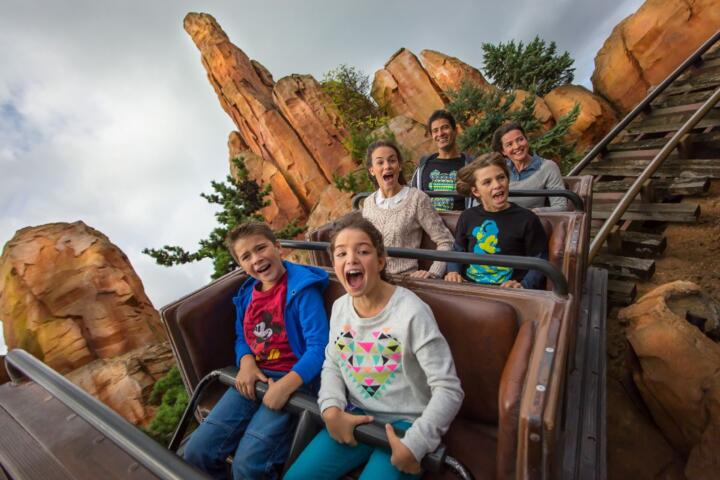
The modern entertainment park has evolved far beyond simple roller coasters and cotton candy. In 2026, the industry is a USD 66.25 billion market, increasingly dominated by "IP-immersion"—the practice of building entire physical worlds based on film and literary franchises. This shift means that the "best" park is no longer just the one with the tallest ride, but the one that maintains a seamless narrative from the entrance gate to the dining table.
For instance, the rise of "Spatial AI" and "Extended Reality" (XR) in parks like those operated by Six Flags or the Disney group has transformed wait times into interactive storytelling moments. Recent data suggests that the "Adults" segment now accounts for over 70% of global park attendance, signaling a massive shift toward sophisticated, multi-generational offerings that include high-end gastronomy and luxury lodging alongside traditional thrills.
Vacation Planning Pitfalls
Many families approach major international parks with a "wing it" mentality, which is the most efficient way to maximize stress and minimize value. A common error is failing to account for the "Theme Park Inflation" of 2026. With single-day tickets at premier U.S. locations ranging from USD $145 to over $212, an unplanned day can easily cost a family of four upwards of $1,200 when factoring in food and "skip-the-line" passes.
Another critical mistake is ignoring the "Thrill-to-Chill" ratio. Destinations like Universal Studios Orlando are spectacular for teens and adults but can be overwhelming or height-restricted for children under 102cm (40 inches). Conversely, a purely child-centric park may leave older siblings bored. Failing to synchronize the park’s DNA with your group’s demographic leads to "itinerary friction," where half the group is always waiting for the other half to finish an activity they cannot participate in.
Maximizing Park Value
Mastering the Digital Ecosystem
Every major park now operates via a proprietary app, such as My Disney Experience or the Universal Orlando Resort App. These are not optional; they are your primary tools for survival.
- Virtual Queues: Use these to "stand in line" while eating or watching a show. In 2026, many headline attractions no longer offer a physical standby line.
- Mobile Ordering: Save an average of 45 minutes per meal by pre-ordering food. Real-world tests show that peak-time walk-up wait times for quick-service dining can exceed 60 minutes.
Prioritizing Value-Rich European and Asian Hubs
While Florida and California remain iconic, the 2026 market shows superior value-to-satisfaction ratings in Europe and Asia. Europa-Park in Germany, for example, offers over 100 attractions and 13 coasters at a price point roughly 40% lower than its American counterparts.
- Tokyo DisneySea: Frequently cited by experts as the best-designed park in the world, it offers unique "Port Discoveries" that don't exist in the US, with a significantly lower entry price due to currency exchange favors.
Leveraging Single Rider and Switch Options
If your group has mixed ages, utilize the "Rider Switch" (or Baby Swap) programs. This allows one parent to wait with a small child while the other rides, then swap places without waiting in the main line again. Combined with Single Rider lanes, which can cut a 90-minute wait down to 20 minutes, you can effectively double your ride count per day.
Global Leisure Case Studies
Case Study 1: The Efficiency of the "Resort Bubble"
The Venue: A major multi-park resort in Orlando.
The Problem: A family of five spent 3 hours daily on transportation and $200 on parking over a 4-day trip, leading to exhaustion and missed "Early Entry" windows.
The Solution: On their next trip, they stayed at a "Prime Value" on-site hotel (like Universal’s Endless Summer Resort).
The Result: By gaining 1-hour early access and using complimentary water taxis, they completed the "Wizarding World of Harry Potter" attractions before the general public entered. They reported a 35% increase in ride volume and saved approximately 12 hours of transit time over the week.
Case Study 2: The International Value Pivot
The Venue: Efteling, Netherlands.
The Problem: A UK-based group found domestic parks too crowded and overpriced for the quality of theming.
The Solution: They booked a 3-day stay at the Efteling Hotel.
The Result: For the price of a 2-day pass in London or Paris, they received 3 days of park access, including a "Fairytale Forest" for the kids and world-class "Symbolica" dark rides for the adults. The total cost was 25% less than a similar Disney-level experience, with significantly shorter queues.
Global Leaders Overview
| Feature | Walt Disney World (USA) | Europa-Park (Germany) | Tokyo DisneySea (Japan) |
|---|---|---|---|
| Best For | Narrative & Scale | High-Capacity Thrills | Immersive Aesthetics |
| Tech Integration | Genie+ / Lightning Lane | VirtualLine (Free) | Disney Premier Access |
| Average Ticket | $160 - $210 | €60 - €75 | ¥8,400 - ¥10,900 |
| Signature Ride | Rise of the Resistance | Voltron Nevera | Journey to the Center of the Earth |
| Dining Quality | Diverse / Expensive | Exceptional European | High-end / Artistic |
Pre-Departure Checklist
- Height Check: Measure every child in your group with shoes on. Create a "Yes" list of rides for them to avoid disappointment at the gate.
- The "Double Power" Rule: Bring two high-capacity power banks. Between GPS, mobile ordering, and photo-taking, a phone battery rarely lasts past 2:00 PM.
- Weather Redundancy: For Florida or Asia, pack lightweight ponchos and cooling towels. For Europe, layering is key. Buying these inside the park carries a 300% markup.
- Hydration Strategy: Most parks (except some in Asia) allow empty reusable bottles. Use free water refill stations to save roughly $25 per person, per day.
- The "Anti-Clockwise" Flow: Most crowds instinctively turn right at the park entrance. Start at the back of the park and move counter-clockwise to stay ahead of the "herd" for the first two hours.
Common Strategic Errors
Error: Chasing "Headliners" at Midday
Starting your day at the most popular ride at 11:00 AM is a recipe for a 120-minute wait.
The Fix: Use the "Rope Drop" strategy. Arrive 45 minutes before official opening. If you aren't there for the first 60 minutes of operation, wait until the final 60 minutes of the evening when lines typically plummet during fireworks or parades.
Error: Over-scheduling Dining
Booking multiple sit-down "Character Meals" can eat up 4–5 hours of your day.
The Fix: Limit yourself to one table-service meal every two days. Use "Quick Service" for the rest, and utilize the mobile app to time your pickup for off-peak hours (e.g., lunch at 11:00 AM or 2:30 PM).
Error: Underestimating Walking Distance
A day at Epcot or Animal Kingdom often involves 15,000 to 25,000 steps.
The Fix: Do not wear new shoes. Even for older children who "don't need a stroller," consider renting one for a large-scale park to prevent the late-afternoon "meltdown" that ends many family trips prematurely.
FAQ
Which park is best for a mix of toddlers and thrill-seeking teens?
Magic Kingdom (Orlando) or Europa-Park (Germany) are the gold standards. Both offer a high density of "all-ages" rides while maintaining world-class coasters nearby, allowing the group to split up and reconvene easily.
Is the "Express Pass" or "FastPass" worth the extra cost?
Statistically, yes—if you only have one day. If you have 3+ days at a single resort, you can skip the extra cost by using early entry and late-night windows. However, at Universal Studios, the Express Pass can save you 3–4 hours of standing on peak days.
How do I handle dietary restrictions in these parks?
In 2026, major parks have become industry leaders in allergy-friendly dining. Disney and Universal offer specialized menus for vegan, gluten-free, and nut-free guests. Always mention your allergy to the server or check the "Allergy" filter in the mobile app.
What is the "cheapest" time of year to visit?
Avoid all school holidays and the "Gold Weeks" in Asia. The best value is usually found in late January, early February, and the first two weeks of September (post-Labor Day in the US).
Are international parks difficult to navigate if I don't speak the language?
Not at all. Parks like Tokyo Disney or Disneyland Paris are fully bilingual. Signage is universal, and most staff (Cast Members) in guest-facing roles speak functional English.
Author’s Insight
In my fifteen years of evaluating global leisure destinations, I’ve found that the "magic" of a park is directly proportional to the amount of friction you remove before you arrive. I once spent a full day at Tokyo DisneySea without waiting more than 20 minutes for a single attraction, simply because I leveraged the "Single Rider" lane for Indiana Jones and timed my meals during the harbor shows. My biggest piece of advice: don't try to see everything. Pick three "must-do" experiences per day; anything else is a bonus. The most memorable moments are usually the ones found in the immersive "quiet zones," not necessarily at the top of a 200-foot drop.
Summary
Maximizing a global theme park visit in 2026 requires a blend of technological literacy and logistical discipline. By prioritizing "IP-immersion" destinations that cater to all ages—such as the high-value hubs in Europe and Asia—and utilizing mobile ecosystems to bypass physical queues, families can transform a potentially exhausting trip into a seamless adventure. Focus on "Rope Drop" strategies, utilize Rider Switch programs, and always prioritize the "Resort Bubble" to save time. The best experiences aren't just about the rides; they are about the frictionless transition between worlds.