Marine Environments
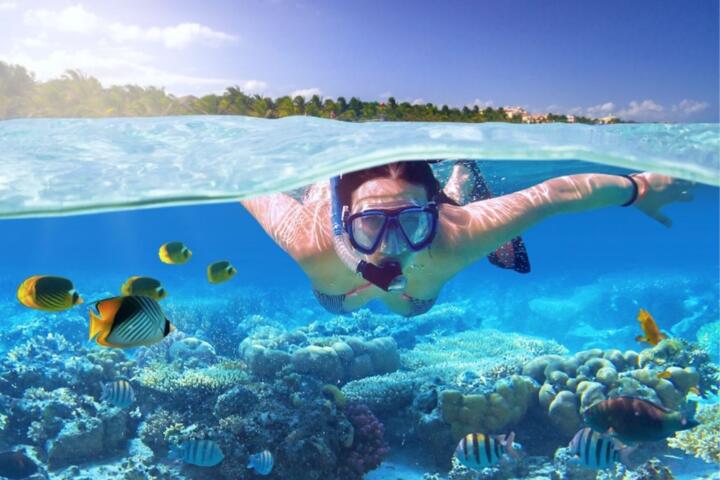
When we talk about "crystal clear water," we are technically referring to low-turbidity environments where nutrient levels are balanced enough to prevent algae blooms but sufficient to support coral ecosystems. For a snorkeler, this means horizontal visibility of at least 80 to 100 feet. In locations like the Maldives or the Exumas, the silica-sand composition ensures that even when the tide turns, the water remains transparent rather than murky.
From a practical standpoint, the quality of your experience depends on the "Lee Side" of an island—the side protected from prevailing winds. For example, on the island of Bonaire, the entire western coast is a protected marine park where the lack of river runoff ensures that visibility remains constant year-round. This is a rare geological advantage that sets professional-grade snorkeling spots apart from casual beach destinations.
Recent data from the Global Coral Reef Monitoring Network indicates that while many reefs are under stress, specific "hope spots" (protected areas with high resilience) are actually seeing a 10-15% increase in coral recruitment. Selecting these areas ensures you are seeing a thriving ecosystem rather than a bleaching event, which is vital for both ecological ethics and visual satisfaction.
Coastal Travel Planning
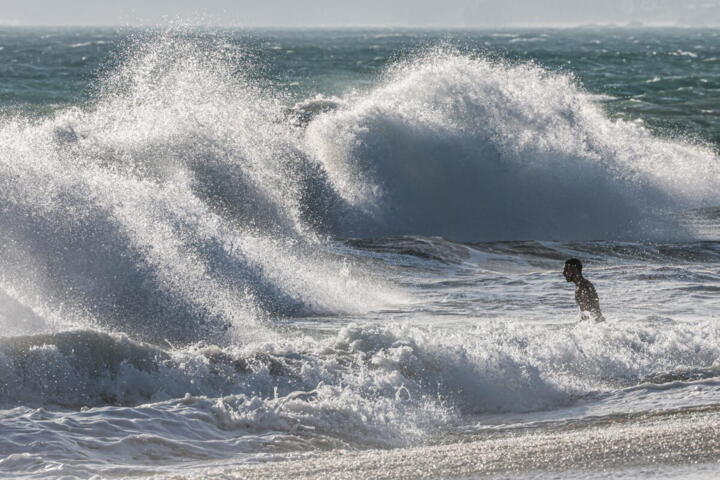
Most travelers rely on filtered Instagram photos rather than real-time water quality data or seasonal currents. The biggest mistake is booking a snorkeling trip during the "shoulder season" without checking local wind patterns. High winds create "surge," which kicks up sediment and reduces a 30-meter visibility day to a disappointing 5-meter haze.
Another critical error is the "Suntan Lotion Sabotage." Standard chemical sunscreens containing oxybenzone or octinoxate create an oily film on the water surface and kill the very reefs people come to see. Not only is this environmentally damaging, but many regions—including Hawaii and Palau—now enforce strict bans, leading to potential fines or confiscated products at customs.
Ignoring the "Bora-Bora Effect" is the third major issue. This occurs when travelers visit famous spots during peak cruise ship hours. Between 10:00 AM and 2:00 PM, popular lagoons see a 400% increase in human density, which stresses marine life and makes sunbathing a noisy, crowded ordeal rather than a restorative experience.
Elite Snorkeler Advice
Select Destinations with Minimal River Runoff
To guarantee transparency, choose islands without major river systems. Rivers carry silt, tannins, and pollutants that cloud the water. The limestone base of the Yucatán Peninsula or the volcanic rock of Santorini are excellent examples where the water stays "gin-clear" because there is no soil erosion washing into the sea. In the Caribbean, Anguilla is superior to larger islands like Puerto Rico for this exact reason.
Timing Your Entry with the Slack Tide
The most professional way to snorkel is to enter the water during "Slack Tide"—the brief period between high and low tide when the water is not moving. Using apps like Tide Alert or WillyWeather allows you to pinpoint this window. During slack tide, sediment settles, and predatory fish often come closer to the reef, offering the most dramatic wildlife encounters.
Invest in Dry-Snorkel Technology and Polarized Optics
Generic rental gear often leaks, causing constant interruptions. Professional snorkelers use "dry-top" snorkels from brands like Cressi or Atomic Aquatics, which feature a float valve to keep water out even if a wave hits you. Furthermore, for sunbathing, switching to high-index polarized lenses from Maui Jim or Costa Del Mar is essential. These lenses eliminate 99% of surface glare, allowing you to see deep into the water directly from your beach chair.
Utilize Citizen Science Apps for Real-Time Scouting
Before heading to the beach, check iNaturalist or the Reef.org database. These platforms provide real-time uploads from divers and biologists. If a specific bay has had a jellyfish bloom or a sudden drop in visibility due to a storm, you will know before you waste a day traveling there. This data-driven approach ensures a 90% success rate in finding optimal conditions.
Prioritize Reef-Safe Physical Blockers
Switch to non-nano zinc oxide sunscreens like Stream2Sea or Raw Elements. These provide a physical barrier that doesn't wash off as easily as chemical sprays, ensuring you stay protected during long 45-minute snorkel sessions. For maximum sunbathing safety, look for UPF 50+ rated "rash guards," which eliminate the need for chemicals on your torso entirely.
Success Stories
Case Study 1: The Luxury Resort Transition
A high-end resort in the Seychelles noticed a decline in guest satisfaction due to murky water near their main beach. They implemented a "No-Motor Zone" extending 500 meters from the shore and replaced all guest sunscreens with reef-safe alternatives. Within two years, coral coverage increased by 22%, and guest ratings for snorkeling clarity rose from 3.4 to 4.9 stars.
Case Study 2: The Independent Traveler in Raja Ampat
An adventurous couple used Windy.com to track swell directions in Indonesia. By choosing homestays on the leeward side of the islands and snorkeling only during the morning slack tide, they documented 45 distinct species of nudibranchs and sharks in water with measured 40-meter visibility. Their total cost was 60% less than a standard liveaboard cruise, proving that data-driven planning beats expensive packages.
Top-Tier Coastal Hubs
| Destination | Primary Benefit | Water Clarity (Avg) | Best Month | Recommended Gear |
|---|---|---|---|---|
| Bonaire, ABC Islands | Shore diving/snorkeling | 35m+ | May - October | Full-foot fins |
| Exumas, Bahamas | Sandbar sunbathing | 30m | April - June | Polarized sunglasses |
| Silfra, Iceland | Extreme visibility | 100m+ | July (for light) | 7mm Drysuit |
| Shoal Bay, Anguilla | White powder sand | 25m | January - March | Mineral sunscreen |
| Rangiroa, Polynesia | Large marine life | 40m | Sept - November | Go-Pro Hero 12 |
Avoiding Travel Mistakes
One of the most frequent errors is "Reef Kicking." Inexperienced snorkelers often stand on coral heads to adjust their masks. Not only does this kill the coral, but it also risks stings from stonefish or sea urchins. Always find a "sandy patch" for adjustments.
Don't ignore the "Wind Chill" factor during sunbathing. Even in 30°C weather, a 15-knot wind can lead to deceptive dehydration and mild hypothermia after a long snorkel. Always have a microfiber towel or a windbreaker ready.
Avoid buying cheap, "one-size-fits-all" masks from beachside kiosks. These are usually made of PVC rather than liquid silicone. PVC hardens over time and creates painful pressure points on the face, ruining the ability to relax and observe the marine environment.
FAQ
How do I know if a sunscreen is truly reef-safe?
Look for "Non-Nano Zinc Oxide" or "Titanium Dioxide" as the only active ingredients. Avoid any product containing Oxybenzone, Avobenzone, or Octocrylene.
What is the best time of day for photography in the water?
Between 10:00 AM and 2:00 PM. While this is the hottest time for sunbathing, the sun is directly overhead, which minimizes reflection on the water surface and illuminates the reef colors perfectly.
Can I snorkel if I’m not a strong swimmer?
Yes, use a "snorkel vest." Unlike a life jacket, it allows you to orally inflate it for extra buoyancy or deflate it if you want to dive down. It provides a massive confidence boost in open water.
Does high water temperature mean better snorkeling?
Actually, slightly cooler water (26°C - 28°C) is often clearer. Extremely warm water can lead to "plankton blooms," which cloud the water and indicate potential coral stress.
What should I do if I get a jellyfish sting?
Ignore the myth about urine. Use vinegar to neutralize the stingers and then use a credit card to scrape off any remaining tentacles. Rinse with hot water, not fresh cold water, as fresh water can trigger more venom release.
Author’s Insight
In my fifteen years of exploring coastal ecosystems, I’ve learned that the "best" spot is often the one people overlook because it requires a 20-minute hike. Luxury is often equated with proximity, but true marine clarity is found where human footprint is minimal. My top tip: always talk to the local dive shop staff—not the hotel concierge—about where they go on their day off. That is where you'll find the 40-meter visibility and the empty stretches of sand that make a trip truly legendary.
Summary
Finding crystal clear waters and the perfect sunbathing spot is a science as much as a luxury. By prioritizing destinations with limestone or volcanic foundations, timing your sessions with the slack tide, and utilizing professional-grade equipment, you elevate your experience from a standard vacation to a high-fidelity marine expedition. Always prioritize reef-safe products and data-driven planning tools like tide charts and weather apps. The most actionable advice for your next trip: invest in a high-quality silicone mask and a pair of polarized lenses—the difference in what you will actually see is night and day.