Urban Exploration Evolution
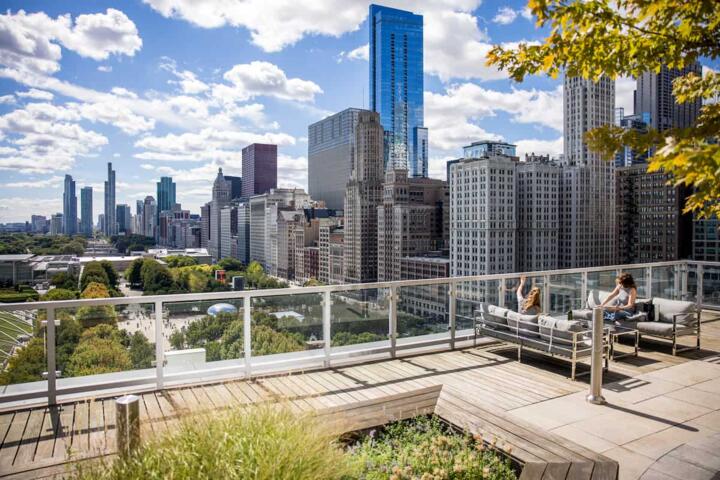
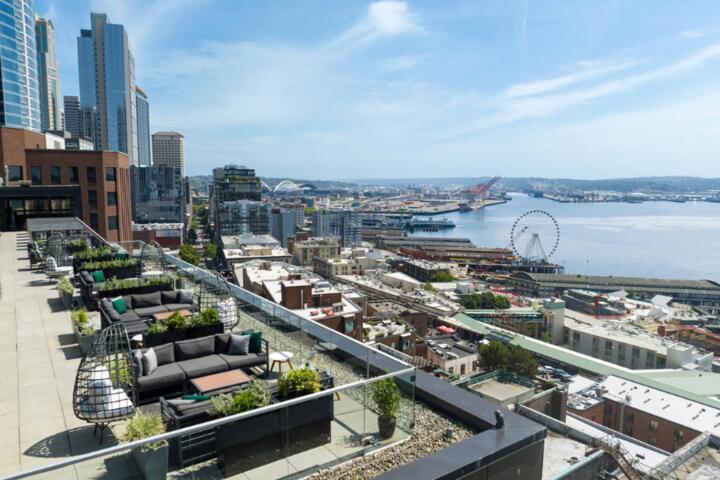
Modern urbanism has shifted from two-dimensional street maps to a three-dimensional appreciation of volume and light. For the seasoned traveler, "seeing the city" no longer means standing in a three-hour queue for the Eiffel Tower or the Empire State Building. Instead, it involves identifying "liminal spaces"—rooftop gardens, corporate atriums, and residential terraces—that offer superior views without the glass-tinted distortion of commercial observation decks.
Take London’s The Garden at 120 as a prime example. While tourists pay £30+ to visit The Shard, savvy visitors head to Fenchurch Street for a free, open-air 360-degree view that places them level with the city’s skyscrapers rather than hovering clinical distances above them. In New York, the rise of "privately owned public spaces" (POPS) has opened dozens of elevated plazas that remain unknown to 90% of the city's annual 60 million visitors. Statistics from urban planning boards suggest that accessible rooftop green space in major cities has increased by 15% since 2020, driven by sustainability mandates and a desire for outdoor air.
Why Sightseeing Fails
The primary failure of standard urban tourism is the "aquarium effect." When you visit a mainstream observation deck, you are often encased in thick, reflective safety glass that makes professional photography nearly impossible due to glare and color fringing. You are paying for a curated, sanitized version of the skyline shared with hundreds of others, which strips away the sense of discovery that defines true travel.
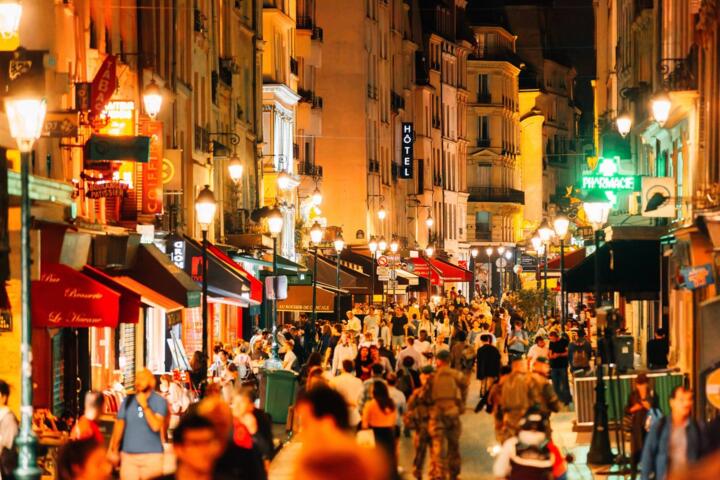
Furthermore, many travelers rely on outdated blog posts or top-10 lists that lead them to locations already saturated by social media crowds. This results in "scenic fatigue," where the effort to reach a location—security lines, high entry fees, and elbowing for a photo—outweighs the aesthetic reward. In cities like Tokyo or Paris, the most authentic views are often found at the 10th-floor level, where you can still hear the hum of the city and see the detail of the gargoyles or neon signs, rather than the 100th floor where everything becomes a miniature grid.
Elite Vantage Strategies
Leveraging Corporate Hospitality and Public-Access Laws
Many of the world's most impressive views are hidden inside mixed-use skyscrapers. In the City of London or New York’s Financial District, planning permissions often require developers to include public viewing galleries in exchange for building higher. Use tools like the POPS Database for NYC or the official City of London Planning Portal to find these "hidden" floors. These spots are often free but require advance booking, which acts as a natural filter against casual crowds.
The Power of High-Level Hotel Lobby Hopping
Traditional wisdom suggests booking an expensive rooftop bar, but the real "pro" move is identifying hotels with mid-tower lobbies. In Tokyo, the Park Hyatt or the Andaz offer stunning views from their reception areas which are often 40–50 floors up. You don't always need a room reservation; a polite visit to the lounge for a coffee provides the same panoramic access for a fraction of the cost of a suite.
Utilizing Digital Topography Tools
Before landing in a new city, use Google Earth Pro (the desktop version) to analyze building heights and roof accessibility. Look for flat-roofed structures with visible furniture or greenery. Cross-reference these with SunCalc to predict exactly where the light will hit at sunset. This data-driven approach ensures you aren't guessing where the "golden hour" will look best; you are calculating it based on urban geometry.
Navigating the "Reservations-Only" Culture
In cities like Dubai or Singapore, the best views are gated by elite dining. However, many of these venues, such as CE LA VI at Marina Bay Sands, offer "entry vouchers" that are cheaper than the observation deck ticket and can be redeemed for a drink. This transforms a static viewing experience into a luxury social event. Always check the venue’s Instagram "tagged" photos—not their official feed—to see the real-time weather conditions and crowd levels before heading up.
Finding Industrial and Multi-Story Car Park Gems
Some of the most iconic urban shots come from the top levels of multi-story parking garages. In Miami or Los Angeles, these structures are often open-air and provide unobstructed views of the skyline. The 1111 Lincoln Road garage in South Beach is a world-renowned piece of architecture specifically designed to be a viewpoint. These locations are rarely "private," usually free for the first 15 minutes, and offer a gritty, authentic perspective that high-end bars lack.
Capitalizing on Residential High-Rise "Open Houses"
For long-term travelers or digital nomads, attending luxury real estate "open houses" can provide temporary access to the most exclusive terraces in the world. Services like Zillow or Rightmove list high-end penthouse viewings. While this requires a professional appearance, it offers a glimpse into private vistas that are never accessible to the general public or even the highest-paying tourists.
Applied Success Cases
Case Study 1: The London "Sky Garden" Pivot
A photography group initially planned to shoot from the Shard. Facing a £150 bill for five people and restricted tripod use, they switched to 22 Bishopsgate (Horizon 22). By booking the free public access slot three weeks in advance, they secured the highest free viewing gallery in Europe. Result: £0 spend, 50% more time on-site, and higher-quality images due to the floor-to-ceiling glass design and lower crowd density.
Case Study 2: The Bangkok "Vertical Bar" Strategy
A traveler in Bangkok wanted the iconic "Lebua State Tower" view but didn't want to pay $30 for a cocktail in a dress-code-restricted environment. Using local forums, they identified the Octave Rooftop Lounge at the Marriott. By arriving at 5:00 PM (opening time), they secured a front-row seat for sunset. Result: 50% lower costs than Lebua, no "tourist trap" vibe, and a 360-degree unobstructed view of the Sukhumvit district.
Strategic Comparison
| Feature | Commercial Observation Decks | Secret Rooftops / POPS |
|---|---|---|
| Average Cost | $30 – $60 per person | $0 – $15 (or price of a coffee) |
| Wait Times | 30 – 90 minutes | Minimal (with booking) |
| Photography | Glass reflections, tripod bans | Often open-air, more flexible |
| Crowd Density | High (tourist groups) | Low to Medium |
| Experience | Sanitized, "Disney-fied" | Authentic, quiet, exploratory |
| Best For | First-timers, families | Photographers, locals, experts |
Common Exploration Errors
One of the most frequent errors is ignoring the "Glass Reflection" rule. If you are forced to shoot through glass, many people press their lens directly against it, which can scratch the glass or vibrate the camera. The professional fix is a LensSkirt or a simple black hoodie draped over the camera to block interior light.
Another mistake is timing. Most people aim for the exact minute of sunset. However, the "Blue Hour"—the 20 minutes after the sun goes down—is when the city lights achieve a perfect exposure balance with the sky. Arriving at the peak of sunset usually means you've missed the best light for the urban landscape itself.
Lastly, don't overlook weather. A "bad" weather day with low-hanging clouds can actually produce more dramatic "above the clouds" shots in cities like Dubai or San Francisco. Check Windy.com for cloud base altitude; if the clouds are at 300 meters and your rooftop is at 350 meters, you are in for a world-class visual experience that others will skip due to "poor weather."
FAQ
Are secret rooftops legal to access?
Most "hidden" spots mentioned are Publicly Owned Public Spaces (POPS) or commercial venues with public access mandates, making them 100% legal. Always avoid "roof-topping" (climbing fences or breaking locks), which is illegal and dangerous.
How do I find these spots without a guide?
Use the Instagram Location Tag search. Look for photos of a city skyline and check the geotag. Often, the tag will lead you to a specific bar, parking garage, or public terrace that isn't listed in major travel brochures.
What is the best lens for rooftop photography?
While many reach for a wide-angle, a 24-70mm or even a 70-200mm telephoto lens is often better. It allows you to "compress" the city buildings, making the skyline look more dense and impressive.
Do I need to follow a dress code for rooftop bars?
In "Alpha" cities like Singapore, New York, or London, "smart casual" is the baseline. Avoid flip-flops and gym wear. Even if it's a "secret" spot, looking like a guest ensures you aren't questioned by security.
Is it safe to go to these spots at night?
Publicly mandated spaces usually have security and lighting. However, for parking garages or industrial spots, it is always best to go in a pair. Use the Citizen app in US cities to check real-time safety data for the immediate area.
Author’s Insight
In my decade of navigating urban landscapes, I’ve found that the most memorable views aren't necessarily the highest ones. There is a "sweet spot" between the 15th and 30th floors where you are still part of the city's energy but elevated enough to see its patterns. My best advice? Stop looking for "the tallest" and start looking for "the most central." A mid-rise building in the heart of a cluster often provides a more immersive 360-degree feeling than a super-tall tower that looks down on everything like a map. Always carry a small microfiber cloth; you'd be surprised how much a fingerprint on a window can ruin a $2,000 camera setup.
Summary
Mastering the art of the urban vantage point requires a shift from passive consumption to active investigation. By utilizing planning permits, digital topography tools, and understanding the "Blue Hour" window, you can experience the world’s great cities without the interference of crowds or commercial barriers. Start your next trip by researching the POPS database of your destination and aim for the "mid-rise" sweet spot for the most authentic architectural perspective. The city looks different when you aren't fighting for a view; it looks like home.