Understanding Trek Styles
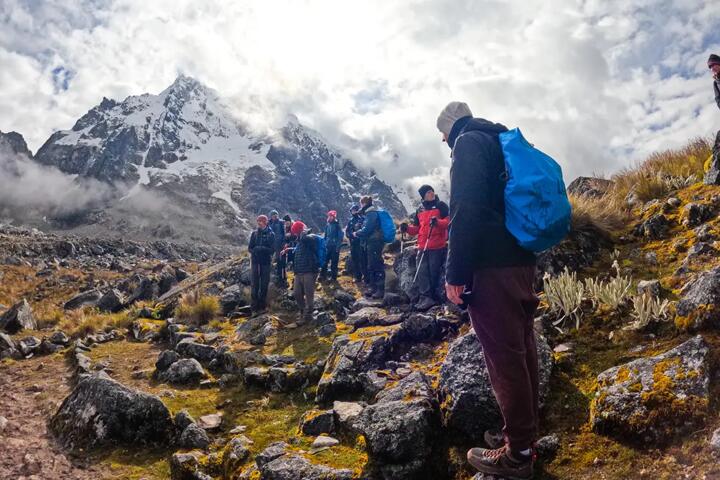
Trekking divides mainly into two categories: guided and self-guided. Guided treks bundle services like local expertise, prearranged accommodations, and navigational support. For example, trekking the Annapurna Circuit through companies such as G Adventures often includes porters, guides, and meal arrangements, relieving hikers from daily logistics.
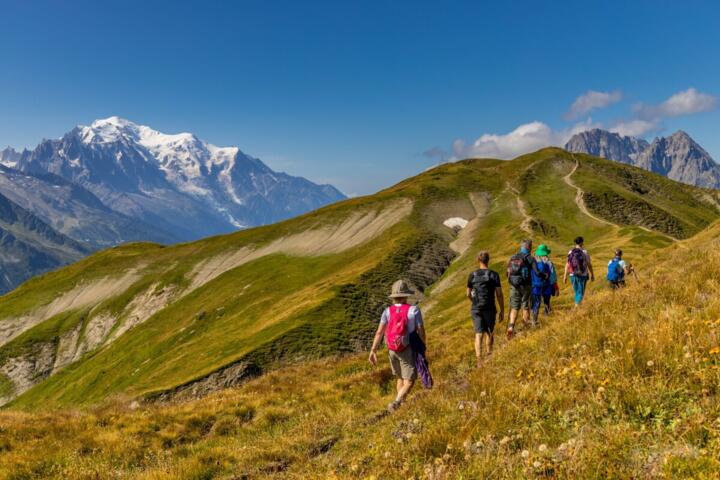
Self-guided treks drop those conveniences and place route planning, navigation, and daily progress entirely in the trekker’s hands. Trails like the Haute Route across the Alps attract self-guided hikers who appreciate freedom. Despite fewer guides available in such cases, recent GPS and offline map apps have shortened the gap.
Trekking remains a massive global activity—estimated at over 3 million annual participants in Nepal alone. Choosing between these two formats significantly alters both expectations and outcomes of any adventure.
Common Trekking Challenges
Many underestimate how critical route knowledge is. A common error occurs when self-guided trekkers pick complex routes without sufficient experience or gear. Risks like getting lost, misjudging terrain difficulty, or mismanaging supplies surface.
Guided treks sometimes darken this risk, but complacency is a pitfall. Relying heavily on guides can dull navigational skills, and communication barriers might cause misunderstanding, even on simpler treks.
Logistical mistakes also abound: booking mismatched accommodations or underestimating daily mileage can lead to exhaustion or missed accommodations, especially in peak seasons. These small errors compound; a missed night reservation may mean sleeping in the cold.
Money becomes a hidden snag, too. Guided treks, especially those offered by established agencies, can cost three to five times more than a self-planned equivalent. However, hidden costs lurk in self-guided treks too—emergency evacuations or equipment failures can spike expenses.
Improve Tactics for Trekkers
Planning Route in Advance
Research detailed trail maps and elevation profiles. Use platforms like AllTrails or specialized guidebooks, which provide distances and waypoints. This preparation reduces surprises and forces realistic daily targets.
Choosing Equipment Smartly
Opt for durable hiking boots with proven waterproofing, such as Salomon’s X Ultra 4. Lightweight sleeping systems, like Therm-a-Rest NeoAir mats, improve comfort. Carry sufficient water treatment options, e.g., SteriPEN or Micropur tablets, to avoid sickness on remote trails.
Using Navigation Tools
For self-guided treks, carry a dedicated GPS device plus downloaded offline maps on smartphones with apps like Gaia GPS. A Poweradd Pilot Pro 3 battery pack often extends device lifetime beyond 10 days, which matters for longer treks.
Hiring Local Assistance
Even on self-guided trips, hiring local porters or guides for challenging sections helps transit heavy loads or tricky terrain. It’s cost-effective and supports local economies. Some companies, such as Intrepid Travel, offer this hybrid approach.
Checking Weather and Permits
Always check local forecasts through websites like MeteoBlue or AccuWeather. Some trails, like Torres del Paine, require permits—skip these and run the risk of fines or being turned back.
Emergency Preparedness
Carry a satellite messenger like Garmin inReach Mini or a PLB to send SOS signals when cellular coverage is absent. This lifts potential rescue times from days to hours.
Travel Insurance
Use insurers focusing on adventure sports, e.g., World Nomads. This covers helicopter evacuations or medical treatment abroad, expenses often totaling $10,000 or higher.
Packing Food and Water
Bring nutritious, dehydrated meals like those from Backpacker’s Pantry tailored for trekking altitude. Augment with energy bars but know daily calorie burn on long days hits 3,000–4,500 calories.
Real Trekking Experiences
A group guided by Exodus Travels on the Inca Trail in 2022 reported zero missed turns and consistent daily progress, thanks to expert local guides. They covered 43 kilometers in 4 days, averaging 10+ miles daily without logistical struggles.
In contrast, a 2021 self-guided trekker on the Pacific Crest Trail over 1,000 kilometers encountered unpredicted weather, forcing detours that added 15% to their mileage. The lack of immediate local support meant slower recovery after injuries, extending the trip by 10 days.
Guided vs. Self-Guided
| Aspect | Guided Trek | Self-Guided Trek | Typical Cost |
|---|---|---|---|
| Navigation | Guide-led, maps provided | Self-reliant, GPS/tools | $1,500–$4,000 |
| Logistics | Arranged by agency | Self-organized bookings | Varies, DIY cheaper |
| Flexibility | Fixed itinerary | Adjust plans anytime | N/A |
| Support | Guide & porters provided | Solo or assisted | N/A |
| Skill Level | Beginner to moderate | Moderate to expert | N/A |
Frequent Trek Errors
Ignoring altitude acclimatization plans baffles many; rapid ascents can cause sickness. Rushing daily distances above personal capacity backfires too—fatigue compromises safety.
Overpacking remains common. Excess weight slows hikers, yet some skimp on essential gear like waterproof layers or sleep systems, inviting discomfort or hypothermia risk.
Some skip insurance or emergency planning, assuming no mishaps will happen; this reckless optimism is dangerous in remote areas.
Lastly, some underestimate trail markings, which often fade or vanish. Taking mental shortcuts by relying mostly on advice from friends instead of updated map data can cause full detours or worse.
FAQ
Is guided trekking more expensive?
Yes, guided treks usually cost three to five times more because they include services like guides, meals, and porters.
Can beginners attempt self-guided treks?
They can, but only on well-marked, accessible trails with simple terrain and proper preparation.
How do I choose between guided and self-guided?
Consider your experience, comfort with navigation, budget, and how much control you want over the itinerary.
Are permits different for guided and self-guided?
Permit requirements apply equally but guided groups often handle permits for you.
What tech helps with self-guided treks?
Offline GPS apps like Gaia GPS, satellite messengers such as Garmin inReach, and digital maps downloaded prior to trekking.
Author's Insight
I've done both guided and self-guided treks across Nepal and Europe. Guided trips granted me local knowledge and convenience, which felt luxurious after a tough day. Self-guided hikes sharpened my planning and problem-solving but required more mental energy. I recommend newcomers start guided, then shift to solo trips after gaining confidence. Always budget for emergencies; the peace of mind is worth extra dollars.
Final Thoughts
Guided treks ease logistical burdens and are ideal for novices or those preferring support. Self-guided treks deliver autonomy, appealing to experienced hikers who favor flexibility. Both require careful preparation—equipment, navigation, and emergency readiness. Choose based on your skills, budget, and expectations, and prepare thoroughly for the trail ahead.