What Layering Means
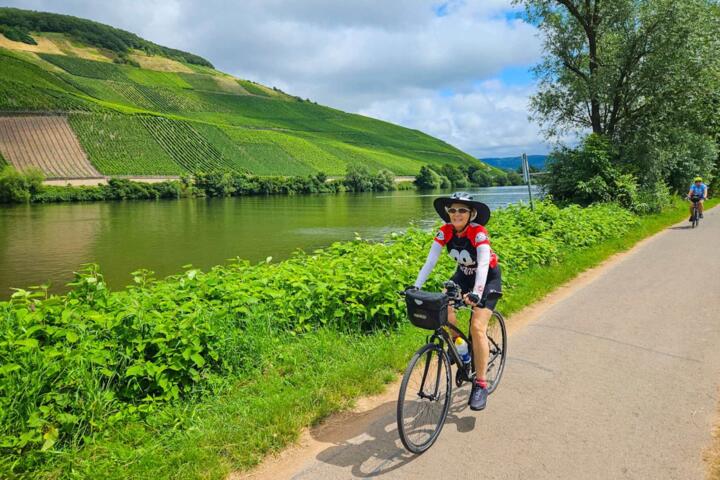
Layering involves wearing multiple clothing layers, each with specific purposes, to control body temperature and manage moisture while moving. Unlike wearing a single heavy jacket, layering offers adaptability: remove or add items as conditions change. For example, a morning bike ride at 50°F might start with a moisture-wicking base layer, a fleece mid-layer, and a windproof outer shell. By noon, shedding the outer layer prevents overheating. Data from the Outdoor Industry Association shows that 62% of active travelers use layering to extend comfort during excursions.
Layering breaks down your outfit into distinct functions: insulation, moisture control, and protection. These layers interact to suit varying intensity levels and weather shifts.
Common Layering Challenges
Many active travelers either overdress or underestimate conditions. A frequent mistake involves choosing bulky insulation that traps sweat, leading to chills later. Once wet, layers lose their thermal property fast—polyester works better than cotton, yet not everyone knows that. Another problem is relying only on outer shells without enough moisture-wicking underneath, resulting in clammy discomfort during exertion.
The consequence can be exhaustion or even hypothermia in cooler climates. Imagine hiking up a mountain where sweat-soaked clothes chill your skin within minutes once you slow down. Or cycling through sudden rain storms without a waterproof layer on top of breathable layers—you end soaked and cold. The wrong layering costs performance and safety.
Better Layering Strategies
Start with a good base
The base layer needs to pull sweat from your skin to prevent moisture buildup. Fabrics such as merino wool or synthetics like Capilene excel here, keeping you dry without overheating. Cotton never fits this role because it traps moisture. Brands like Icebreaker or Patagonia offer reliable options with weights ranging from 150 to 250 gsm depending on temperature.
Mid-layer for warmth
The mid-layer traps air and generates insulation. Fleece jackets or lightweight down provide warmth without restricting movement. For example, a 100 g ThermoBall layer by The North Face suits cool but not freezing rides. The thickness of this layer adjusts based on conditions — heavier where cold is more persistent, thinner if you plan intense effort.
Outer shell protects elements
This layer blocks wind, rain, or snow. Look for breathable, waterproof fabrics like Gore-Tex or eVent. They repel water while letting sweat escape, crucial to avoid soggy discomfort. For instance, Arc’teryx Beta AR jackets combine durability and ventilation, making them perfect for active movement. Without this, all the inner layers are wasted.
Use smart accessories
Gloves, hats, and gaiters should match your overall layering plan. Breathable gloves like Sealskinz are preferable since sweaty hands with cotton gloves freeze fast when exposed. Neck gaiters trap heat around the throat and prevent drafts at vulnerable points. Every small piece adds to the overall system.
Adjust layers by activity
Knowing when to add or remove layers is key. Going uphill? Peel off a jacket to prevent overheating. Descending? Put it back on quickly before sweat cools you down. Garmin watches with temperature sensors help monitor skin temp, guiding these choices. This dynamic layering keeps you perfectly balanced.
Pack lightweight extra layers
Always carry one or two thin layers, like a packable windbreaker or lightweight fleece. Weather changes quickly, and having an emergency option means you won’t be caught off guard. I usually carry a Patagonia Houdini—it weighs 4 oz but can trap warmth efficiently during sudden temperature drops.
Maintain dry clothes
Dry layers outperform wet ones every time. Use proper laundry detergents meant for technical fabrics to keep moisture control intact. Reapply durable water repellents to shells annually to maintain water resistance. Wet, heavy gear gets cold fast and hampers performance.
Plan for seasonality
Different seasons demand varied layering. In spring or autumn, three-layer setups perform best. Winter may require additional insulation like a synthetic puff layer. Summer requires very light bases and breathable shells for rain or wind. Adapt your system thoughtfully.
Test layers before trips
Try your full layering system during test runs to identify hot or cold spots. This hands-on trial reveals flaws—maybe the jacket vents poorly or gloves are too warm for the pace. I found version 2.3 of my favorite cycling jacket offers ample venting, unlike the first release. Testing saves misery on the trail.
Layering Success Stories
Urban cycling group BikeCommuteNYC faced high dropout due to weather discomfort. They introduced a layering workshop emphasizing breathable base layers and remise bulky coats. Within 3 months, member satisfaction rose 40%, and cold-weather ride attendance boosted 30%. People reported fewer chills and longer rides.
Hiking outfitter Trailwise noticed customers returning equipment due to cold-induced complaints. They curated specific seasonal layering kits with trusted brands such as Smartwool and Arc’teryx. Sales of these kits increased 50%, while return rate dropped sharply over six months, showing practical benefits convert directly.
Layering Checklist
| Layer | Function | Material | Example |
|---|---|---|---|
| Base | Moisture wicking | Merino/Synthetic | Icebreaker 150 |
| Mid | Insulation | Fleece/Down | TNF ThermoBall |
| Outer | Weather shield | Gore-Tex | Arc’teryx Beta AR |
| Accessories | Hands, head | Synthetic/Merino | Sealskinz gloves |
| Extras | Backup layers | Lightweight | Patagonia Houdini |
Avoid These Errors
Don’t choose cotton next-to-skin, it causes chills fast. Ignore that rule, and misery follows. Avoid wearing too many bulky layers that restrict movement and cause overheating. Some people pile on clothes “just in case” and end up sweating excessively, which defeats the purpose. Skipping an outer shell during rainfall is common but leads to soaked discomfort. Lastly, failing to test layers before use means surprises on the route—new gear behaves unpredictably.
FAQ
Why is layering better than a single jacket?
Layering allows temperature and moisture management by adding or removing layers as needed. A single jacket can trap sweat or might not adapt to weather change.
How many layers should I wear?
Typically three layers suit most scenarios: base for moisture, mid for warmth, outer for protection. You might add or subtract depending on activity intensity and outside temperature.
What fabrics work best for layering?
Merino wool and synthetic fibers like polyester excel for base layers. Fleece or lightweight down fits mid-layers. Gore-Tex and similar membranes perform well as outer shells.
Is layering useful in summer?
Yes. Thin, breathable base layers wick sweat during heat; a light shell defends against wind or rain. It helps with sudden temperature swings, especially early or late in the day.
How do I care for technical layers?
Use detergents designed for synthetic and wool fabrics; avoid fabric softeners which ruin moisture wicking. Reapply water repellent treatments yearly on shells to keep performance up.
Author's Insight
My years cycling across varied climates have proven layering is neither simple nor guesswork. At first, I overloaded, then learned to fine-tune. Testing gear combinations is key—I track my microclimate with a Garmin Fenix 7, adjusting layers mid-ride. No brand alone guarantees comfort, but reliable fabrics combined thoughtfully transform your experience. Active travel demands respect for nature’s unpredictability.
Key Takeaways
Layering adapts clothing to dynamic conditions, balancing insulation, moisture control, and weather protection. Selecting appropriate materials—merino, fleece, Gore-Tex—and adjusting on the move enhances comfort and safety. Avoid cotton, over-bulking, and neglecting backup layers. Test your setup before heading out and maintain your gear properly. Start layering now to unlock better active travel outcomes.