Snorkeling Basics For Beginners
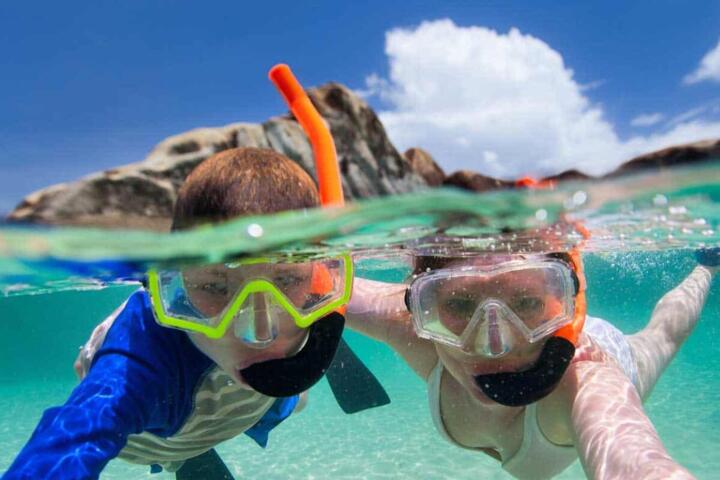
Snorkeling lets you observe underwater life while staying near the surface, usually with a mask, snorkel, and fins. Your breathing stays mostly through the snorkel, while your hands and fins handle direction and speed. A well-fitted mask prevents water leaks and reduces the urge to lift your head to clear it. Fins change how you move, and they also change how quickly you fatigue, especially if you kick too hard or too fast.
Beginner-friendly snorkeling often happens in calm, shallow areas with clear water and a gentle slope. If you can swim comfortably on the surface for several minutes, you already have a foundation. Still, snorkeling adds tasks at the same time: breathing rhythm, buoyancy control, and watching where you place your feet. That multitasking is why planning matters more than gear alone.
Gear choices affect comfort and safety. A snorkel with a purge valve can help clear small water entries, but it also changes how the snorkel sits in your mouth. Many beginners start with a simple J-shaped snorkel and later switch if they dislike the feel. On my last equipment check (I used a 2024 model mask strap with a quick-release buckle), the fit test took longer than expected, mostly because hair and sunscreen residue interfered with the seal.
Common Beginner Mistakes
People often treat snorkeling like floating with a camera, then discover that fins and currents change the effort level. Overexertion is a frequent problem: a strong kick pattern can burn energy quickly, leaving you short of breath. Shortness of breath pushes you to breathe faster, which can lead to panic if you feel you cannot recover at the surface. Another common error is holding your breath while adjusting gear or looking down for longer than a few seconds.
Mask issues create a chain reaction. If the mask leaks, you may instinctively raise your head, which can break your breathing rhythm and pull water into the snorkel. Some beginners also press the mask too hard against the face, which can worsen leaks by shifting the seal. A snorkel that is too long or angled can cause water to enter when you tilt your head, and it can also make it harder to breathe smoothly.
Breathing technique depends on the snorkel and on your comfort with exhaling fully. Many people inhale quickly and forget to exhale, which can increase the urge to surface sooner. Buoyancy control is another dependency: if you float too high, your fins may slap the surface and waste energy; if you sink, you may kick harder to stay up. Instructors often mention that buoyancy is not only about body shape, but also about wetsuit thickness and how much air you carry in your lungs.
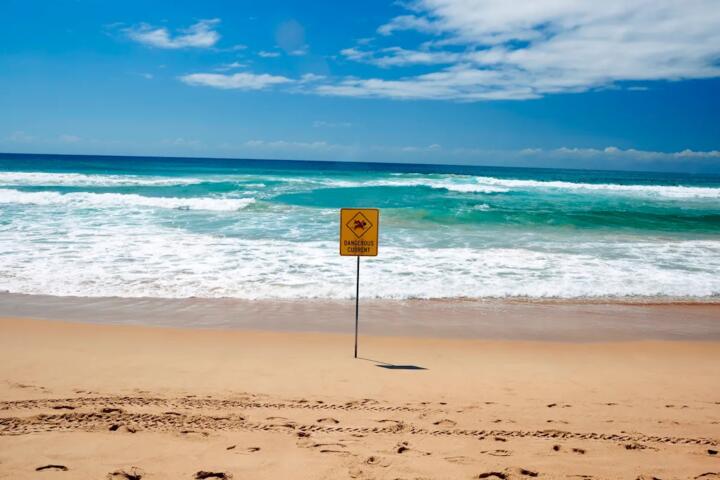
Finally, conditions matter more than confidence. Wind can create chop, and chop can make it harder to keep your face in the water. Even in shallow water, a strong surge can separate you from your entry point. If you plan to snorkel from a beach, check for boat traffic and understand where swimmers are expected to stay.
Gear And Fit That Matter
Choose A Mask That Seals
Test the mask before you enter the water. Place it on your face without the strap, inhale gently through your nose, and hold for a few seconds; a good seal should keep the mask in place without suctioning your skin. If you feel air leaks near the forehead or cheeks, adjust the strap position and try again. A mask that fits one person poorly can fit another person well, so avoid borrowing gear without a fit check.
After you put the mask on, practice clearing it with a small controlled water entry while still in shallow water. This step matters because beginners often freeze when water enters the mask unexpectedly. If your nose pocket feels uncomfortable, you may need a different shape rather than tighter straps. A mild aside: on a trip in May 2023, I noticed that sunscreen residue on the mask skirt reduced the seal even after rinsing, so I wiped the skirt with fresh water before the second attempt.
Pick Fins For Your Kick Style
Fins should match your swimming ability and your comfort with kicking. Long fins can feel efficient for some swimmers but can also increase fatigue if you kick with stiff ankles. Shorter fins can be easier to control, especially for beginners who tend to kick from the knees. If you use open-heel fins, check that your booties fit and that the foot pocket does not rub.
Try a few kicks in waist-deep water before you go farther out. You want a kick that moves you forward without making your legs shake. If you feel cramping quickly, reduce kick force and focus on a steady rhythm. Many beginners improve after switching from a fast, high-amplitude kick to a slower, smaller kick pattern.
Use A Snorkel You Can Breathe Through
Start with a snorkel that stays in position when your head is neutral. A purge valve can help clear water, but it does not replace good head position. If the snorkel mouthpiece feels awkward, you may bite down too hard, which tires your jaw and can distract you from breathing. Practice breathing through the snorkel on the surface with your face in the water, then practice a calm exhale through the snorkel.
Water entry happens even with good gear. Learn a simple response: keep breathing calmly, clear the snorkel if needed, and avoid sudden head lifts. If you cannot clear water without panicking, you are not ready for deeper or longer sessions yet.
Manage Buoyancy And Effort
Buoyancy comes from body position, lung volume, and wetsuit buoyancy. Beginners often float too high and then kick harder to stay oriented, which increases fatigue. Aim for a horizontal posture with your hips near the surface and your gaze slightly downward. If you sink, slow down and adjust your body position before you add more kick.
Effort management is practical: plan shorter sessions at first and stop while you still feel comfortable. A common beginner target is 20–30 minutes of snorkeling in calm conditions, then reassess. If you feel breathless earlier than expected, shorten the next session rather than pushing through. A side observation from a gear log I keep: on 2024-06-14, my best session started after I reduced my kick frequency by about half and focused on slow exhalations.
Educational Case Examples
Scenario 1: Leaky Mask During First Entry. A beginner joins a guided snorkeling trip in shallow water. After 2 minutes, they notice water in the mask and start lifting their head to clear it. The guide has them stop, adjust the strap, and practice clearing the mask in place. The beginner then snorkels with a slower kick and stays neutral, finishing the session without rushing to the surface.
Scenario 2: Fatigue From Overkicking. A family group enters a calm bay with clear visibility. One adult uses strong, fast kicks to “keep up,” then feels short of breath and drifts farther from the group. The guide brings them back to a resting position near the surface, has them slow the kick to a steady rhythm, and suggests a shorter loop. The adult completes a shorter route and reports less breathlessness on the next attempt.
Checklist For Safer First Sessions
| Decision Point | Beginner-Friendly Choice | What To Avoid | Quick Check |
|---|---|---|---|
| Water conditions | Calm surface, gentle slope, clear entry/exit | Chop, strong surge, unclear swim boundaries | Watch waves for 5 minutes before entering |
| Mask fit | Seal holds with gentle inhale through nose | Leaks that force repeated head lifts | Practice clearing in waist-deep water |
| Snorkel breathing | Comfortable mouthpiece, steady exhale | Jaw clenching, panic when water enters | Breathe through snorkel before swimming |
| Effort pacing | Short session, steady kick rhythm | Long sessions that end in breathlessness | Stop while you still feel in control |
Common Mistakes To Avoid
Skipping a fit test is the most common preventable issue. A mask that seals on land can leak after you swim because strap tension changes and water pressure shifts. Rushing the first entry also increases the chance of water in the snorkel and mask at the same time, which can overwhelm beginners.
Another mistake is ignoring fatigue signals. If your legs start to shake or your breathing becomes irregular, you are already spending more energy than you planned. Pushing through often turns a manageable session into a survival-focused one, and that is when decision-making gets worse. Stop early, rest at the surface, and shorten the next attempt.
Beginners also underestimate sun exposure and dehydration. Long surface time increases UV exposure, and saltwater can dry skin and eyes. Use reef-safe sunscreen when appropriate for your location, reapply as directed on the label, and drink water before and after. If you wear contact lenses, consider that saltwater and mask leaks can irritate eyes; many people switch to prescription swim masks for comfort.
Finally, do not assume that “shallow” means “safe.” Shallow water can still have currents, rocks, and boat traffic. If you cannot clearly identify a safe exit route, stay closer to shore and follow local guidance.
FAQ
How long should a beginner snorkel?
Start with short sessions such as 20–30 minutes in calm conditions, then extend only if you finish without breathlessness, mask leaks, or leg cramps.
Do I need to know how to swim to snorkel?
Comfort swimming on the surface for several minutes is a practical baseline. Snorkeling adds gear handling and breathing tasks, so surface confidence matters.
Why does water keep getting into my mask?
Most leaks come from poor seal fit, strap placement, or residue on the mask skirt. Refit the mask and practice clearing in waist-deep water before going farther.
What should I do if I feel panicky while snorkeling?
Stop moving, keep your face in the water if possible, breathe steadily through the snorkel, and signal for help. If you cannot calm down quickly, exit and rest.
Can I snorkel with a wetsuit or rash guard?
Many beginners use a wetsuit or rash guard for warmth and comfort. Wetsuits change buoyancy slightly, so adjust posture and pacing rather than kicking harder.
Author's Insight
Beginner snorkeling safety depends on a small set of controllable factors: fit, breathing rhythm, and pacing. Gear matters, but it works only when you practice in shallow water and when conditions match your skill. If you plan a first trip, treat the first 5–10 minutes as a test run rather than a “start of the real session.” Local rules and guide instructions should override personal assumptions about currents, entry points, and swim zones.
Key Takeaways
- Fit your mask and practice clearing it in shallow water before you swim farther out.
- Use a snorkel you can breathe through calmly, with steady exhale, not rushed inhalation.
- Control effort with a slower kick rhythm and shorter sessions; stop while you still feel in control.
- Choose calm, clear conditions and a known exit route, since shallow water can still be hazardous.
- Plan for sun and dehydration, and exit early if breathing or balance feels off.