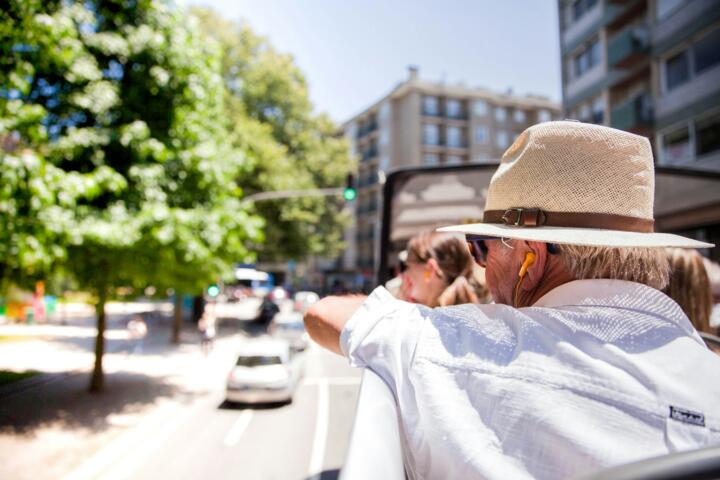
Walking vs Bus Tours
Exploring a city on foot reveals details that buses skim past or never even see. Walking tours shrink distances, letting you soak up local sounds, smells, and micro-moments lost at 20 mph. In London, for example, a 2-hour walking tour can cover 3 miles packed with hidden courtyards, street art, and small alley cafés missed by buses zooming the main thoroughfares. Studies show about 65% of tourists remember experiences better when they involve active participation rather than passive views, which walking encourages.
Buses cover more ground quickly, but they often stop at only the most famous landmarks. Walking creates intimate connections to neighborhoods and stories that no bus route can replicate. I once took a walking tour in Lisbon's Alfama district; none of its narrow streets or local vendors would have been accessible by bus, and we ended up eating at a family-owned restaurant with no signs just because the guide spotted it off a sidestreet.
Where Bus Tours Fall Short
Many travelers expect bus tours to deliver convenience. But buses struggle with city congestion, traffic delays, and fixed itineraries that lack flexibility. Because routes are pre-set, visitors often never get a chance to linger where they'd like or veer from the script. Noise from engines, other tourists crowding the deck, and obstructed views behind window reflections frequently degrade the experience.
Tourists miss the street-level authenticity. Without the chance to pause and ask locals questions or absorb sensory details, the experience becomes generic. In cities like Venice or Amsterdam where alleys and canals demand lighter foot traffic, buses are impractical or banned altogether. Even in bus-friendly cities like New York, the gridlocked streets mean stops are far apart and walking remains the only way to grasp the neighborhood vibe.
Strategies to Explore Cities
Choose local guides with expertise
Local insiders reveal the city’s quirks and hidden gems ignored by big companies. They typically guide smaller groups that move at a walking pace, creating space for questions and detours. In Barcelona, small walking tours led by residents routinely feature in-depth histories of Gothic architecture, tapas spots, or the evolution of public squares. On Viator or GetYourGuide, make sure to pick guides rated above 4.8 stars for authentic insights.
Focus on neighborhoods, not landmarks
Exploring neighborhoods like NYC’s Williamsburg or Paris’s Marais on foot lets travelers engage with everyday city life: independent boutiques, street musicians, and artisans. Bus tours package landmarks but miss these textures. Walking lets you decide whether to dwell 10 minutes or an hour in any spot, adapting to mood and interest.
Use audio guides to augment walking
Several apps provide narrations synced with GPS — e.g., Rick Steves’ Audio Europe or GPSmyCity — so tourists learn while keeping flexible schedules. This combines freedom of movement with curated storytelling. You’re not tethered to a bus timetable nor dependent on a single guide’s pace.
Prioritize early-morning or late-evening walks
During those quiet hours, city streets reveal hidden calm, fog, or light that buses never experience in traffic jams. Walking tours highlight shifting atmospheres, colors, and city rhythms usually drowned in daylight crowds. Plus, fewer tourists mean more personal space to explore in places like Kyoto’s Gion district or San Francisco’s Chinatown.
Combine walking with public transit
Walking limited sections and hopping public transit for far stretches maximizes coverage without losing access to hidden spots. In Berlin, for instance, combining U-Bahn rides with walking loops in Kreuzberg makes the city manageable and rich in experience. This also reduces carbon footprint compared to private buses.
Choose walking tours with small groups
Groups capped below 10 foster conversation, flexibility, and an unhurried pace. Big tour buses may pack 30 to 50 people, muffling interaction and making site visits feel rushed. Brands like Context Travel specialize in small groups guided by scholars, presenting deep dives rather than overview glances.
Wear comfortable shoes and dress for weather
Walking demands practical preparation. Uncomfortable shoes can ruin the day, as can overheating or sudden rain. Planning ahead for weather and terrain — cobblestones, hills, or bridges — prevents interruptions and keeps energy high. Always pack a compact water bottle; hydration makes walking nonstop for 2–4 hours manageable.
Engage with locals along the way
Speaking with shop owners, street vendors, or residents adds layers that no audio or guidebook duplicates. Asking questions about neighborhood history or crafts can lead to spontaneous invitations or insider tips. These interactions often happen on foot but rarely on buses, where guidelines discourage off-route stops.
Review and map routes before tours
Knowing the layout and highlights helps set expectations and find personal points of interest quickly. Tools like Google Maps with saved pins or specialized apps like Detour (version 3.5 released 2022) provide offline access and extra media content. This minimizes confusion and boosts confidence in independent walking excursions.
City Tour Case Examples
Context Travel’s walking tours in Rome faced declining interest in 2019 because of overcrowded bus tours hogging major destinations. They redesigned their routes into small groups focusing on lesser-known neighborhoods like Trastevere and Aventine Hill. Within six months, bookings rose 40%, with customer feedback praising deeper connection and less crowding.
In San Francisco, a startup called WalkSF launched late 2021 offering combined walking and public transit discovery tours emphasizing local businesses and art scenes. Early data showed 30% more bookings over classic bus tours and a 25% higher net promoter score (NPS). Client reviews noted ""buses miss the community pulse"" and appreciated the asynchronous self-paced app content paired with live local guides.
Tour Types Compared
| Feature | Walking Tour | Bus Tour | Hybrid |
|---|---|---|---|
| Average Speed | 3 mph | 12-20 mph | Varies |
| Group Size | 5-15 | 30-50 | 10-20 |
| Flexibility | High | Low | Medium |
| Immersion | Strong | Weak | Moderate |
| Coverage | Limited radius | Extensive | Extended |
| Date of Rise | Since 1990s | Since 1950s | Since 2010s |
Typical Errors to Dodge
Tourists often overestimate what a bus tour can deliver and end up feeling rushed or disappointed with surface-level views. Choosing a bus expecting to cover every city nook won’t work because of traffic and route limits. Another mistake: not checking if a walking tour fully aligns with your interests or fitness level, leading to exhaustion or boredom.
Overscheduling both bus and walking tours in a single day backfires. You save time, reduce noise, and the inbox stops winning when you pace yourself. Finally—assuming you don’t need maps or apps to supplement tours leads to missed chances; even the best guides can’t cover every hidden alley spontaneously.
FAQ
Are walking tours suitable for all ages?
Most walking tours range from 2-4 miles, suitable for teens and adults in average health. Some companies offer gentler, shorter loops for seniors or families with kids.
How do I choose a good walking tour guide?
Look for guides with local credentials or positive reviews above 4.8 stars. Personalizable tours with small groups usually mean more authentic experiences.
Can I do a walking tour independently?
Yes, apps like VoiceMap or Detour allow self-guided tours, though you miss live Q&A benefits and social interaction.
Do bus tours cover bigger areas?
Yes, but the windows and traffic often limit visibility. Buses focus on landmarks, skipping neighborhoods where local culture thrives.
What about weather concerns for walking tours?
Check forecast, dress in layers, and bring rain gear. Many companies offer cancellations or reschedules in bad weather conditions.
Author's Insight
I've led walking tours across cities like Amsterdam and Kyoto and found that the best memories form when clients stop to chat with locals or linger at quiet cafés. The pace of walking—slow enough for curiosity, fast enough to cover key sights—creates a rhythm buses can’t match. I recommend anyone skip buses when exploring dense historic areas; you miss too much. For good measure, I always carry a paper map and a backup battery for apps; technology trips up at the worst times.
Summary
Walking tours deliver intimacy and cultural depth buses struggle with due to traffic constraints and fixed routes. Choosing curated, small-group walking tours or self-guided apps reveals neighborhoods and everyday life invisible to buses. Prioritize early starts, prepare physically, and engage with residents to enrich your experience. These tactics turn city visits into vivid, memorable journeys instead of rushed checklists.