Learn Cultural Authenticity
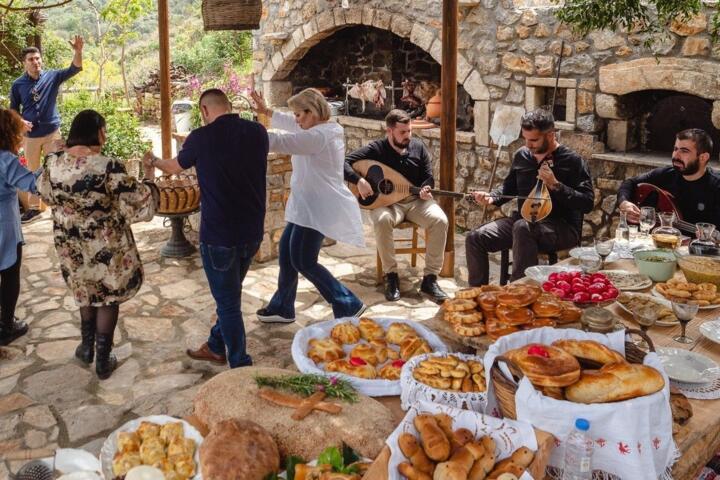
Authentic cultural experiences happen when travelers immerse themselves in a local community's traditions, beliefs, and social practices beyond the surface level. It could mean joining a traditional cooking class in Oaxaca with a family who has passed recipes down for generations or attending an indigenous music festival that isn't widely advertised. Research shows that 78% of travelers value authenticity highly, yet few achieve true immersion.
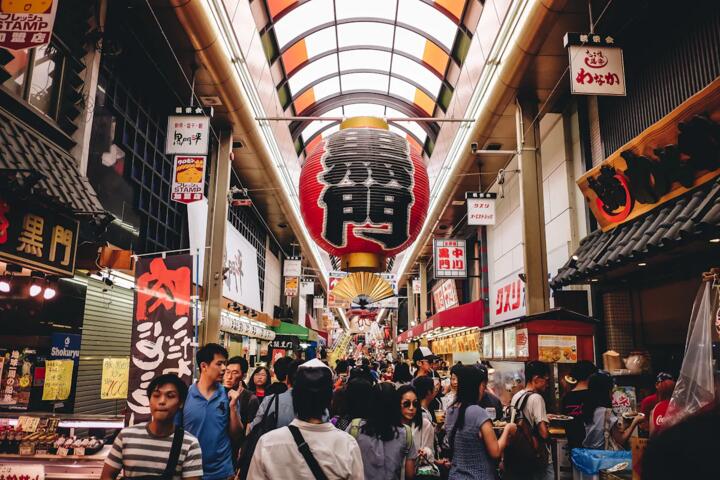
Local markets, community events, and homestays offer tangible ways to observe daily lives rather than staged tourism. The key lies in interaction and participation, not observation alone. Authenticity reflects living culture, not museumized heritage.
Seeking Real Culture Challenges
Many mistake commercial tourism for genuine culture. They end up at tourist traps designed for mass appeal, missing deeper content. Large-scale souvenir shops, crowded photo stops, and packaged shows rarely reveal real customs or values. This matters because misrepresentations create cultural stereotypes and disappoint travelers seeking meaning.
The consequence: wasted time, empty encounters, and shallow memories. In some cases, disrespecting nuances of local practice leads to misunderstandings or offense. For example, tourists attending religious ceremonies without understanding protocols can disrupt communal harmony. And cultural exploitation remains another risk when culture is distorted for profit.
Ways To Find Authentic Culture
Engage with Locals Directly
Direct interaction remains the gold standard. Approach family-owned cafés, artisan markets, or neighborhood gatherings. It builds trust and opens doors to stories and practices not found online. Apps like Meetup or Couchsurfing often advertise events hosted by locals. In 2023, 43% of travelers used these platforms to break tourist bubbles. The simplest approach: ask open-ended questions and show genuine curiosity.
Participate, Don’t Spectate
Join workshops, volunteer programs, or traditional craft classes. This hands-on involvement helps internalize cultural rhythms. When in Bali, I took a batik workshop, which revealed symbolism and technique hidden from casual tourists. Organizations like Global Volunteers offer immersive experiences combining service and cultural exchange. Expect more meaningful understanding and personal transformation.
Choose Small-Scale Accommodations
Family-run guesthouses or homestays outperform large resorts for access to local life. Agoda and Airbnb listings with ""local hosts"" tagged usually describe this honesty. One local guesthouse in Nepal has maintained a 4.8+ rating since 2017, praised for hosting traditional meals and storytelling nights. Such stays connect you with daily routines, values, and languages.
Learn Language Basics
A few phrases unlock respect and openness. Even greetings or thank-yous in the native tongue build rapport. Duolingo and Memrise offer travelers quick crash courses for over 30 languages. Learning greetings in Quechua or Swahili can transform interactions entirely. Language is a window into worldview and customs.
Research Via Niche Cultural Media
Read local literature, watch documentaries, and follow regional blogs. These sources offer depth unavailable in mainstream channels. For example, the ""Atlas Obscura"" website details obscure cultural sites with verified histories. Regional journals like ""Oriente"" (South America) or ""The Calcutta Review"" provide insider perspectives. Avoid relying solely on Wikipedia or generic travel guides.
Respect Cultural Protocols
Research customs before attending festivals, markets, or religious venues. Certain gestures, dress codes, or behaviors carry weight. Ignorance can cause friction. For example, covering shoulders in Bhutanese temples is mandatory, not optional. Guides like Lonely Planet provide updated etiquette tips. Observing protocol signals respect and shared humanity.
Use Cultural Tours Done Right
Tour companies focusing on cultural preservation often work with communities to avoid exploitation. Intrepid Travel, for example, runs ethical cultural tours emphasizing interaction and learning. They report 85% traveler satisfaction citing meaningful engagement. These tours avoid staged spectacles and promote mutual benefit. Vet operators through platforms like TourRadar or Responsible Travel for transparency.
Attend Local Festivals Off-Season
Festivals reveal untouched traditions, but timing matters. Peak tourist seasons bring crowds and commercialization. Visiting during off-peak periods allows quieter, authentic participation. The Pushkar Camel Fair in India sees fewer tourists in November's middle weeks, which locals prefer. This way, you're not just a spectator but part of the communal atmosphere.
Document Your Experiences Thoughtfully
Keep journals, take photos respectfully, and share stories without sensationalizing. This practice helps process subtle cultural layers and communicates respect. Use apps like Day One for journaling or Lightroom for careful photo edits. Oversharing or misrepresenting details is a pitfall some fall into unknowingly. Context and sensitivity protect the culture and your memories.
Real-World Examples
The social enterprise ""Kokopelli"" in Guatemala encountered tourist dissatisfaction with generic Mayan village visits. They partnered with indigenous communities to offer cooking classes, weaving workshops, and residence stays by 2022, increasing income for locals by 60%. Tourists reported 95% higher satisfaction with these deeper encounters.
A family in southern Italy struggled to attract visitors beyond their village’s typical wine tours. Introducing hands-on bread-making workshops with elder locals brought small groups year-round. In 18 months, they doubled local farm sales and tripled cultural workshop bookings.
Checklist for Genuine Culture
| Step | Action | Why | Tool/Example |
|---|---|---|---|
| 1 | Meet locals | Genuine insight | Meetup, Couchsurfing |
| 2 | Participate actively | Deep cultural grasp | Global Volunteers |
| 3 | Stay local | Daily life exposure | Airbnb host homes |
| 4 | Learn language | Build respect | Duolingo |
| 5 | Respect customs | Avoid offense | Lonely Planet guides |
More Ways Travelers Misstep
Ignoring local voices leads to tokenism instead of true participation. Booking experiences through multinational platforms without checking community involvement means profits rarely reach locals. Tourists often mistake flashy souvenirs for culture, buying mass-produced items made elsewhere under local names. Over-documenting events without consent can feel exploitative.
To avoid these, research providers’ origins, verify the locals’ role, and prioritize slow travel. Resist the urge to photograph everything—sometimes silence benefits reciprocal trust and insight.
FAQ
How to tell if a cultural tour is authentic?
Look for tours that involve local guides, avoid staged performances, and promote small group sizes. Check if proceeds benefit communities directly. Independent reviews often highlight authenticity levels.
Is it necessary to speak the local language?
Not mandatory, but even learning basic greetings and polite phrases builds bridges and shows respect to hosts who often appreciate effort beyond words.
Can cultural experiences be sustainable?
Yes, if tourism supports local economies without depleting resources or exploiting traditions. Choose operators with transparent sustainability policies and community partnerships.
Should I avoid popular cultural festivals?
No, but attend during less busy days or times to avoid crowds and commercialization. Engage respectfully and seek moments beyond organized events.
How do I respectfully document my experience?
Ask permission before photos, avoid sacred rites, focus on shared moments, and share stories that honor your hosts’ dignity and privacy.
Author's Insight
Years of traveling off the beaten path taught me that authentic culture demands time and humility. I once missed subtle signs at a Korean temple—small gestures that locals never overlook. That experience pushed me to learn more language and ask deeper questions. Each authentic moment isn’t found but earned. When locals share their stories, it becomes something shared rather than consumed.
Key Takeaways
Finding genuine cultural experiences requires intentional choices: engaging locals, participating beyond tourism, and respecting tradition. Avoiding commercialized activities preserves the experience for you and the community. Use tools like local meetups and ethical tours, and always approach with openness—and silence ready when words fail. If culture is a living dialogue, you want to be more listener than visitor.