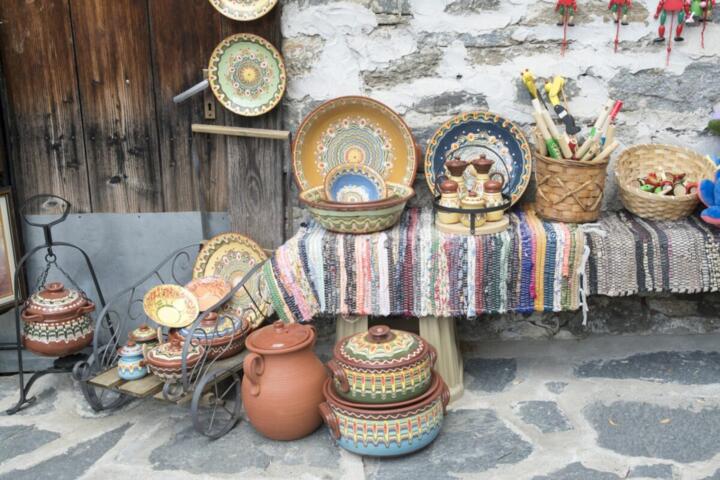
Supporting Local Artisans
Local artisans make goods using skills that often pass through families and communities. Responsible support means your money reaches the people who do the work, your purchases do not encourage harmful labor practices, and your expectations match how handmade production actually works.
In travel settings, you may encounter workshops, market stalls, and gallery counters that sell similar items. The same-looking product can have very different supply chains: one piece may be made by the seller’s household, while another may be assembled from imported components. Your goal is to reduce guesswork by using specific questions and simple checks.
For example, a woven textile can involve multiple steps such as dyeing, spinning, weaving, and finishing. If a seller cannot describe those steps or the timeline, you may be buying a resold item rather than supporting the maker. That does not automatically make the purchase wrong, but it changes what your support is doing.
Responsible support also includes how you handle returns, bargaining, and photography. A photo request can be harmless, or it can expose a studio’s workflow if the maker relies on confidentiality for certain designs. A clear agreement before you photograph or share images reduces friction for both sides.
Common Problems And Pain
People often assume that “local” on a sign means the seller made the item. Many markets include resellers, wholesalers, and agents who source from multiple regions. When you pay only for the final object, you may miss the people who performed the labor.
Another frequent issue is price confusion. Handmade work can take days or weeks, but tourist demand can also inflate prices. If you bargain aggressively without understanding production time, you can push sellers toward shortcuts such as cheaper materials, faster dyeing, or outsourcing parts of the process.
Labor and sourcing risks show up in subtle ways. Some products use materials linked to forced labor or unsafe working conditions, even when the finished item looks traditional. Other products rely on overharvesting of natural resources, such as certain dyes or plant fibers, which can harm local ecosystems and future production.
Supporting technologies matter because they shape what you can verify. Payment rails, receipts, and digital listings can create traceability, but they can also hide intermediaries. A marketplace website that shows a “maker” name may still route orders through a third party, and a cash-only stall can make documentation harder.
Finally, authenticity claims can be misleading. “Handmade,” “traditional,” and “authentic” are not regulated in most places, and sellers may use them loosely. You can still buy responsibly, but you need evidence-based signals rather than slogans.
Practical Advice For Buyers
Ask About Makers And Steps
Ask who makes the item and which steps they personally perform. Useful questions include: “Do you spin or weave this yourself?” “Where do the dyes come from?” “How long does one piece take from start to finish?” If the seller answers with specific process details, you get more than a marketing script.
When you visit a workshop, look for work-in-progress rather than only finished inventory. A studio that shows dye pots, looms, or drying racks often indicates active production. If the seller has none of that and only sells finished goods, you may be dealing with a reseller.
For online purchases, request a short video or photo of the maker’s hands at work. Many sellers can do this with a phone camera, and you can ask for a timestamped clip. A version number on a listing app or a date on a receipt can also help you track what you bought later, which matters if you need to resolve a dispute.
Choose Fair Payment And Paperwork
Pay in ways that create a record when possible. Credit cards and bank transfers often provide dispute pathways, while cash usually does not. If you pay a deposit for custom work, ask for a written agreement that states the item description, timeline, and refund or cancellation terms.
Receipts matter even for small purchases. Keep a photo of the receipt and the seller’s name, and note where you bought the item. On one trip in 2024, I saw a craft stall offer a simple paper receipt with a contact email; that small detail later helped a buyer confirm the origin when the item was questioned by a customs officer.
Be cautious with “guaranteed authenticity” claims that come with no documentation. A certificate can be helpful, but it should name the maker, describe the materials, and state who issued it. If the certificate is generic or missing dates, treat it as marketing rather than proof.
Respect Culture, Privacy, And Craft
Ask before photographing people, workshops, or sacred motifs. Some designs may be restricted to certain groups or ceremonies. If a seller declines, accept the boundary and focus on learning through conversation.
When bargaining, aim for a respectful range rather than a dramatic reduction. Handmade pricing often reflects material costs and labor time, and a sudden low offer can pressure sellers to cut corners. If you want to negotiate, ask what drives the price: fiber type, dye method, number of weaving knots, or the time spent on finishing.
Also consider how you transport and care for the item. Natural dyes and fibers can be sensitive to heat and moisture. If the seller provides care instructions, follow them; if they do not, ask. A small care card can prevent damage that would otherwise waste the maker’s work.
Check Materials And Environmental Impact
Ask about materials and dye sources, especially for textiles, wood carvings, and leather goods. Responsible sellers can explain whether materials are locally sourced, recycled, or purchased from regional suppliers. If they cannot answer, you may be relying on assumptions.
Look for signs of environmental harm. For example, some dyes require specific plants or minerals; if the seller describes a dye method that depends on scarce resources, ask how they manage supply. For wood items, ask whether the wood comes from legal sources and whether the seller can provide basic documentation.
For products with animal materials, ask about origin and whether the seller can explain sourcing. If the seller refuses to discuss it, treat that as a red flag. You can still buy other items from the same market, but you should avoid the materials you cannot verify.
Educational Case Examples
Scenario 1: Textile stall with mixed sourcing. A traveler visits a market where multiple stalls sell similar scarves. One seller explains the dye process, shows yarn drying, and states that weaving takes about two days per scarf. Another seller sells identical scarves but cannot describe dyeing or weaving and offers only a generic “handmade” label. The traveler buys from the first seller and asks for a receipt with the maker’s name, then keeps the care instructions for later.
Scenario 2: Online purchase from a “local brand.” A buyer orders pottery from a website that lists a town name but not the individual maker. The buyer messages the seller and requests a short video of the potter throwing the clay and a photo of the studio workspace. The seller provides a dated clip and a receipt showing the maker’s name. The buyer pays by card to preserve a dispute option if the shipment arrives damaged.
Checklist For Responsible Support
| Decision Point | What To Look For | What To Ask | Why It Matters |
|---|---|---|---|
| Maker identity | Name of the person or household that makes the item | “Who makes this, and which steps do you do?” | Reduces the chance you pay an intermediary |
| Process evidence | Work-in-progress, tools, or dated production photos | “Can you show the current stage of making?” | Handmade claims become testable |
| Materials | Clear fiber/wood/metal sources and dye method | “Where do the materials come from?” | Helps avoid harmful sourcing |
| Payment record | Receipt, invoice, or traceable payment method | “Can I get a receipt with the maker’s name?” | Supports dispute resolution and accountability |
| Respect boundaries | Consent for photos and sharing | “Is it okay if I photograph this?” | Protects privacy and cultural rules |
If you want a quick step-by-step approach: ask about maker identity, confirm process evidence, check materials, request a receipt, and agree on photography rules before you pay. When one step fails, you can still purchase, but you should adjust expectations about where your money goes.
Common Mistakes To Avoid
Buying the first item that looks traditional without checking who made it is the most common mistake. A market can display many similar designs, and the seller may not be the maker.
Overbargaining based only on tourist price expectations can push sellers toward faster production. If you want to negotiate, ask what changes in quality or materials at different price points.
Assuming “handmade” means “ethically made” creates avoidable blind spots. Handmade production can still involve unfair labor or unsafe conditions. You need process clarity and material transparency, not just a label.
Skipping receipts and contact details makes it harder to resolve problems. Keep a record even for small purchases, especially if you plan to ship items home.
Sharing photos publicly without consent can harm artisans who rely on exclusivity for certain designs. A short check before posting prevents misunderstandings that are hard to undo.
FAQ
How can I tell a maker from a reseller?
Ask who performs key steps and request process evidence like work-in-progress photos or a short video. A reseller often describes the product but cannot explain the production stages in detail.
Is bargaining always harmful?
Bargaining becomes harmful when it pressures sellers to cut corners or when it ignores labor time. A better approach is to negotiate with questions about materials and finishing, then agree on a fair price range.
What payment method is safest for travelers?
Card payments and bank transfers usually create a record and may offer dispute options. Cash can work for small, low-risk purchases, but it limits documentation if something goes wrong.
Should I buy only “certified” products?
Certifications can help when they name the maker and materials, but many craft claims lack formal verification. Use receipts, maker identity, and material explanations as your primary checks.
How do I handle shipping and customs responsibly?
Keep receipts and product descriptions for customs forms. If the item uses regulated materials, ask the seller for any available documentation before shipping.
Author's Insight
Responsible support for artisans depends on traceability, not slogans. Clear maker identity, process evidence, and material explanations reduce the chance that your purchase funds intermediaries or harmful sourcing.
Receipts and payment records matter because they create accountability if an item arrives damaged or misrepresented. A dated invoice or a contact email can be more useful than a generic “authentic” claim.
Environmental and labor risks vary by product type and region, so the safest approach uses specific questions rather than broad assumptions. When a seller cannot answer basic details, you can choose a different item or a different stall.
Key Takeaways
- Ask who makes the item and which steps they perform, then look for work-in-progress evidence.
- Use payment and paperwork that create a record, especially for deposits and shipping.
- Check materials and dye or sourcing methods when the product type makes harm plausible.
- Respect boundaries for photography and sharing, and negotiate with questions about labor time.