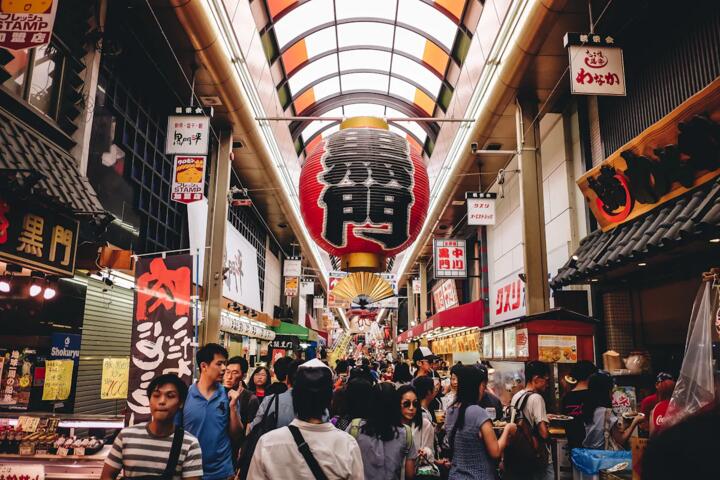
Food As Cultural Evidence
Food carries information that rarely appears in brochures: local ingredients, trade routes, religious rules, and household routines. A menu can show what a community values, while cooking methods reveal available tools and time. Even the order of courses often maps to social structure, such as who eats first and how long meals last.
Consider a simple example: a region with limited refrigeration tends to favor pickling, smoking, drying, and quick cooking. Those techniques also shape taste preferences, like sourness in fermented foods or smoke notes in preserved meats. When you notice those patterns, you’re reading practical adaptation rather than “exotic flavor.”
Food also signals identity through language. Terms for staples, spices, and sauces often have older meanings tied to migration and local history. In some places, the same ingredient appears in different dishes with different names, which helps explain why travelers feel “the same food” tastes different across neighborhoods.
Health and culture intersect through everyday choices too. Portion size norms, meal timing, and staple foods influence average nutrient intake. Public health guidance often targets salt, sugar, and saturated fat, but cultural context shapes how people interpret those recommendations.
Common Misreads And Dependencies
People often treat food as pure preference, then miss the systems behind it. A dish may look “simple” while relying on fermentation, curing, or long simmering that depends on temperature control and hygiene practices. When those dependencies change, the dish changes, even if the ingredients stay the same.
Another frequent misread is assuming that a single national cuisine represents everyone in that country. Many cuisines are regional, and within a city, class and neighborhood can affect access to ingredients and cooking equipment. A street snack and a home meal can follow different rules for cost, speed, and safety.
Religious and ethical rules also create patterns that outsiders may misinterpret. Dietary restrictions can be about ritual purity, fasting calendars, or animal handling practices, not just taste. If you only focus on what’s missing from a dish, you may miss the reason it’s missing.
Food safety is a dependency that travelers sometimes underestimate. Preparation surfaces, water quality, and storage time matter as much as the recipe. In many settings, the biggest risk comes from temperature abuse—food left warm too long—rather than from the ingredient itself.
Finally, health claims attached to foods can distort interpretation. Some traditional remedies have plausible mechanisms, but others rely on tradition without strong evidence. When a menu promises “medicinal” effects, treat it as marketing unless you can connect it to known ingredients and documented outcomes.
How To Read Menus Carefully
Ask About Ingredients And Methods
Use short, specific questions that match how kitchens work. “Is this made with dairy?” “Does the broth contain meat?” and “Is it fermented or pickled?” help you understand both allergens and preparation. If you track a concern like lactose intolerance, ask about butter, ghee, yogurt, or hidden dairy in sauces.
When language barriers exist, look for cues like “homemade,” “spiced,” or “slow-cooked,” but verify. A dish described as “grilled” can still be marinated with sugar or honey, which changes how it fits dietary goals. I’ve seen menus where the same word appears in different spellings; a quick clarification saves confusion.
For allergens, remember that cross-contact can happen even when an ingredient is absent. Shared fryers and griddles are common in many casual kitchens, and “vegetarian” does not always mean “no egg or no dairy.” If you have a severe allergy, ask about separate utensils and cooking surfaces, not just ingredient lists.
Use Labels And Portion Cues
In markets and packaged foods, read labels for ingredients, not only front-of-pack claims. Watch for terms that indicate hidden sugars (like syrups) and hidden fats (like “vegetable shortening”). If you’re comparing products across countries, check serving size because nutrition facts often use different gram amounts.
Portion cues also carry cultural meaning. Some cuisines serve small plates meant for sharing, which changes how you estimate calories and sodium. Others serve a large main dish with sides that follow a family-style rhythm. If you’re managing blood pressure or diabetes, ask whether sauces are served on the side; that choice can change sodium intake.
For travelers using apps, note that ingredient databases can lag behind local naming. I once checked a label in a grocery app and got a “version mismatch” warning (the app showed data updated on 2024-11-03), which meant the translation for a spice was unreliable.
Balance Health Goals With Local Norms
Health goals work best when they meet local meal structure. If a culture eats late, a “light breakfast” plan may fit better than forcing an early schedule. If meals are built around a staple like rice, bread, or corn, adjust portions rather than trying to remove the staple entirely.
Salt and oil are common targets, but the method matters. A soup can be high in sodium even when it tastes light, while a grilled item can be lower if the marinade is minimal. Ask whether sauces are homemade and whether they’re added during serving.
Hydration and fiber also connect to food culture. Fermented drinks, herbal teas, and vegetable sides can support digestion for some people, but they can also add sugar. If you’re monitoring reflux or blood sugar, treat “sweet tea” and “fruit drinks” as separate categories from plain tea.
Respect Etiquette Without Guessing
Eating etiquette often signals respect and social roles. In some places, guests wait to be served; in others, the host expects you to take a portion first. If you’re unsure, observe how others handle serving utensils and whether people eat with hands, chopsticks, or forks.
Etiquette also affects food safety. Sharing platters can increase cross-contact, and communal condiments can spread allergens. If you have dietary restrictions, ask for a separate portion or request that condiments be served separately.
When you’re invited to a home meal, bring a simple explanation of your needs. A short statement like “I avoid dairy” or “I don’t eat pork” works better than a long story, and it reduces the chance of misunderstandings.
Educational Case Examples
Scenario 1: A traveler with lactose intolerance orders a “cream-free” pasta in a tourist area. The dish arrives with a cheese garnish and a creamy sauce made from butter and milk solids. The traveler learns that “cream-free” referred to visible cream, not dairy derivatives. A follow-up question about butter and cheese would have clarified it earlier.
Scenario 2: A visitor tries a fermented drink marketed as “healthy” and notices it tastes sweet. The label shows added sugar, and the serving size is larger than expected. The visitor realizes that fermentation changes flavor and acidity, but it does not automatically remove sugar. Checking the ingredient list and nutrition panel would have provided a clearer picture.
Checklist For Cultural Food Reading
| What You Notice | What It Can Indicate | What To Verify | Health Angle |
|---|---|---|---|
| Fermented or pickled taste | Preservation methods and local ingredient cycles | Added sugar, vinegar vs. fermentation, salt level | Sodium and acidity can affect blood pressure and reflux |
| Broth-based dishes | Long simmering traditions and meat or bone use | Meat content, added salt, portion size | Sodium can be high even when broth looks clear |
| Shared platters and condiments | Hospitality norms and social eating | Cross-contact risk and allergen handling | Allergen exposure risk increases with shared utensils |
| Sweet drinks | Cultural preferences and beverage customs | Added sugar, serving size, dilution | Sugar load affects glucose control and energy balance |
Step-by-step approach for your next meal: identify the staple (bread, rice, corn, noodles), ask what flavors come from (spice blend, stock, fermentation), confirm allergens and added sugar, then decide whether sauces are on the side. If you’re managing a medical condition, treat the first meal as a “data collection” run rather than a test of willpower.
Common Mistakes To Avoid
One mistake is treating a single dish as a stereotype for an entire culture. A regional specialty can differ from everyday home cooking, and tourist menus often adapt flavors for unfamiliar palates.
Another mistake is ignoring food safety signals. Long lines can mean popularity, not safety. Look for turnover, clean serving practices, and whether food is kept hot or cold. If a place repeatedly serves food that looks lukewarm, that’s a practical red flag.
People also over-trust “traditional” labels. Traditional preparation can be safe, but it can also vary by household and by ingredient quality. If you have a sensitive stomach, start with cooked foods and avoid raw items until you understand local hygiene practices.
Finally, avoid assuming that “vegetarian” means “no animal products.” Eggs and dairy appear in many vegetarian dishes, and some kitchens use fish sauce or meat-based broths in “vegetable” stir-fries. Ask, then decide.
FAQ
What does food reveal about history?
Ingredients and techniques often reflect trade, migration, and climate. A spice blend, a staple grain, or a preservation method can trace how communities adapted to what they could grow, store, or import.
How can I interpret unfamiliar spices safely?
Ask whether the dish uses spice blends with added sugar or dairy, and confirm allergens if you have them. If you’re trying something new, start with a small portion and avoid combining multiple unknown ingredients in one meal.
Does cultural food always match health advice?
No. Cultural patterns influence average intake, but recipes vary by household and restaurant. Sodium, added sugar, and portion size can conflict with health goals even when ingredients seem “natural.”
How do I handle dietary restrictions while traveling?
Use clear, short statements about what you avoid, then ask about hidden sources like broth, butter, cheese, eggs, and shared fryers. For severe allergies, request separate utensils and cooking surfaces.
What’s the best way to reduce food-safety risk?
Choose places with good turnover and consistent temperature control, prefer fully cooked foods, and be cautious with raw items if hygiene standards are unclear. If you develop severe symptoms, seek medical care rather than trying to “wait it out.”
Author's Insight
Food culture works like a map of constraints: climate shapes ingredients, labor shapes meal timing, and social rules shape who eats what and when. Health outcomes connect to these patterns through portion size, sodium and sugar levels, and food safety practices. The most reliable way to learn is to treat menus as evidence, then ask targeted questions about ingredients, preparation, and allergens.
When you compare dishes across regions, look for mechanisms rather than labels. Fermentation, curing, and long simmering change food chemistry, while refrigeration and storage change safety and texture. A careful reader notices those mechanisms and avoids turning one dish into a whole-country conclusion.
Key Takeaways
- Menus reflect practical systems: ingredients, tools, preservation methods, and social etiquette.
- Verify dependencies behind dishes, especially allergens, added sugar, and broth or stock sources.
- Use portion and sauce cues to align meals with health goals without rejecting local norms.
- Food safety depends on handling and temperature control, not only on how “traditional” a dish sounds.