Cultural Immersion 101
Living culture is a sociological phenomenon where traditions, languages, and rituals are practiced naturally by the local population rather than staged for visitors. Unlike "museumified" cities, these locations evolve while maintaining a core identity. For instance, in the Gion district of Kyoto, the presence of Geiko is a professional reality, not a costume parade, governed by strict internal guilds and years of apprenticeship.
In practice, this looks like the Sexto Pazo in Quito, Ecuador, where traditional herbalists (curanderas) treat residents using techniques passed down through generations. According to UNESCO, intangible cultural heritage is most vibrant when it provides a sense of continuity. Research shows that cities investing in "creative tourism"—where visitors learn local crafts—see a 15% higher rate of return visits compared to those focused on static sightseeing.
Common Travel Pitfalls
The primary mistake travelers make is conflating "performance" with "practice." Many rely on top-tier TripAdvisor recommendations that lead to commodified experiences. This results in the "Disneyfication" of heritage sites, where the local population is displaced by souvenir shops. When residents can no longer afford to live in their historic centers, the culture effectively dies, leaving behind a hollow architectural shell.
Consequences include a lack of authentic interaction and the funding of unethical tourism models. Real-world situations often involve "cultural villages" where indigenous people are paid to pose for photos. This creates a parasitic relationship that degrades the dignity of the community. In places like Venice, the loss of nearly 50% of its permanent residents since the 1950s serves as a grim warning of what happens when tourism eclipses living culture.
Discovery Strategies
Prioritize Language Hubs
To find living culture, seek out places where the local dialect or indigenous language is the primary mode of commerce. In Asuncíon, Paraguay, the prevalence of Guaraní alongside Spanish ensures a unique social framework. Use tools like Italki or Duolingo to learn basic phrases before arrival; showing effort in the local tongue opens doors to private community events that are never advertised online.
Utilize Local Markets
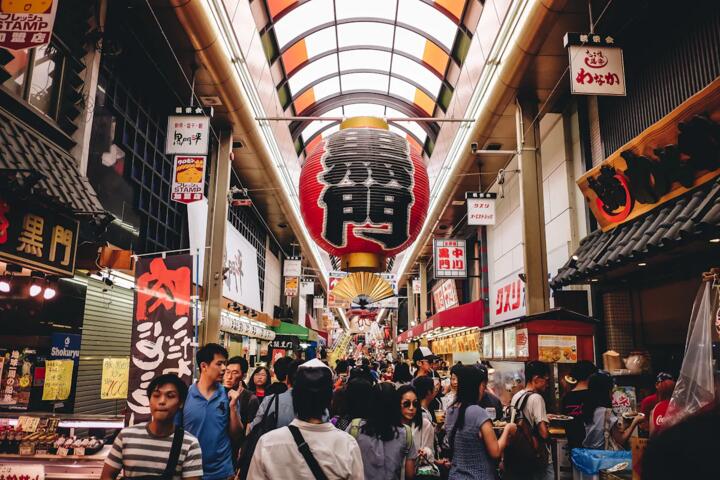
The wet markets of Southeast Asia or the souks of Fes are the heartbeats of society. Skip the hotel breakfast and visit a local market at 6:00 AM. In Mexico City’s Mercado de San Juan, you observe the intersection of pre-Hispanic ingredients and modern gastronomy. This is where culture is eaten. Platforms like Eatwith can connect you with families who host traditional dinners, ensuring your money goes directly to the practitioners.
Follow Religious Calendars
Living culture is often tied to the cyclical nature of faith and seasons. In Ethiopia’s Lalibela during Timkat, the rock-hewn churches are not artifacts; they are active sites of intense devotion. Check the Public Holidays Global database to align trips with local festivals. Unlike commercial festivals like Coachella, these events are driven by communal identity and offer a raw look at societal values.
Engage with Craft Guilds
Seek out specialized workshops. In Florence, instead of just visiting the Uffizi, visit the Oltrarno district where leatherworkers and bookbinders operate under the Associazione Esercizi Storici Fiorentini. Learning a skill for even three hours provides an empirical understanding of the "why" behind the culture. Supporting these artisans ensures the economic viability of their craft against mass-produced alternatives.
Stay in Residential Zones
Avoid the "Hotel Zone." Use Homestay.com or Airbnb (filtered for private rooms in local homes) to stay in neighborhoods like Neukölln in Berlin or Shimokitazawa in Tokyo. Observations made from a balcony in a non-tourist residential block—watching neighbors interact or hearing local radio—offer more insight into a culture's "aliveness" than any guided bus tour ever could.
Real-World Case Studies
Case Study 1: Matera, Italy. Once labeled the "shame of Italy" due to poverty in its cave dwellings (Sassi), the city focused on a "re-habitation" model. By encouraging locals to move back and open small businesses, they avoided becoming a ghost town. Result: Matera saw a 44% increase in sustainable tourism revenue during its year as the European Capital of Culture, with 60% of businesses remaining locally owned.
Case Study 2: Luang Prabang, Laos. To protect the morning alms-giving ceremony (Tak Bat), local authorities and elders implemented a code of conduct for visitors. By educating tourists on respectful distances and proper attire, they preserved the sanctity of the ritual. Data suggests that 85% of participating monks felt the tradition remained authentic despite the presence of international observers.
Immersion Quality Matrix
| Factor | Commercialized Zone | Living Culture Zone |
|---|---|---|
| Primary Language | English / Global Trade | Local Dialect / Indigenous |
| Economic Driver | Souvenirs / Fast Food | Daily Goods / Traditional Trade |
| Participant Demographics | 90% Tourists | 70%+ Locals |
| Social Interaction | Transactional / Scripted | Organic / Spontaneous |
| Cost of Access | Ticketed / Entry Fees | Free / Participation-based |
Navigating Errors
A frequent error is the "Paparazzi Effect"—treating people like exhibits. Always ask permission before filming a ritual or a person. If you are in a mosque in Istanbul or a temple in Bali, observe first. If no one else is taking photos, put your phone away. Another mistake is over-bargaining in traditional markets. While expected, aggressive haggling over a few cents can be insulting to a master craftsman who spent 40 hours on a textile.
To avoid these, adopt the "Quiet Observer" technique. Spend your first hour in a new place just sitting in a café or on a park bench. Watch how people greet each other, the volume of their speech, and their body language. Mimicking these subtle cues reduces your "tourist footprint" and makes locals more comfortable engaging with you on a peer-to-peer level.
FAQ
How do I find authentic events?
Check local university bulletin boards or Facebook Groups (search for "Events in [City Name]" in the local language). Avoid events with English-only posters or those promoted heavily in hotel lobbies.
Is it safe to visit non-tourist areas?
Generally, yes, provided you use common sense. Use Numbeo to check safety indices and Citymapper for reliable transport. Residential areas are often safer than high-traffic tourist zones where pickpockets congregate.
Will I face a language barrier?
Yes, and that is a good sign. Use Google Translate’s offline mode and DeepL for better nuances. Visual communication and a respectful attitude usually bridge the gap effectively.
How can I support living culture?
Buy directly from producers. Choose "Social Enterprise" cafes (like those listed on Grassroots Volunteering) that reinvest profits into the local community and heritage preservation.
Are festivals too crowded to be authentic?
Not if you go to the "fringe" locations. In New Orleans, the main parade is for tourists; the "Super Sunday" Mardi Gras Indian gatherings in local parks are where the deep community culture resides.
Author’s Insight
In my fifteen years of navigating the globe, I’ve found that the most "alive" moments happen when I stop looking for a photo opportunity and start looking for a chore. I once spent a week in a remote village in Georgia (the country) helping a family harvest grapes for kvevri wine. There were no tickets, no gift shops, and no English signs. By contributing my labor, I was granted access to a world of polyphonic singing and ancient toasts that no "cultural tour" could ever replicate. My advice: be useful, be quiet, and be curious.
Summary
Experiencing a place where culture feels alive requires a shift from being a consumer to being a witness. By avoiding commodified hubs, respecting local social contracts, and utilizing community-based platforms, travelers can find the "soul" of a destination. The most actionable advice is to venture at least three blocks away from any major landmark and look for where the locals are queuing for lunch. Authenticity isn't hidden; it's just living its own life, waiting for those respectful enough to join in.