Modern Pilgrimage
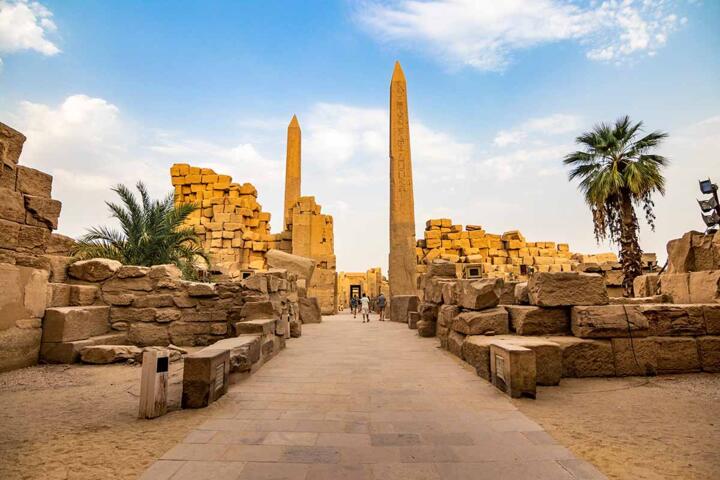
A spiritual journey is defined by its intent rather than just its destination. While traditional tourism focuses on consumption—taking photos and buying souvenirs—spiritual travel focuses on contribution and internal shift. Whether it is the rhythmic chanting at the Western Wall in Jerusalem or the silent circumambulation of Mount Kailash, these sites act as "thin places," where the veil between the mundane and the transcendent feels permeable.
In my experience working with cultural heritage groups, I have seen how these locations function as living museums. For instance, the Vatican Museums house over 70,000 works of art, but the spiritual core remains the St. Peter’s Basilica, which sees approximately 10 million visitors annually. Similarly, the Kumbh Mela in India represents the largest human gathering on Earth; in 2019, an estimated 150 million people participated, driven by a collective search for purification.
Practically, these journeys require a "slow travel" mindset. Instead of visiting five temples in Kyoto in one day, a focused practitioner might spend three days at Kiyomizu-dera, arriving at 6:00 AM to witness the morning rituals before the crowds arrive. This shift from quantity to quality is the hallmark of a true seeker.
Sacred Travel Pitfalls
The most significant mistake travelers make is treating a sacred site like a theme park. This "extractive" approach leads to cultural friction and personal disappointment. When visitors ignore local dress codes or disrupt ceremonies with flash photography, they create a barrier between themselves and the very energy they claim to seek.
Another pain point is the "over-optimization" of the itinerary. Modern travelers often rely too heavily on apps like TripAdvisor or Instagram, leading them to the most crowded "photo spots" rather than the most spiritually resonant corners. In places like Lalibela, Ethiopia, following the crowd usually means missing the secluded hermitages where the real contemplative life occurs.
The consequences are both personal and systemic. On a personal level, the traveler returns home exhausted rather than replenished. Systemically, popular sites suffer from "over-tourism." For example, the Camino de Santiago has seen such a surge in popularity—over 440,000 compostelas (certificates) were issued in 2023—that the "spirit of the Way" is often buried under the noise of commercialized hostels and baggage transport services.
Meaningful Exploration
1. Pre-Trip Immersion and Research
Before booking a flight, invest time in understanding the theological and historical context of your destination. Use academic platforms like JSTOR or Coursera to take short courses on Eastern philosophy or Medieval history. Knowing why the Mahabodhi Temple is the site of the Buddha’s enlightenment changes how you walk through its gates.
2. Respecting Indigenous Protocols
Sacredness is often tied to specific rules. In Uluru, Australia, the Anangu people request that visitors do not climb the rock. Respecting this isn't just a legal requirement; it's a spiritual alignment with the land’s guardians. Use services like Respecting Heritage to learn about local taboos and etiquette before arrival.
3. Implementing "Analog Hours"
To truly connect, you must disconnect. Limit smartphone use to essential navigation. Carry a physical journal to document internal shifts. In the high-altitude silence of the Himalayas, the blue light of a screen is a jarring intrusion. Many practitioners now use Light Phone or similar minimalist devices to stay reachable without the distractions of social media.
4. Ethical Contribution and Alms
Sacred sites are often maintained by local communities. Instead of just paying an entry fee, look for ways to contribute. This could mean donating to the Aga Khan Trust for Culture for site restoration or participating in "Seva" (selfless service) at a Sikh Gurdwara, where you can help cook meals for thousands of pilgrims.
5. Managing Physical and Mental Thresholds
Pilgrimages are often physically grueling. The 52km trek around Mount Kailash reaches altitudes of 5,600 meters. Use training apps like AllTrails to prepare for specific elevations and terrains. Physical hardship is historically part of the "purification" process; don't fight the discomfort, but prepare for it with the right gear, such as Lowa trekking boots or specialized high-altitude medicine.
6. Engaging with Local Guides
A local "fixer" or specialized guide from agencies like Context Travel provides insights that no guidebook can. They understand the nuances of ceremony times and can facilitate introductions to local elders. This human connection is often where the most profound spiritual insights occur.
7. Integrating the Return
The journey doesn't end when you land at home. The "re-entry" phase is critical. Set aside 48 hours of silence upon returning to process the experience. Use meditation apps like Insight Timer to find guided sessions specifically for integration and grounding after a period of intense travel.
Real-World Impact
Case Study 1: The Camino de Santiago Sustainability Shift
A group of 50 travelers organized by a boutique agency focused on "Zero-Waste Pilgrimage." They used the Buen Camino app for navigation but committed to picking up 1kg of trail trash daily.
Result: They cleared 350kg of waste over 100km, reported a 40% higher "trip satisfaction" score compared to traditional groups, and built lasting bonds with local "hospitaleros" who usually view tourists as a burden.
Case Study 2: Digital Detox in Kyoto
A corporate retreat centered on "Zen Mindfulness" replaced all digital devices with paper maps and traditional Japanese journals. They spent four days at Daitoku-ji.
Result: Heart rate variability (HRV) data, tracked via Oura rings (worn but not checked), showed a 25% improvement in stress recovery scores by the third day. Participants reported a significant increase in creative problem-solving capabilities upon returning to work.
Pilgrimage Styles
| Feature | Traditional | Modern Tourism | Conscious |
|---|---|---|---|
| Goal | Religious Penance | Sightseeing | Internal Growth |
| Pace | Slow / Walking | Fast / Motorized | Intentional |
| Stay | Monasteries | Luxury Hotels | Local / Eco |
| Tools | Beads / Faith | Social Media | Journal / Apps |
Common Errors
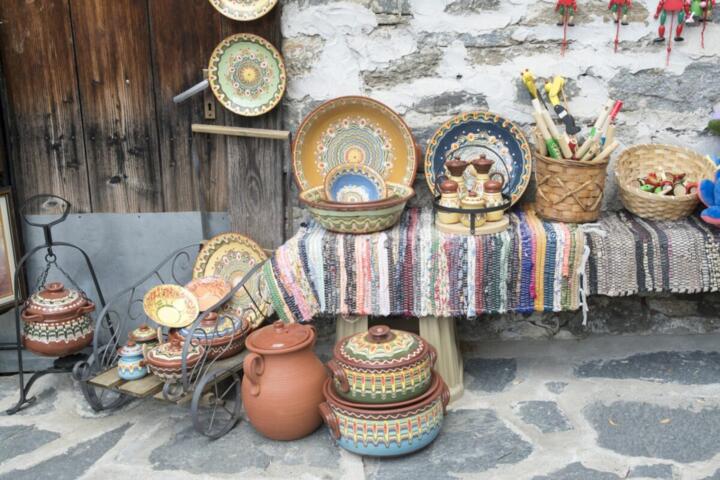
One frequent error is "Cultural Appropriation" vs. "Cultural Appreciation." Buying a sacred relic as a decoration is appropriation; learning the ritual behind it and supporting a local artisan is appreciation. Always check if an item is "fair trade" through organizations like the World Fair Trade Organization (WFTO).
Another error is ignoring the "Seasonality of Spirit." Visiting Varanasi during the peak of summer (45°C) will likely leave you focused on physical survival rather than spiritual reflection. Check historical weather data on Climate-Data.org and religious calendars (like the Lunar Hijri for Islamic sites) to ensure your visit aligns with both your physical needs and the site's ritual cycle.
Lastly, travelers often neglect travel insurance that covers "repatriation of remains" or high-altitude rescue. For journeys to remote sites like Tiger's Nest in Bhutan, specialized insurance from World Nomads or Global Rescue is non-negotiable. Expertise lies in planning for the worst so you can focus on the best.
FAQ
How do I choose the "right" sacred site for me?
Start with your personal heritage or a philosophy that resonates with your current life challenges. If you seek clarity, consider the minimalist Zen gardens of Japan. If you seek community and fervor, the festivals of India or South America are more appropriate.
Is it disrespectful to visit a sacred site if I am not religious?
Generally, no. Most faiths welcome seekers. However, "quiet presence" is the gold standard. Observe, don't interrupt. If a sign says "No Photos," honor it without exception.
How do I handle the intense crowds at places like the Western Wall or Mecca?
Accept the crowd as part of the energy. In many traditions, the "mass" of people is a physical manifestation of shared belief. Use noise-canceling headphones during transit, but stay present during the visit itself.
What is the best way to document my journey without being "that" tourist?
Set specific "photography windows"—perhaps 15 minutes at the start and end of a visit. For the rest of the time, keep the camera in your bag. Sketching or writing descriptions is often more evocative than a digital image.
How can I ensure my money stays in the local community?
Avoid international hotel chains. Use platforms like Homestay.com or book "gites" and "pensiones" directly. Eat at "warungs" or local stalls where the food is prepared by residents using local ingredients.
Author’s Insight
In my fifteen years of exploring heritage sites, I have found that the most powerful moments never happen in front of a monument. They happen in the three-hour conversation with a monk over tea, or the blister you treat on a stranger’s foot on a long trail. My advice is to leave 30% of your itinerary completely blank. The "spirit" of a place needs space to find you. Don't over-schedule your enlightenment; it rarely follows a spreadsheet.
Summary
A spiritual journey is an investment in your internal architecture. By choosing destinations with intention, respecting local protocols, and utilizing modern tools like AllTrails for preparation and Insight Timer for reflection, you elevate travel from a hobby to a transformative practice. Avoid the trap of the "extractive" tourist. Instead, aim to leave every sacred site slightly better than you found it—whether through a donation to the World Monuments Fund or simply by carrying a more peaceful version of yourself back into the world. Start your journey by identifying one site that challenges you, and begin your research today.