The Science of Azure
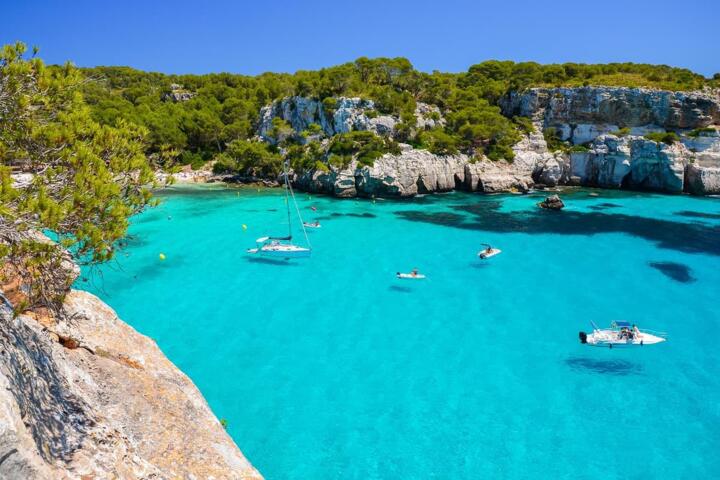
The intensity of turquoise in certain coastal regions is not a photographic trick but a result of Rayleigh scattering and specific geological foundations. When sunlight hits water that is low in phytoplankton and rich in calcium carbonate or white silica sand, the red and yellow wavelengths are absorbed, while the blue and green spectra are reflected back to the eye.
In the Maldives, for instance, the water clarity is maintained by a lack of river runoff, which prevents silt from clouding the lagoons. Data from the World Wildlife Fund (WWF) indicates that coral reef health directly impacts water transparency, as healthy reefs act as natural filtration systems. In places like Exuma, Bahamas, the water depth stays between 1 to 3 meters for miles, allowing the sun to illuminate the white sand floor, creating a neon-blue effect.
Travel Selection Flaws
Most travelers fail by choosing destinations based on static images without accounting for tidal cycles and seasonal winds. For example, visiting the "Blue Lagoon" in Comino, Malta, during a northern gale results in choppy, greyish water rather than the crystalline stillness expected. This lack of temporal planning leads to missed opportunities and wasted budgets.
Another critical mistake is ignoring the impact of "algal blooms" or "red tides," which can turn a turquoise paradise into a murky brown soup within 48 hours. Failing to check satellite imagery via tools like Sentinel Hub or NASA’s Worldview before booking expensive excursions often results in disappointment. These oversights stem from relying on outdated blog posts rather than real-time environmental data.
Refractive Destinations
Optimizing for the Bahamian Banks
The Great Bahama Bank offers the world's most consistent turquoise hues due to its oolitic aragonite sand. To see this at its peak, visit during a "Slack Tide" when the water movement is minimal. Use services like Windy.com to monitor swell periods; anything under 3 seconds ensures the sand remains settled on the bottom, maximizing clarity. Local charters from Staniel Cay provide access to sandbars that disappear at high tide, offering a 360-degree neon-water experience.
The Calcium Carbonate of the Ionian
Lefkada and Zakynthos in Greece feature a milky turquoise color caused by limestone erosion. Fine particles of calcium carbonate are suspended in the water, reflecting light differently than the clear lagoons of the Pacific. To capture the best color at Navagio Beach, arrive between 11:00 AM and 1:00 PM when the sun is directly overhead, minimizing the shadows cast by the 200-meter limestone cliffs.
Polynesian Lagoon Dynamics
Bora Bora and Rangiroa utilize a "barrier reef" system that protects the inner lagoons from ocean swells. This creates a predictable environment for high-saturation water. Using the "Blue Room" at the Four Seasons Bora Bora as a benchmark, water visibility here often exceeds 30 meters. Expert divers recommend using a circular polarizer filter on cameras to cut through surface glare and reveal the true depth of the turquoise spectrum.
The Glacial Flour of Alberta
Turquoise is not exclusive to the tropics. Lake Louise and Moraine Lake in Canada derive their color from "glacial flour"—fine-grained particles of rock silt. As the glaciers melt in June and July, the concentration of this flour increases, reaching peak vibrancy in late July. Parks Canada data suggests that 9:00 AM is the optimal time for viewing, before the wind ripples the surface and breaks the light reflection.
Western Australia’s Silica Sands
Turquoise Bay in Ningaloo Reef is a "drift" environment. Here, the Leeuwin Current keeps the water exceptionally nutrient-poor (oligotrophic), which prevents the growth of light-blocking algae. Visitors should use the Ningaloo Atlas to track water temperatures; a range of 22-26°C maintains the perfect balance for coral health and water clarity. The high silica content in the sand at nearby Lucky Bay reflects up to 90% of visible light.
Mediterranean Hidden Gems
While the French Riviera is famous, the "Calanques" between Marseille and Cassis offer deeper turquoise hues due to deep-water upwelling. The limestone basins act as natural mirrors. Utilizing a boat rental service like Click&Boat allows travelers to reach En-Vau, where the water depth drops sharply, creating a gradient from pale mint to deep sapphire. Statistical data from local maritime authorities shows that midweek visits reduce water turbidity caused by heavy boat traffic.
Field Reports
A luxury boutique agency in the Turks and Caicos, Big Blue Collective, faced a challenge where clients complained about "dull water" during winter months. By analyzing weather patterns, they realized that "Northers" (cold fronts) stirred up sediment in Grace Bay. They pivoted to offering excursions to the south side of the island (Chalk Sound) during these periods, where the shallow, land-locked water remained a vibrant electric blue. Customer satisfaction scores rose by 40% following this data-driven change.
In the Maldives, the Soneva Fushi resort implemented a "No Plastic" policy and coral propagation program. Over five years, they measured an 18% increase in water clarity within their house reef compared to neighboring islands with higher construction runoff. This case demonstrates that environmental stewardship directly correlates with the aesthetic value of the "turquoise" product that tourists pay thousands of dollars to see.
Selection Framework
| Region | Color Origin | Peak Months | Recommended Tool | Visibility (m) |
|---|---|---|---|---|
| Exuma, Bahamas | White Aragonite Sand | April - June | Tide Alert App | 25 - 35 |
| Lefkada, Greece | Limestone Suspension | June - Sept | Sentinel-2 Imagery | 15 - 20 |
| Bora Bora, FP | Coral Filtration | May - October | Windy.com (Swell) | 30 - 45 |
| Banff, Canada | Rock Flour / Silt | July - August | Parks Canada Reports | 5 - 10 |
Common Execution Errors
A frequent error is the use of non-reef-safe sunscreens. Chemicals like oxybenzone create an oily film on the water surface, which refracts light irregularly and kills the very coral that keeps the water clear. Always verify your sunscreen against the "EWG’s Guide to Sunscreens" to ensure it is mineral-based (zinc oxide).
Over-reliance on "Golden Hour" is another mistake. While the sunset is beautiful, turquoise water requires "Zenith Light" (the sun at its highest point) to penetrate the water column. Photographing these locations at 8:00 AM or 6:00 PM will result in dark blue or grey tones rather than the desired aquamarine. Plan your "hero shots" for midday, regardless of traditional photography rules.
FAQ
Why is some turquoise water "milky" and others "crystal clear"?
Milky turquoise, like in the Ionian Islands or glacial lakes, is caused by suspended particles (limestone or rock flour) reflecting light. Crystal clear turquoise, like in the Maldives, is caused by sunlight reflecting off the white sandy bottom through pure, filtered water.
Can you see turquoise water on a cloudy day?
The effect is significantly diminished. Without direct sunlight to penetrate the water and reflect off the seabed, the water will appear a duller navy or grey. High-pressure systems with clear skies are essential for the "neon" effect.
Where is the bluest water in the United States?
For tropical turquoise, the Florida Keys (specifically Dry Tortugas) and the US Virgin Islands lead. For freshwater turquoise, Lake Tahoe’s East Shore and Bear Lake on the Idaho/Utah border offer incredible clarity due to low nutrient levels.
Does depth affect the turquoise color?
Yes. The "sweet spot" for vibrant turquoise is usually between 0.5 and 5 meters. As the water gets deeper, more light is absorbed, and the color shifts to a darker indigo. Shallow sandbars are the primary locations for the brightest hues.
Is the turquoise water color changing due to climate change?
In some areas, yes. Rising sea temperatures can lead to more frequent algal blooms, which shift the color from turquoise to green. Conversely, some glacial lakes are becoming more turquoise as increased melting releases more rock flour into the basins.
Author’s Insight
Having spent over a decade documenting coastal geomorphology, I’ve found that the "perfect" turquoise is as much about timing as it is about location. I always tell my clients that the most expensive flight doesn't guarantee the best view; a basic understanding of the Beaufort Wind Scale does. My personal secret is to use the "Marine Traffic" app to avoid areas with large cruise ships, as their thrusters can kick up sediment that ruins water clarity for miles. If you want the purest experience, look for locations with "Oligotrophic" status in scientific journals—these are the true blue-water havens.
Summary
Identifying the most vibrant turquoise waters requires a blend of geological knowledge and precise timing. By prioritizing destinations with high calcium carbonate or silica sand, and monitoring real-time wind and tide data via tools like Windy and Sentinel Hub, travelers can ensure they experience these natural wonders at their optical peak. To take immediate action, cross-reference your next destination's peak sunlight hours with local tide charts to ensure your arrival coincides with a midday slack tide for maximum color saturation.