Beach Safety Flags Basics
Beach safety flags are a fast, visual communication system used by lifeguards and beach operators to describe current swimming conditions. They help people decide whether to enter the water, where to swim, and how much risk to expect from factors like waves, currents, and visibility.
Most flag systems use color cues that map to categories such as “swim with caution” or “do not swim.” The exact meaning can differ by location, so the safest approach is to treat the flag as a local instruction rather than a universal rule. If you arrive at a beach without a posted explanation, look for a sign near the lifeguard stand or at the beach entrance.
Flags also change. A beach can shift from calm to hazardous after a storm, a tide change, or a sudden increase in wind. If you see a flag change while you are already in the water, follow the lifeguard’s direction and move toward shore. That moment is when people often underestimate how quickly currents can form.
What People Get Wrong
Many swimmers treat flag colors as a universal language, then assume the same meaning applies everywhere. In practice, beach flag schemes vary by country and even by region, and some beaches use additional symbols or multiple flags at once.
Another common mistake is ignoring the “why.” A flag may indicate dangerous surf, but the danger can come from rip currents, strong shorebreak, or low visibility from waves and sand. If you only focus on the color and not the conditions, you may choose the wrong spot to enter or stay.
People also misread “swim zone” boundaries. A flag can mean swimming is permitted, but only between lifeguard markers or within a defined area. Outside that zone, currents can be stronger and escape routes less obvious, especially near channels or sandbars.
Supporting signals matter too. Lifeguards rely on local observations and sometimes on tools like radar-derived wave forecasts, tide tables, and on-site current assessments. Those inputs can lag behind real conditions, and the lag is why lifeguards still watch the water continuously.
How To Use Flags Safely
Match The Flag To Local Rules
Start by finding the posted flag legend near the lifeguard station. If the legend lists multiple flags, read the full set rather than guessing from color alone. On some beaches, a “warning” flag can still permit swimming in a limited area, while a “no swimming” flag may still allow wading near shore.
When you travel, take a quick photo of the legend for reference. I’ve seen visitors rely on memory and then get stuck because the beach they’re at uses a different mapping than the one they visited last summer. A small habit like that prevents a lot of confusion.
If you cannot find a legend, treat the situation as higher risk: stay out of the water until a lifeguard or staff member explains the current meaning.
Watch For Current Triggers
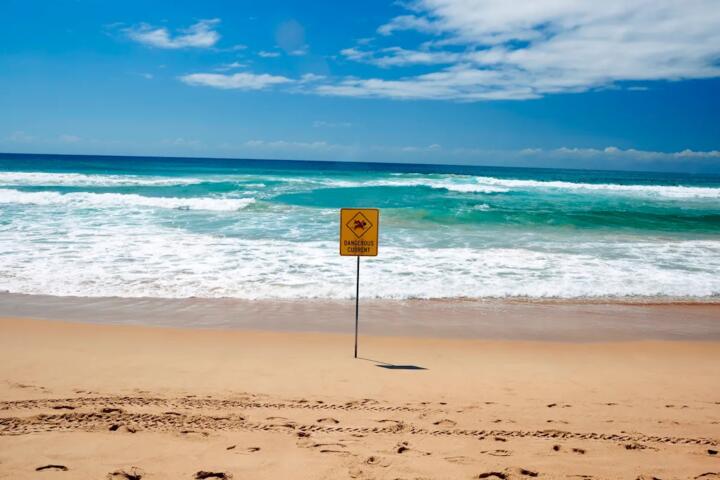
Flags often reflect rip currents or strong wave action, which can intensify with wind direction and tide. Look for visual cues such as narrow bands of churning water, foam lines moving seaward, or waves that break differently than the surrounding surf.
Even when a flag indicates swimming is allowed, avoid entering if you see strong shorebreak, repeated waves knocking people off balance, or swimmers being pulled away from shore. If you are with children, keep them within arm’s reach and choose shallower water where footing is stable.
On days with heavy wind, the same beach can feel calmer near the shore and rougher farther out. That mismatch is where people get surprised, because they assume the water “looks fine” where they stand.
Use Lifeguards And Weather Signals
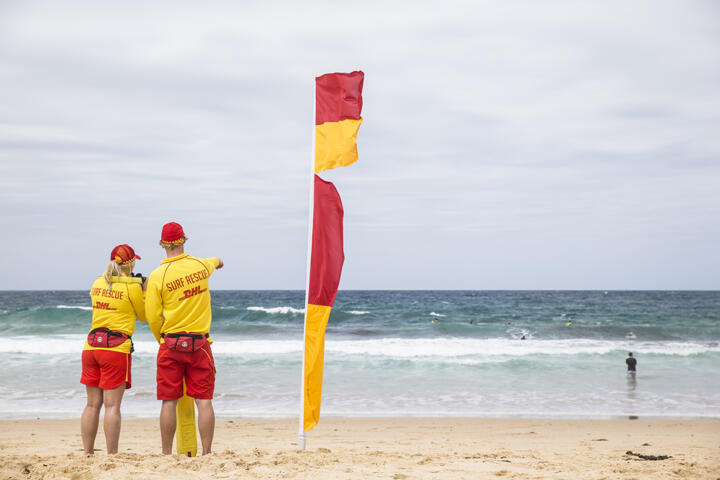
Use lifeguards as the highest-priority source of real-time information. If lifeguards are present, follow their instructions about where to swim and when to exit. If lifeguards are not on duty, treat flags as guidance only and rely more heavily on posted advisories and your own risk assessment.
Check the local forecast for wind and thunderstorms. A sudden shift in wind can change wave patterns within an hour, and lightning risk can end beach activities quickly. Many beaches post separate lightning rules, so don’t assume the swimming flag covers all hazards.
For planning, tide information can help you anticipate stronger currents near certain tide stages. Tide tables are public and widely available, but they do not replace on-site observation.
Know What To Do If Conditions Change
If a flag changes while you are in the water, move toward shore promptly and avoid fighting the strongest current. If you are caught in a rip current, the safest action is to follow lifeguard guidance; many lifeguard services teach a strategy of moving parallel to shore to escape the current rather than trying to swim directly against it.
Keep an eye on your exit route. People often drift toward deeper water when they panic, then lose the easiest path back. A simple rule helps: swim near shore where you can stand, and keep track of landmarks.
For families, set a meeting point on the sand near the lifeguard stand before entering the water. That reduces confusion if you need to exit quickly.
Educational Case Examples
Scenario 1: A traveler arrives at a beach in late afternoon and sees a single yellow flag. The posted legend near the lifeguard stand states that yellow means “swim with caution” within the marked zone. The traveler reads the legend, stays between the markers, and avoids the area where foam lines move seaward. After wind increases, the lifeguard changes the flag to red and signals everyone to exit; the traveler leaves immediately and does not re-enter.
Scenario 2: A parent visits a beach where the flag system uses two flags at once: one for surf conditions and one for current risk. The parent initially focuses on the color that matches the “no swimming” rule from a different country, then notices the local legend explains a different meaning for that color. The parent follows the local legend, keeps the child in shallow water, and watches for the lifeguard’s boundary markers before entering.
Flag Meanings Checklist
| What You See | What To Do | Where To Swim | When To Exit |
|---|---|---|---|
| Red or “Do Not Swim” | Stay out of the water and follow lifeguard instructions | No swimming zone | If already in, exit promptly toward shore |
| Yellow or “Caution” | Swim only if you can manage waves; keep close supervision | Marked lifeguard zone only | When conditions worsen or flag changes |
| Green or “Safe To Swim” | Swim within your ability; watch for sudden changes | Within the general swimming area | If you see rip cues or lifeguards signal |
| No Flags / No Legend | Treat as higher risk; ask staff or avoid swimming | Do not assume a safe zone | Exit if you enter and conditions feel unsafe |
Use this checklist before entering: find the legend, confirm lifeguard hours, check for wind and storm risk, and choose a spot where you can stand and exit quickly. If you see foam moving seaward or repeated strong waves, stay closer to shore even under a caution flag.
Common Mistakes To Avoid
One frequent error is entering the water because the flag looks “better” than yesterday. Conditions change with tides, wind, and swell, and yesterday’s meaning has no effect on today’s risk.
Another mistake is ignoring the boundary markers. People often swim farther out to “get a better view” or to reach a calmer patch, then end up in stronger currents where escape is harder.
Some visitors also rely on social media posts from the same beach. Those posts rarely include the flag legend, the time of day, or the tide stage, so they can mislead when the beach operator changes the system.
Finally, swimmers sometimes treat a caution flag as permission to test their limits. A safer approach is to treat caution as a limit on distance from shore, not a challenge to swim farther.
FAQ
Do Beach Flag Colors Mean The Same Everywhere?
No. Many beaches use local flag legends, and the same color can map to different categories. Check the posted legend at the beach entrance or lifeguard stand.
What Should I Do If I See A Red Flag?
Stay out of the water and follow lifeguard instructions. If you are already in, exit toward shore promptly and avoid re-entering until the flag changes and staff confirm conditions.
Can I Swim Under A Yellow Flag?
Often yes, but only within the marked zone and within your ability. Watch for rip-current cues and exit if waves become harder to manage or if the flag changes.
What If There Are No Lifeguards?
Use the flag legend if it exists, but treat the situation as higher risk if there is no staff guidance. Consider avoiding swimming when you cannot confirm local meanings or current conditions.
How Do Flags Relate To Rip Currents?
Flags frequently reflect current risk, including rip currents, but they do not explain the mechanism. Use visual cues like foam lines moving seaward and keep a short distance from shore.
Author's Insight
Beach flag systems are a practical risk communication tool, but they depend on local definitions and real-time observation. A cautious reader treats the flag as an instruction from the beach operator, not as a universal code. When you combine the flag with the posted legend, lifeguard guidance, and visible water cues, your decisions become more consistent.
On one beach I reviewed for a travel safety checklist in 2024, the legend included both a color meaning and a “swim zone” note, and visitors who skipped the zone note were the ones who drifted into stronger surf. That pattern shows up repeatedly: the color is only part of the message.
If you want a quick reference, carry a screenshot of the legend for that beach and time-stamp it mentally. Then you can compare what you see now with what the staff meant earlier.
Key Takeaways
- Read the local flag legend; color meanings vary by location.
- Flags can change quickly, so watch for updates and follow lifeguards.
- Swim only within marked zones and within your ability, even under caution flags.
- If conditions worsen or the flag changes, exit promptly and do not re-enter.
- When there is no legend or no staff guidance, treat the beach as higher risk and consider staying out.