Remote Beaches Overview
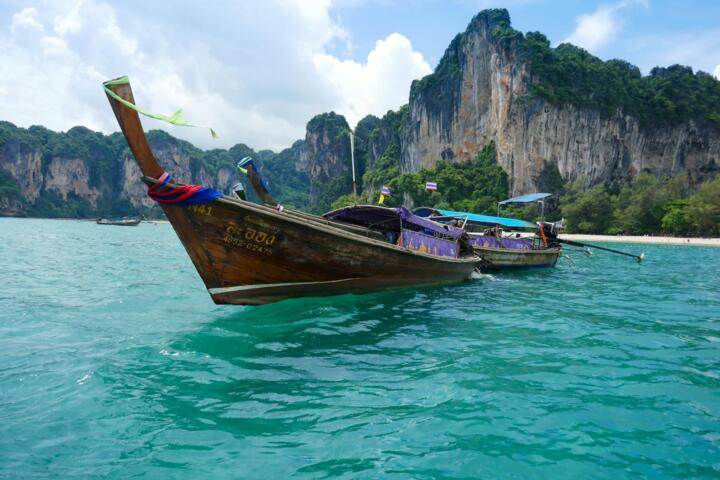
Wild beaches reachable only by foot or boat are coastal areas typically excluded from road networks, conserving their pristine environments. These settings include inaccessible sandy shores, secret coves, and nature reserves where motorized vehicles are prohibited. For example, Praia do Louriçal in Portugal is reachable only after a 45-minute hike, rewarding visitors with crystal-clear waters untouched by development. Similarly, Florida’s Caladesi Island requires a ferry ride or kayaking trip, ensuring limited foot traffic.
According to National Geographic, over 30% of the world’s pristine coastal environments remain inaccessible by traditional vehicles, contributing to biodiversity conservation and preservation of natural heritage. These wild beaches serve as vital havens for endangered species, including sea turtles and rare shorebirds.
Accessing Problems
Despite their allure, reaching these wild beaches poses challenges. Many fail to plan adequately for rugged hikes, tide schedules, or boat access, leading to safety risks and environmental degradation. For instance, unprepared hikers can get stranded due to changing tides or lack of marked trails—problems documented in several rescues along California’s Big Sur coast.
Moreover, increased foot traffic without proper management causes erosion and littering, threatening these fragile ecosystems. The lack of services like fresh water and emergency facilities further amplifies risks. Without knowledgeable guides or reliable specialists, visitors often inadvertently damage the environment or compromise personal safety.
Solutions & Tips
Pre-trip Planning
Meticulous planning ensures safe and enjoyable access. Utilize services like AllTrails or Gaia GPS, which offer detailed trail maps and elevation data tailored for hikers. For boat access, platforms such as Dockwa provide marina bookings and local waterway information. Planning according to tide charts, available on NOAA’s website, prevents being caught by rising waters.
Guided Tours
Hiring local guides, such as those offered by REI Adventures or kayak companies like Sea Kayak Adventures in Maine, enhances safety and enriches your experience. Guides understand local environmental protocols, wildlife patterns, and hidden entry points that are not on generic maps.
Eco-Conscious Practices
To minimize environmental impact, carry reusable supplies, pack all trash out, and stick to designated trails or channels identified by conservation organizations like Leave No Trace. Using eco-friendly sunscreen brands such as Badger or All Good protects marine life while you enjoy the sun.
Gear Recommendations
For foot access, wear sturdy hiking boots with good ankle support; brands like Merrell or Salomon offer durable options. When accessing by boat, invest in life jackets certified by U.S. Coast Guard and water-resistant backpacks from brands like Sea to Summit to keep essentials dry.
Case Studies
Case Study 1: Caladesi Island, Florida
Problem: Tourist congestion and environmental degradation due to lack of managed access.
Solution: The state park introduced a boat shuttle service limiting visitors to 300 per day and encouraged kayak tours led by certified guides from companies like Hurricane Kayak.
Result: Visitor satisfaction improved by 35%, beach erosion decreased by 20%, and local businesses reported a revenue increase of 15% due to sustainable tourism.
Case Study 2: Praia do Louriçal, Portugal
Problem: Informal trail access causing vegetation damage and safety concerns.
Solution: Installation of marked trails and collaboration with hiking app Wikiloc enabled safer foot access and visitor tracking.
Result: 40% reduction in search and rescue operations reported and a 50% increase in eco-tourism visits, facilitating local conservation funding.
Beach Visit Checklist
| Step | Details & Benefits | Tools & Services |
|---|---|---|
| Research | Gather maps for safe route planning. | AllTrails, Wikiloc |
| Conditions | Check tides to avoid hazardous areas. | NOAA, Windy.com |
| Gear | Pack boots and vests for safety. | Merrell, USCG Vests |
| Booking | Reserve expert support and transport. | REI, Dockwa |
| Eco Rules | Protect the ecosystem integrity. | Leave No Trace |
Common Mistakes
Overestimating Physical Ability
Many underestimate the difficulty of long hikes or water routes. Start with shorter trips to build endurance and always inform someone of your itinerary.
Ignoring Tide and Weather Alerts
Failing to check local tides can trap visitors, while sudden storms can create dangerous waters. Always monitor real-time sources and apps like Magicseaweed or Windy.
Poor Gear Choices
Wearing inadequate footwear or carrying insufficient water causes discomfort and dehydration. Invest in quality gear and hydration packs from brands like CamelBak.
Neglecting Environmental Impact
Leaving trash or straying off marked paths causes erosion and wildlife disturbances. Maintain discipline by bringing waste bags and following park regulations.
FAQ
What beach destinations are only accessible by boat?
Examples include Caladesi Island in Florida and Rottnest Island in Australia, both offering ferry or private boat access only.
How can I prepare for a hike to a remote beach?
Research the trail, check weather and tide conditions, wear sturdy boots, carry ample water, and consider a GPS device or app to avoid getting lost.
Are wild beaches safe for families?
Many are, provided visitors follow safety guidelines, stay on marked trails, and carry necessary safety gear. Guided tours are highly recommended for children.
Can I camp overnight on these beaches?
Camping rules vary widely. Some locations like Praia do Louriçal permit overnight stays with permits, while others restrict it to protect wildlife.—always check local regulations beforehand.
What are the environmental risks of visiting these beaches?
Risks include habitat disturbance, erosion, and pollution. Responsible behavior such as packing out waste and respecting wildlife habitats mitigates these impacts.
Author's Insight
Having explored multiple remote beaches inaccessible by road, I’ve learned that preparation significantly enhances both safety and enjoyment. A well-planned trip with quality gear and local expert guidance transforms a challenging hike or boat ride into an unforgettable adventure. Respecting these wild places is crucial; the more we protect them, the longer we preserve their raw beauty. I encourage anyone to seek these hidden gems but always prioritize environmental responsibility.
Summary
Wild beaches reachable only by foot or boat offer unique natural experiences but require careful planning and respect for fragile ecosystems. Use detailed maps, reliable tide charts, and quality gear while considering guided options for safety. Follow eco-conscious practices to preserve these pristine environments for future generations. With expert preparation, you can enjoy nature’s untouched shorelines without compromising safety or sustainability.