Cultural Pulse
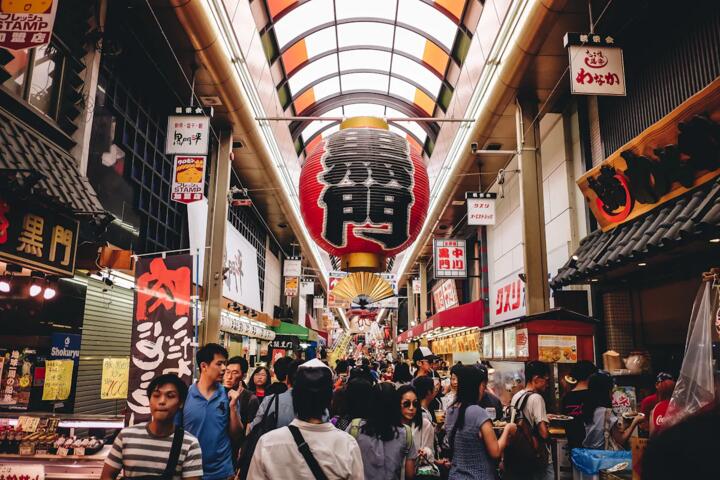
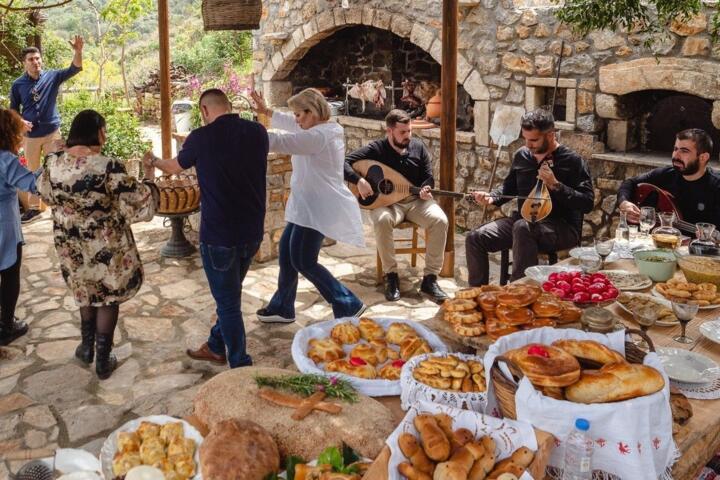
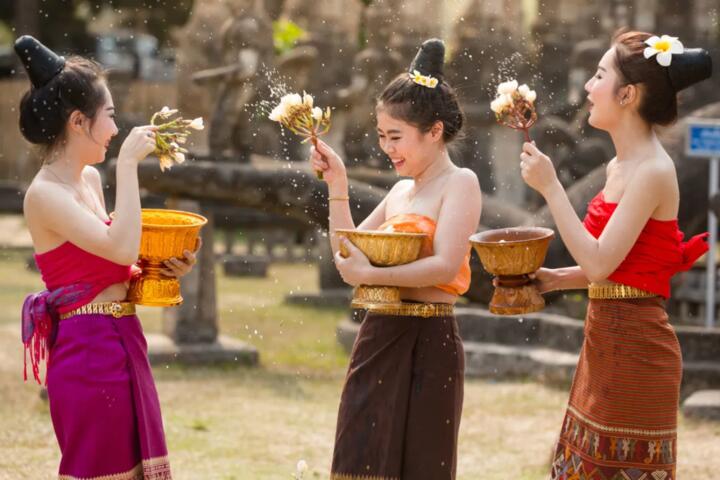
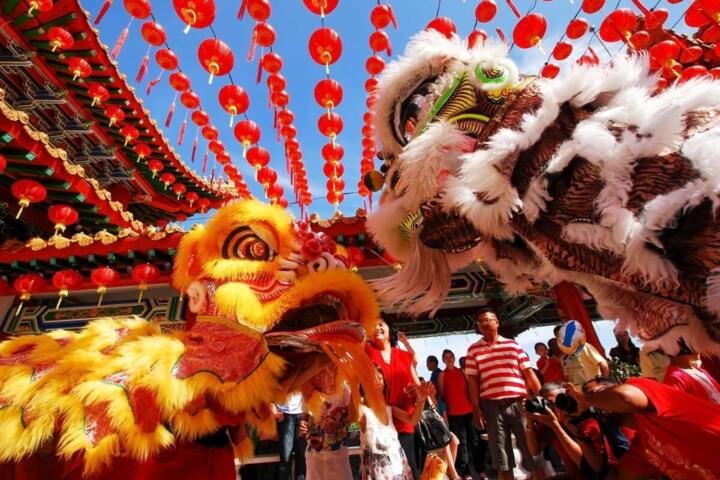
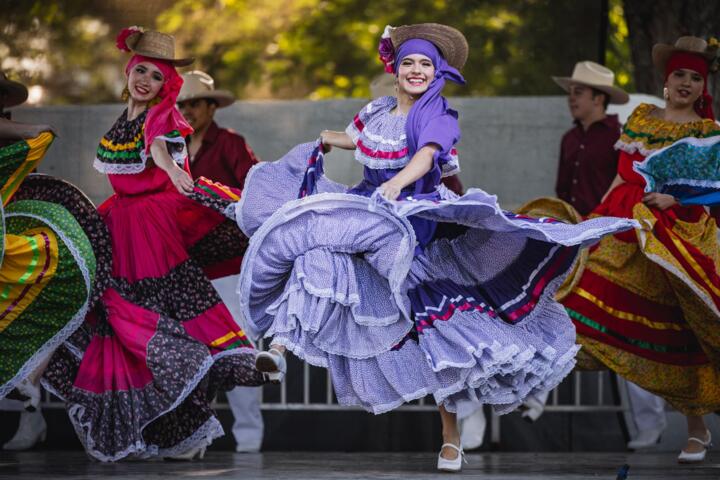
Festivals are not merely dates on a calendar; they are the living manifestations of a nation's soul. When we talk about these events, we are discussing a complex ecosystem where history, religion, and social structures collide. Unlike static museum exhibits, festivals allow for a "living history" that adapts to modern contexts while maintaining a core of traditional integrity.
In practice, this looks like the Naadam Festival in Mongolia, where the "three games of men" (wrestling, horse racing, and archery) serve as a functional link to the era of Genghis Khan. It isn't a reenactment for tourists; it is a vital social competition that determines local prestige.
Statistically, the impact is staggering. According to UNESCO's Intangible Cultural Heritage database, there are over 600 elements inscribed that represent various festive events. Furthermore, data from Oxford Economics suggests that cultural tourism, heavily driven by these festivals, accounts for nearly 40% of all European tourism revenue, highlighting that identity is as much an economic engine as it is a social one.
Erosion of Heritage
The primary mistake organizations and governments make is the "Disneyfication" of sacred or traditional events. When a festival is stripped of its ritualistic depth to make it more "tourist-friendly," it loses its status as a pillar of national identity and becomes a mere commodity.
This leads to a loss of authenticity, which modern travelers—who increasingly use platforms like Airbnb Experiences to find "real" culture—can spot instantly. When the local community no longer feels ownership of the event because it has been over-commercialized or sanitized, the "living" part of the tradition dies.
Consider the commercialization of St. Patrick’s Day. In many global cities, the day has shifted from a celebration of Irish Catholic heritage and the arrival of Christianity to a generic drinking holiday. The consequence is a diluted brand where the original cultural signifiers are replaced by stereotypes, ultimately weakening the very identity the festival was meant to project.
Preservation Strategies
Implementing Community-Led Governance
Top-down management often kills the spontaneity of traditional rites. To maintain identity, the local practitioners must hold the reins. This works because the stakeholders are the guardians of the nuance—the specific songs, the exact recipes, and the timing of rituals that outsiders might overlook.
In practice, this involves using tools like Slack or Trello for local organizing committees to coordinate logistics while keeping the "content" of the festival in the hands of tribal elders or local artisans. When the community leads, the pride of ownership ensures the tradition remains vibrant for the next generation.
Leveraging Digital Documentation and Global Reach
Identity is strengthened when it is recognized globally. Using high-fidelity recording and digital archiving prevents the "memory leak" that occurs when oral traditions aren't passed down. Services like Google Arts & Culture provide a platform for festivals to showcase their history to a global audience without compromising the physical site.
Data shows that festivals with a strong digital presence see a 25% increase in high-value cultural tourists—those who stay longer and spend more in local economies. By using Canva for professional storytelling or YouTube for livestreaming certain public segments, a local festival can become a global symbol of national pride.
Balancing Sustainability with Accessibility
A festival that destroys its environment or displaces its people cannot define a national identity positively. Sustainable management involves strict carrying capacity limits. For example, the Bhutanese Tshechu festivals require visitors to pay a sustainable development fee, which ensures that the influx of people doesn't overwhelm the sacred sites.
Using booking platforms like Eventbrite allows organizers to cap attendance, preventing the "overtourism" that has plagued cities like Venice. This creates an aura of exclusivity and respect, reinforcing the idea that the festival is a privilege to witness, not a product to consume.
Integrating Educational Frameworks
For a tradition to define identity, the youth must see its value. This is achieved by integrating festival history into school curricula and creating "junior" roles within the festivities. In Japan, during Gion Matsuri, children are actively involved in the processions, ensuring the technical knowledge of float building and traditional music is transferred through muscle memory.
Economic Reinvestment into Craftsmanship
Identity is often tied to the physical objects used in celebration—masks, textiles, or instruments. By ensuring that festival revenue goes directly to the artisans (using fair-trade platforms or local cooperatives), you preserve the industry that makes the festival possible. This creates a circular economy where culture funds its own survival.
Heritage Case Studies
The Inti Raymi Revival (Peru)
In the mid-20th century, the Festival of the Sun (Inti Raymi) was a fading memory. The Peruvian government and local Cusco intellectuals worked to reconstruct the Inca liturgy based on the writings of Garcilaso de la Vega.
- Problem: Loss of ancestral connection and low regional pride.
- Action: Re-institutionalized the event at the Sacsayhuamán fortress with meticulous attention to historical accuracy in costumes and Quechua dialogue.
- Result: It is now the second-largest festival in South America, attracting over 100,000 visitors annually and serving as the primary symbol of Incan identity in the modern world.
The Success of Diwali in Leicester (UK)
While not a "national" festival of the UK, the Diwali celebrations in Leicester have redefined the local identity of the city.
- Problem: Integrating a large diaspora community into the city's public life.
- Action: The local council partnered with the Hindu Festival Council to create one of the largest Diwali celebrations outside India.
- Result: It turned Leicester into a cultural hub, with an estimated economic impact of over £5 million annually and a significant increase in social cohesion scores across diverse demographics.
Management Checklist
| Action Item | Objective | Tools/Services Recommended |
|---|---|---|
| Authenticity Audit | Identify elements that are being "faked" for tourists. | SurveyMonkey (for local feedback) |
| Capacity Mapping | Determine the maximum number of people the site can hold. | GIS Mapping / ArcGIS |
| Artisan Support | Ensure all festival goods are locally sourced and authentic. | Etsy (Local) / Fair Trade Certified |
| Youth Engagement | Create a mentorship program for traditional roles. | Local School Boards |
| Digital Archiving | Record oral histories and ritual specifics. | Dropbox / Vimeo (Private) |
| Eco-Impact Plan | Minimize waste and carbon footprint. | TerraCycle / Green Events Tool |
Heritage Promotion Pitfalls
Treating Culture as a "Product"
When you market a festival like a music concert, you attract the wrong demographic. A festival defining national identity should be marketed as a "pilgrimage" or an "educational experience." Avoid generic "fun for the whole family" tags if the event is a solemn religious rite.
Ignoring the "Off-Season"
National identity doesn't just exist for three days a year. The most successful cultural brands maintain engagement year-round. Use Mailchimp to send newsletters to past attendees about the preparations, the harvesting of materials, or the history of the rituals. This builds a community of "culture-keepers" rather than one-time tourists.
Lack of Language Preservation
If the festival is conducted entirely in a global language (like English) for the sake of tourists, the national identity is compromised. Always maintain the native tongue in the rituals. Use translation apps or headsets (like Pocketalk) for visitors, but never change the ceremony's language.
FAQ
How do festivals contribute to national branding?
Festivals act as the "visual shorthand" for a country's values. When the world sees the Holi festival, they associate India with color, joy, and the breaking of social barriers. This "soft power" is more effective than traditional advertising for attracting investment and talent.
Can a modern event become a "traditional" festival?
Yes, but it takes time and "myth-making." Events like Burning Man or certain film festivals have developed their own rituals and identities over decades. However, for an event to define a national identity, it usually requires a link to the land or a shared historical struggle.
Is tourism always bad for traditional festivals?
No. Tourism provides the capital necessary to restore temples, buy expensive ceremonial fabrics, and pay artisans. The key is "high-value, low-impact" tourism, where the visitors are educated guests rather than intrusive spectators.
How do you measure the "success" of a cultural festival?
Success isn't just ticket sales. It is measured by the percentage of local youth participating, the revitalization of local languages during the event, and the "Social Return on Investment" (SROI), which tracks community well-being and pride.
What is the biggest threat to these traditions today?
Urbanization. As young people move to cities, the "village-based" traditions lose their practitioners. Digital connectivity and "remote work" are actually helping here, as young people use tools like Zoom to stay connected to their roots or move back to ancestral lands while keeping their jobs.
Author’s Insight
In my years observing cultural shifts across Eastern Europe and Southeast Asia, I’ve realized that the most "successful" festivals are often the most stubborn ones. The communities that refuse to move a ceremony to a more convenient Saturday or refuse to shorten a six-hour ritual for a TV crew are the ones that actually survive. My advice to any cultural stakeholder is simple: protect the "boring" parts of your tradition. It’s in those long, repetitive, and specific moments that the actual identity resides—not in the flashy finale. Authenticity is found in the details that don't translate easily.
Summary
Festivals are the anchors of national identity in an increasingly seafaring world. By prioritizing community leadership, leveraging modern documentation tools like Google Arts & Culture, and resisting the urge to commercialize sacred rites, nations can ensure their traditions remain "living." The goal is not to freeze culture in time, but to give it the tools to evolve without losing its soul. For those managing these events, the focus must shift from "how many people can we attract?" to "how much of our story can we protect?" Use the checklists and strategies provided to audit your local celebrations and ensure they remain a true reflection of your people's heritage.