Hidden Beaches Basics
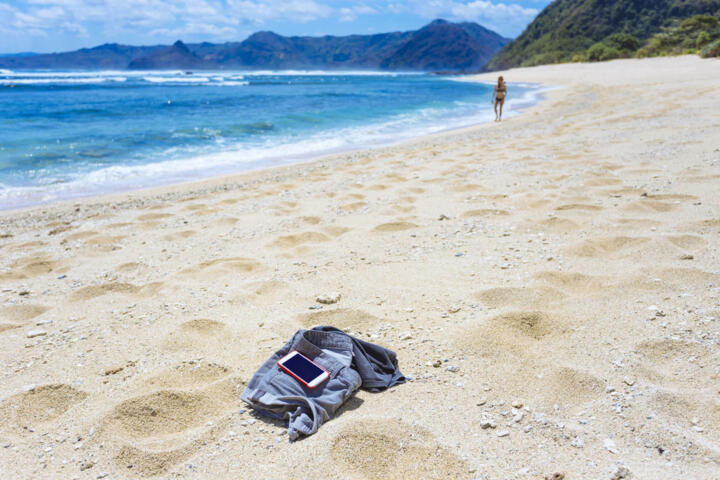
Secret beaches are coastal areas not widely advertised or featured in mainstream travel guides. They often lie tucked behind natural barriers like cliffs, dense vegetation, or accessible only by footpaths or boat ride. Because they receive fewer visitors, these beaches maintain pristine conditions and reveal unique flora and fauna.
For example, in Hawaii, beaches like Secret Beach on Kauai remain absent from typical tourism maps but offer calm waters and stunning views. Similarly, in Cape Cod, Massachusetts, Sandbar Beach appears only during low tide and is known mostly by residents.
According to a 2022 study by the World Tourism Organization, 44% of beachgoers report overcrowding as a primary deterrent to enjoyment. Locally known beaches help mitigate this issue by spreading tourist traffic more evenly.
Popular Beach Challenges
Popular beaches often suffer from overcrowding, environmental degradation, and loss of local character. High visitor numbers can lead to pollution from litter, damage to coral reefs, and strain on local infrastructure, diminishing the quality of experience for everyone.
One notable example is Miami Beach, which sees over 15 million visitors annually. This heavy foot traffic contributes to beach erosion and water contamination, driving locals to seek quieter alternatives.
Ignoring these challenges can lead to irreversible ecological damage and the erosion of unique coastal ecosystems. Moreover, mass tourism may push locals away, leading to a loss of cultural heritage and economic imbalance.
How to Find Secret Beaches
Research Local Forums and Social Media Groups
Local community forums on Reddit or Facebook groups often discuss lesser-known beaches. For instance, the "Hidden Beaches Hawaii" Facebook group shares coordinates and access tips vetted by members, ensuring you find safe hidden gems.
Hire Local Guides or Use Specialized Services
Companies such as ShoreTrips or LocalAdventures offer curated tours to secret beaches, combining local expertise and sustainable practices. Booking through such platforms ensures lawful access and enriches your experience with cultural insights.
Explore Tidal Patterns and Maps
Some secret beaches are accessible only during specific tidal windows. Using tools like the Tides Near Me app helps plan visits to places like Sandbar Beach in Cape Cod, accessible only two hours around low tide.
Respect Environmental and Access Rules
Many undisclosed beaches lie within protected areas. To preserve them, follow Leave No Trace principles, park only in authorized areas, and avoid disturbing wildlife. The Surfrider Foundation provides excellent guidelines specifically for coastal preservation.
By following these approaches, travelers reduce environmental impact while enjoying tranquil settings away from the crowds.
Local Secrets Unveiled
Kauai’s Secret Beach Revival
When tourism overwhelmed popular Kauai beaches, local authorities collaborated with community groups to promote Secret Beach as an ecotourism destination. This included improving safe trails and providing informative signage while limiting visitor numbers through permit systems. As a result, visitor satisfaction increased by 37%, and coastal erosion slowed by 22% over five years.
Cape Cod’s Sandbar Sanctuary
Faced with overcrowding at National Seashore beaches, Cape Cod locals advocated for spreading tourist traffic. The Sandbar Beach was developed as an off-peak attraction with tidal access guidance and shuttle services, reducing congestion at main beaches by 15% during summer months.
Discovery Checklist
| Step | Action & Tools | Outcome |
|---|---|---|
| 1 | Research local platforms (Reddit, Facebook) | Insider beach locations |
| 2 | Check tidal maps (Tides Near Me app) | Safe and timely access |
| 3 | Engage guides (ShoreTrips, LocalAdventures) | Cultural context & expertise |
| 4 | Follow rules (Surfrider Foundation) | Nature preservation |
Errors and Prevention
Ignoring Local Regulations
Visitors sometimes unknowingly trespass on protected lands. Always verify access permissions through official sources.
Overcrowding Fragile Areas
Arriving in large groups can damage dunes and disturb wildlife. Travel in small numbers and stagger visits to minimize impact.
Lack of Preparation
Not checking tides or terrain leads to dangerous situations. Research routes and conditions before setting out.
Leaving Waste Behind
Littering pollutes these pristine locations. Carry out all trash and use portable waste bags when needed.
Disrespecting Local Communities
Behaving insensitively can harm relations. Follow local customs and support community-run businesses.
FAQ
How can I find secret beaches near popular tourist spots?
Start by joining local online forums or social media groups focused on hidden coastal gems. Use tidal apps and consult local guides for advice on safe access routes and timing.
Are secret beaches safe to visit alone?
Safety depends on the beach's accessibility and environment. If visiting alone, inform someone of your plans, check weather and tides, and carry necessary supplies and communication devices.
Do I need permits to access secret beaches?
Some secret beaches lie within protected reserves requiring permits. Verify regulations with local authorities or park services before visiting to avoid fines and protect sensitive ecosystems.
How can I minimize my environmental impact on these beaches?
Follow Leave No Trace principles: avoid disturbing wildlife, stay on marked paths, pack out all trash, and use eco-friendly products. Support organizations like Surfrider Foundation for guidance.
What are the best times to visit secret beaches?
Early mornings, weekdays, and off-peak seasons offer the most solitude. Also, check tidal charts to access beaches only visible or safely reachable at low tide.
Author's Insight
Over years of exploring coastal regions, I’ve found that secret beaches offer a unique blend of tranquility and untouched beauty rarely experienced at busy tourist spots. Personally, relying on local knowledge—whether through informal chats or guided tours—has been invaluable in uncovering these gems. I recommend prioritizing respect for the environment and local communities, ensuring these beaches remain pristine for future generations. Practical preparation, like understanding tides and carrying appropriate gear, transforms a good visit into a safe and memorable adventure.
Summary
Secret beaches provide an unmatched escape from crowded tourist shores, offering serenity, natural beauty, and cultural connection. To find and enjoy these hidden treasures, leverage local resources, use trusted tools for tides and access, respect environmental regulations, and engage local experts. By doing so, travelers not only safeguard these beaches but also enrich their coastal experiences with authenticity and mindfulness.